
Contents:
- What Causes Static Hair: The Science Behind the Frizz
- Seasonal Patterns in Static Hair
- How Your Hair Type and Condition Affect Static
- Porosity: The Hidden Factor
- Environmental Triggers That Make Static Worse
- Low Humidity and Artificial Heat
- Friction from Everyday Materials
- Pollution and Product Buildup
- Practical Solutions: Eliminating Static at Every Stage
- Immediate Quick Fixes for Static Hair
- Daily Routine Changes That Prevent Static
- Styling Techniques That Prevent Static
- Clothing and Fabric Choices
- Environmental Humidity Control
- Product Solutions: The Budget Breakdown
- When to Suspect Underlying Hair Problems
- Frequently Asked Questions About Static Hair
- How long does it take to see improvement in static after changing my routine?
- Is anti-static spray safe to use daily?
- Can I reduce static without buying special products?
- Does eating more water help with static hair?
- Why does my static hair problem get worse in specific rooms at home?
- Moving Forward: Your Static-Free Hair Plan
About 68% of people report experiencing static hair regularly, yet most have no idea why it happens. That crackle you hear, the flyaways that make you look like you’ve stuck your finger in an electrical socket—they’re all the result of basic physics playing out on your head.
Static hair isn’t just annoying; it tells you something important about your hair’s moisture balance and the environment around you. Understanding the root cause transforms static from an unsolvable mystery into a manageable problem with clear solutions.
What Causes Static Hair: The Science Behind the Frizz
Static electricity forms when your hair loses electrons and becomes positively charged. This happens when dry air pulls moisture away from your hair strands, leaving them parched and prone to sticking together. The problem intensifies in winter when indoor heating systems can reduce humidity levels to just 20-30%, compared to the ideal 40-60% for healthy hair.
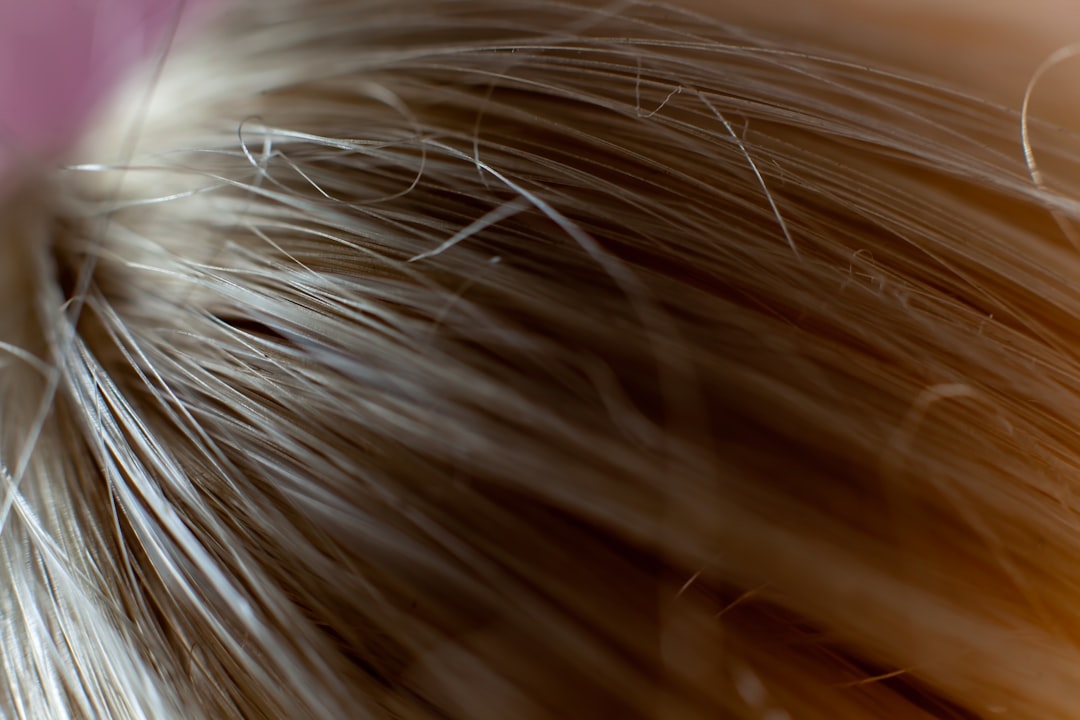
Your hair’s outer layer, called the cuticle, works like overlapping roof shingles. When moisture levels are adequate, these cuticles lay flat, reflecting light evenly. Dehydrated hair causes cuticles to stand up slightly, creating friction between strands. This friction generates static charges that repel each other, pushing hairs away from your scalp and each other—the classic flyaway effect.
Certain materials make static worse. Synthetic fabrics like polyester, acrylic, and nylon generate more static electricity than natural fibres like cotton or silk. This is why your hair behaves differently depending on what you’re wearing or what you dry it with.
Seasonal Patterns in Static Hair
Winter is the prime season for static problems. Central heating in UK homes typically operates between October and March, creating an indoor environment with humidity levels that drop to critical lows. Summer brings natural moisture from outside air, which is why your static problems likely ease during warmer months.
Autumn and spring represent transition periods where static can flare up unpredictably as weather patterns shift. Many people notice static returns sharply in September and again in late February.
How Your Hair Type and Condition Affect Static
Not all hair types experience static equally. Fine or thin hair is more prone to static because each individual strand is lighter and more easily moved by electrical charges. Curly hair typically resists static better because the natural texture creates more distance between strands, reducing the contact area where friction can build.
Damaged hair is significantly more susceptible to static. When your hair has been compromised by heat styling, chemical treatments, or excessive brushing, the cuticle layer develops cracks and gaps. These imperfections prevent moisture from being retained, leaving your hair vulnerable to dryness and static electricity.
Colour-treated hair faces higher static risk because the dyeing process opens the hair cuticle, allowing colour molecules to penetrate. Even after the colour sets, the cuticle doesn’t fully seal back to its original smoothness. This is particularly true for brunettes and black-haired individuals who often require more intense processing to achieve lift and colour saturation.
Porosity: The Hidden Factor
Hair porosity determines how easily moisture enters and exits your strands. High-porosity hair absorbs water quickly but releases it just as fast, making it more prone to static. Low-porosity hair struggles to absorb moisture initially but retains it well once it’s there.
You can test your hair’s porosity with a simple water test: take a clean strand of hair and drop it into a glass of room-temperature water. If it sinks immediately, you have high-porosity hair. If it floats, you have low-porosity hair. Understanding your hair’s porosity helps you choose the right moisture-management strategies.
Environmental Triggers That Make Static Worse
Low Humidity and Artificial Heat
The humidity problem extends beyond just dry air. Artificial heat sources in winter—radiators, fan heaters, and even laptop use—actively remove moisture from the surrounding air and from your hair. If you spend 8 hours working near a desk with heating vents above or beside you, your hair bears the cumulative effect of moisture loss.
Modern air-conditioned offices compound the problem. While summer air conditioning keeps temperatures comfortable, it also strips humidity from indoor spaces. Some office environments maintain humidity levels as low as 15-25%, creating genuinely harsh conditions for hair.
Friction from Everyday Materials
Your pillow is a significant but overlooked culprit. Cotton pillowcases create friction as your hair moves during sleep, generating static charges that linger into the morning. Synthetic pillowcases are even worse. The average person spends 7-8 hours per night with hair making contact with a pillowcase, creating plenty of opportunity for static buildup.
Wool clothing worn directly against your skin and hair creates substantial friction. A wool scarf wrapped around your neck and shoulders, or a wool jumper, transfers electrons to your hair throughout the day. Synthetic fabrics like polyester blouses and fleece jackets intensify this effect.
Even the act of brushing with synthetic-bristle brushes generates static electricity. Each stroke creates friction between the brush bristles and your hair, depositing a charge that builds as you style.
Pollution and Product Buildup
Urban environments introduce another static factor: airborne particles and pollution. Dust, vehicle emissions, and other microscopic particles settle on your hair, creating a film that interferes with moisture retention. London residents, for example, experience noticeably worse static during high-pollution episodes in winter.
Product buildup also contributes. Using too much styling product, conditioner, or leave-in treatments creates a coating that traps moisture unevenly across your hair. Some areas become overloaded with product while others remain dry, leading to inconsistent moisture levels and, paradoxically, more static.
Practical Solutions: Eliminating Static at Every Stage
Immediate Quick Fixes for Static Hair
When you’re dealing with static right now, quick fixes work. A damp hand smoothing over your hair deposits moisture that temporarily neutralises static charges. This effect lasts about 30-45 minutes before the hair dries again.
Applying a small amount of lightweight hair oil to your palms and running them over the surface of your hair creates a moisture barrier. Coconut oil, argan oil, or jojoba oil all work well. A typical application uses just 2-3 drops per session.
Static spray products offer another quick option. These work by adding moisture and sometimes a light silicone coating to your hair. Budget products range from £3-6 per bottle, premium versions from £10-15. One bottle typically lasts 4-6 weeks with regular use.
What the Pros Know: Professional hairstylists keep a small spray bottle with distilled water mixed with a single drop of hair serum. This DIY spray costs less than £1 to make and works as well as commercial static sprays. You can refill it indefinitely.
Daily Routine Changes That Prevent Static
Your shampoo and conditioner routine forms the foundation of static control. Using a moisturising shampoo and pairing it with a nourishing conditioner is essential. Apply conditioner primarily to the mid-lengths and ends of your hair where damage accumulates, rather than focusing on the scalp.
The specific products matter less than choosing ones formulated for moisture rather than clarifying or volumizing. A quality moisturising duo costs between £8-20 for a 2-month supply. Drugstore options start at £3-5 per bottle.
Deep conditioning treatments applied once weekly reduce static significantly. Leave these on for at least 10 minutes, or overnight for maximum effect. Coconut oil, avocado-based masks, or commercial deep conditioners all work. Weekly treatments cost approximately £1-3 per session if you use affordable drugstore masks.
Switch to a silk or satin pillowcase. Unlike cotton, these materials create minimal friction as your hair moves. A decent silk pillowcase costs £12-30, but lasts 2-3 years with proper care. The static reduction is noticeable within your first night of use. Some people also report that silk pillowcases reduce tangles and breakage.

Consider a microfibre hair towel for drying. Regular towels create friction and roughen the cuticle as you rub your hair dry. Microfibre towels are gentler and reduce friction-based static generation. Prices range from £8-15.
Styling Techniques That Prevent Static
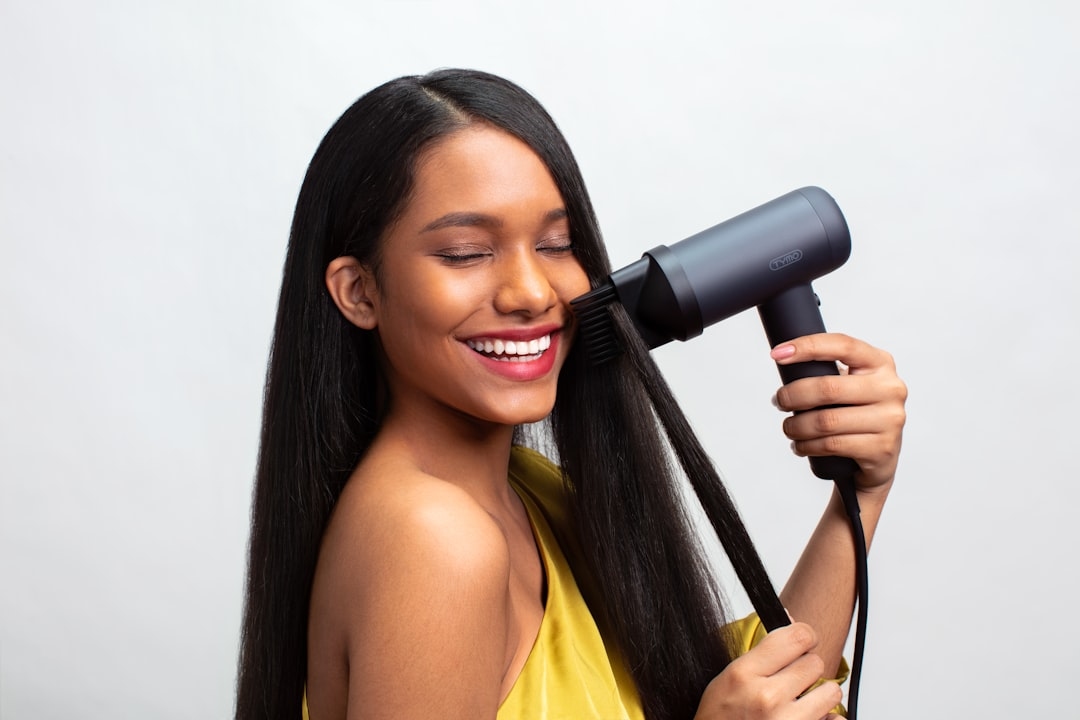
How you dry your hair dramatically affects static levels. Air drying is the gentlest option if you have time. If you use a blow dryer, use a concentrator nozzle attachment rather than the standard nozzle—this directs heat more efficiently and reduces overall drying time.
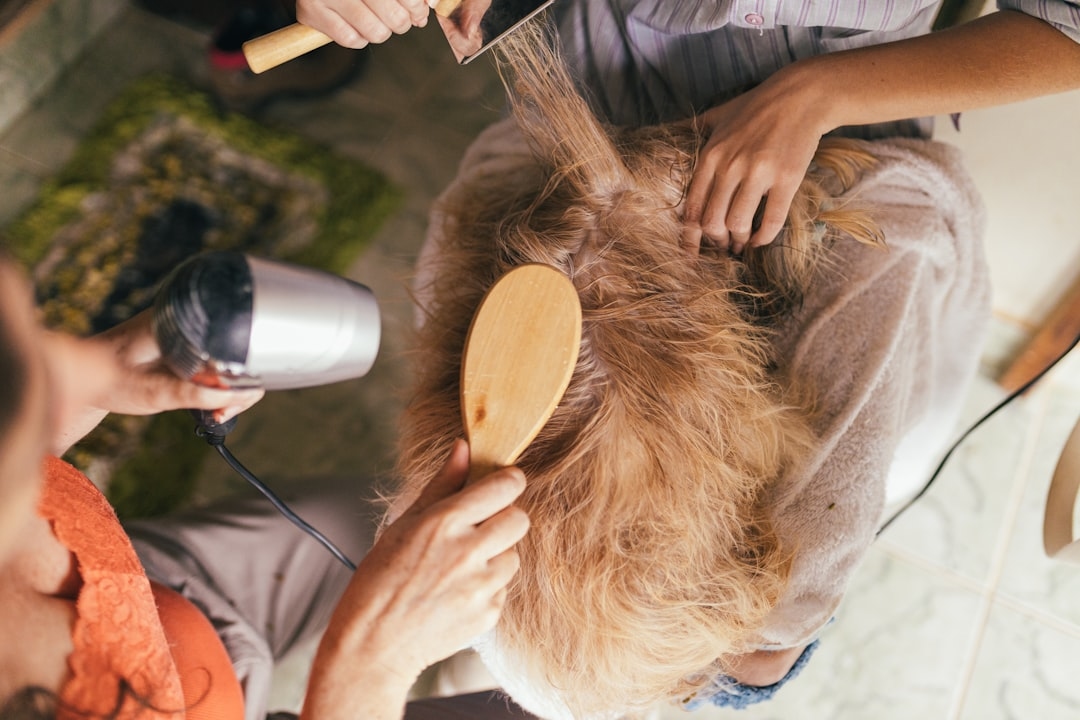
Brush your hair when it’s damp, not completely dry. Wet hair doesn’t generate static as it’s already saturated with moisture. Damp hair has enough moisture to reduce friction significantly. Once your hair is fully dry, keep brushing to a minimum. Use a wide-tooth comb rather than a fine-tooth brush to reduce friction.
Switch to a wooden or boar-bristle brush instead of synthetic. Wooden handles and natural bristles don’t generate static electricity the way plastic brushes do. A quality natural-bristle brush costs £15-40 but lasts years. Anti-static brushes with ion-releasing technology also exist (£20-50), though their effectiveness compared to natural options is debated.
Apply a light anti-frizz serum or hair oil to the very ends of your hair after styling. This creates a smooth surface that resists static. Use sparingly—too much oil makes hair look greasy. A single pump or two is typically sufficient.
Clothing and Fabric Choices
Wear natural fibre clothing against your scalp and neck. Cotton, linen, and wool (if you don’t mind the itchiness) generate less static than polyester or acrylic. When you must wear synthetic fabrics, position them away from your hair when possible.
Choose cotton hats over synthetic beanies. If you wear a wool scarf, wear it over a cotton shirt collar rather than directly against your neck and hair. These small adjustments significantly reduce daily static accumulation.
Environmental Humidity Control
Use a humidifier in your bedroom or main living space during winter months. Adding moisture to your home’s air to reach 40-50% humidity reduces static dramatically. A basic humidifier costs £25-60 and running it for 6-8 hours daily uses minimal electricity (typically less than 50p per week in electricity costs).
If you’re not ready to purchase a humidifier, simpler alternatives exist. Placing bowls of water near heating vents adds some moisture to the air. Drying laundry indoors naturally increases humidity. Boiling a kettle or running a bath adds temporary moisture spikes.
At work, if your desk sits near heating vents or under air conditioning, request to move if possible. Position your desk away from direct airflow from HVAC systems. If relocation isn’t feasible, keeping a water bottle nearby and sipping regularly helps maintain your body’s moisture levels, which slightly impacts your hair as well.
Product Solutions: The Budget Breakdown
Building an effective anti-static hair routine doesn’t require expensive products. Here’s what a comprehensive routine costs at entry level:
- Moisturising shampoo: £3-8 per 200ml bottle (lasts 4-6 weeks)
- Hydrating conditioner: £3-8 per 200ml bottle (lasts 6-8 weeks)
- Weekly deep conditioning mask: £2-5 per 200g jar (lasts 8-12 weeks)
- Hair oil or serum for styling: £5-12 per 50ml bottle (lasts 4-6 weeks)
- Anti-static spray: £3-6 per 250ml bottle (lasts 6-8 weeks)
- Silk pillowcase: £12-30 one-time cost (lasts 2-3 years)
- Microfibre towel: £8-15 one-time cost (lasts 1-2 years)
Total monthly cost for a complete routine using budget-friendly products: approximately £8-15 per month for consumables, with initial one-time investment of £30-50 for the pillowcase and towel.
Premium versions of these products exist (£15-30 per product) but don’t necessarily perform better at controlling static. The moisture content in your routine matters far more than brand prestige.
When to Suspect Underlying Hair Problems
Severe static that doesn’t improve with humidity control, moisture-focused products, and environmental changes might indicate damage that requires professional help. Excessive static combined with breakage, split ends that appear unusually high up the strand, or significant texture changes suggests your hair has been compromised.
Chemical treatments like relaxers, permanent waves, or extensive colour processing can create structural damage that increases static permanently. Some damage can’t be reversed, only managed or prevented from worsening.
If your hair suddenly becomes significantly more prone to static without any change in your routine or environment, consider whether you’ve experienced recent stress, major dietary changes, or illness. These factors affect overall hair health and can temporarily worsen static problems.
Frequently Asked Questions About Static Hair
How long does it take to see improvement in static after changing my routine?
Immediate improvements (reduction in daily static) appear within 1-3 days once you’ve adjusted humidity levels and switched to moisture-focused products. More substantial improvements in your hair’s overall condition, texture, and static resistance take 4-6 weeks as your hair regrows with better moisture management and old damaged hair is trimmed away.
Is anti-static spray safe to use daily?
Most commercial anti-static sprays are safe for daily use and formulated to avoid buildup. However, using any product daily means it accumulates over time. Weekly clarifying shampoos or monthly deep cleansing treatments prevent product buildup from creating its own static problems. If you prefer to avoid daily sprays, reserve them for high-static situations.
Can I reduce static without buying special products?
Yes. Focusing on moisture-rich daily shampoos and conditioners you already have, combined with humidity control, stops most static problems. Air drying your hair and using fabric products you likely own (cotton hats, natural pillowcases) create meaningful change without additional purchases. Even without any special products, increasing indoor humidity to 40-50% reduces static dramatically.
Does eating more water help with static hair?
While staying hydrated supports overall health, drinking water doesn’t directly hydrate your hair. Your body prioritizes delivering water to vital organs before your hair’s outermost layer. Hair hydration comes from external moisture in the air and from products you apply topically. That said, general dehydration affects hair quality, so adequate water intake (around 2 litres daily) supports healthy hair overall.
Why does my static hair problem get worse in specific rooms at home?
Different rooms have dramatically different humidity levels. Rooms with heating vents, active radiators, or situated above or near boilers tend to be much drier. Bathrooms, kitchens, and laundry rooms naturally have higher humidity. If your bedroom has worse static than your bathroom, the room’s moisture levels differ significantly. Observing which rooms feel drier helps you identify where humidity control would make the biggest difference.
Moving Forward: Your Static-Free Hair Plan
Understanding why your hair goes static transforms how you approach the problem. It’s not mysterious or unfixable—it’s the result of moisture imbalance combined with friction and electricity. Addressing any one of these factors creates improvement.
Start with humidity control and moisture-focused products. These two changes alone solve static problems for most people. Add environmental modifications like silk pillowcases and natural-bristle brushes for additional support. Within a month, you’ll notice your hair stays smoother, responds better to styling, and spends far less time resembling a static-charged porcupine.
The most important action is starting somewhere. Choose one change to implement this week—whether that’s purchasing a humidifier, switching to a silk pillowcase, or adjusting your conditioner routine. Small adjustments compound. Your hair will thank you with noticeably less static, improved shine, and easier management throughout the year.


Add Comment