Contents:
- Understanding Hair Type Classification Systems
- Hair Pattern Types: From Straight to Coily
- Type 1: Straight Hair
- Type 2: Wavy Hair
- Type 3: Curly Hair
- Type 4: Coily and Kinky Hair
- Understanding Hair Thickness and Diameter
- Hair Porosity: How Your Hair Absorbs and Retains Moisture
- Low Porosity Hair
- Normal Porosity Hair
- High Porosity Hair
- Testing Your Hair’s Porosity
- Identifying Your Hair Type at Home
- Preparation and Observation
- Strand Testing
- Curl or Wave Pattern Identification
- Sustainability and Ethical Considerations in Hair Care
- Building Your Hair Care Routine Based on Type
- Common Mistakes When Identifying Your Hair Type
- Frequently Asked Questions
- Can your hair type change?
- What if I have different hair types on different parts of my head?
- How do I know if I’m using the wrong products for my hair type?
- Is the 1A-4C typing system the only way to classify hair?
- Can I determine my true hair type if I’ve been using heat styling for years?
- What’s the difference between hair type and hair texture?
- Getting Started With Your Hair Type Knowledge
Have you ever stood in a hair care aisle feeling completely baffled by products claiming to be perfect for “your hair type,” when you weren’t entirely sure what your hair type actually was? You’re not alone. Understanding your hair type is the foundation of any effective hair care routine, yet it’s surprisingly difficult to pin down without proper guidance.
Your hair type influences everything from how products will perform on your strands to which styling techniques work best. Getting this classification right means you can finally stop wasting money on products that don’t suit you and start building a routine that actually works. This guide breaks down the science behind hair classification and gives you practical ways to identify exactly where your hair falls on the spectrum.
Understanding Hair Type Classification Systems
Hair typing isn’t a single system—it’s actually a combination of measurements that work together. The most widely used framework evaluates hair along three main dimensions: pattern, thickness, and porosity. Knowing all three gives you a complete picture, rather than just looking at whether your hair is curly or straight.
The pattern classification system ranges from Type 1 to Type 4, with subdivisions A, B, and C for greater accuracy. However, many people discover they’re actually a combination of types across different sections of their head. Your crown might be Type 2C while your underlayers are Type 3A. This is completely normal and actually quite common, especially for people of mixed heritage or with naturally textured hair.
Beyond pattern, thickness and porosity dramatically affect how your hair behaves. A thick, low-porosity strand responds completely differently to styling than a fine, high-porosity strand, even if both have the same curl pattern. This is why a product your friend raves about might feel greasy or ineffective on your hair.
Hair Pattern Types: From Straight to Coily
Type 1: Straight Hair
Type 1 hair has no natural curl or wave pattern. It grows straight from the scalp and lies relatively flat against the head. Type 1A is very fine and thin with no texture whatsoever. Type 1B has more volume and texture but remains essentially straight. Type 1C is the thickest and most substantial of the straight types, often with natural shine that makes it appear sleek and polished.
Straight hair is often considered “low maintenance” because it doesn’t require specific curl-defining products. However, straight hair can struggle with flatness, greasiness at the roots, and lack of texture. Many people with straight hair actually want more volume and movement, which requires understanding how to add texture rather than work with existing curls.
Type 2: Wavy Hair
Wavy hair has a gentle S-shaped pattern when left to dry naturally. You might notice this pattern more when your hair is wet or when you scrunch it. Type 2A is the loosest wave, almost appearing straight until you look closely. Type 2B has a more defined wave pattern that’s visible even when dry. Type 2C waves are quite pronounced and often show curling at the ends, sitting on the border between waves and curls.
Wavy hair benefits from products that define the wave pattern without weighing it down. Many people with wavy hair get frustrated because their waves seem inconsistent—sometimes beautiful and defined, other times frizzy or flat. This often comes down to product choice and styling technique rather than the hair itself being “bad.”
Type 3: Curly Hair
Type 3 hair forms distinct, springy curls that range from loose loops to tight coils. Type 3A curls are larger, more relaxed spirals. Type 3B curls are medium-sized and tighter. Type 3C curls are very tight, small, and compact. Curly hair typically has more volume naturally and benefits from moisture-rich products that enhance rather than fight the curl pattern.
Curly hair often gets frizz and can appear larger than people prefer, but with the right products and techniques, curls can look incredibly defined and healthy. The natural texture also makes curly hair great for protective styling and creating interesting shapes without heat tools.
Type 4: Coily and Kinky Hair
Type 4 hair has very tight, small coils or a kinky texture. Type 4A coils are tightly coiled and springy. Type 4B has a more Z-shaped pattern rather than round coils. Type 4C has very tight, wiry texture that can appear almost fuzzy. This hair type typically needs significant moisture and benefits from specific techniques designed for textured hair.
Type 4 hair has unique strengths, including incredible versatility for styling and beautiful natural volume. However, it requires consistent moisture management and protective styling practices to maintain length and health. Many products marketed for “curly hair” actually don’t work well on Type 4 textures, which is why seeking out products specifically formulated for textured hair matters.
Understanding Hair Thickness and Diameter
Thickness refers to the actual diameter of individual hair strands, measured in micrometers. This is completely separate from whether your hair is curly or straight. You can have thick, coarse curly hair or fine, delicate curly hair. Both are Type 3 curls but behave very differently in practice.
Fine hair has a diameter below 50 micrometers. Fine hair can feel delicate and breaks more easily, but it’s naturally more flexible and often has more sheen. Fine hair typically needs lightweight products and can be weighed down by heavy oils or thick conditioners. Interestingly, people with fine hair often have more individual strands on their head, giving them the potential for volume despite the delicate texture of each strand.
Medium hair ranges from 50 to 100 micrometers and represents the typical category most commercial hair products are formulated for. Medium-thickness hair is versatile and tends to hold styles well while still having natural movement.
Coarse or thick hair has a diameter above 100 micrometers. This type of hair is strong and resilient but can appear dull because light doesn’t reflect off the thicker cuticle layer as easily. Coarse hair usually needs richer, more intensive products and often benefits from deep conditioning treatments. Despite being stronger, thick hair can actually be more prone to breakage if pulled too tightly during styling, especially when the hair is wet.
You can do a simple thickness test at home. Take a single strand of hair and place it on a white piece of paper. If you can barely see the strand, you have fine hair. If it’s clearly visible but still thin-looking, you have medium hair. If the strand appears quite substantial and almost rope-like, you have coarse hair.
Hair Porosity: How Your Hair Absorbs and Retains Moisture
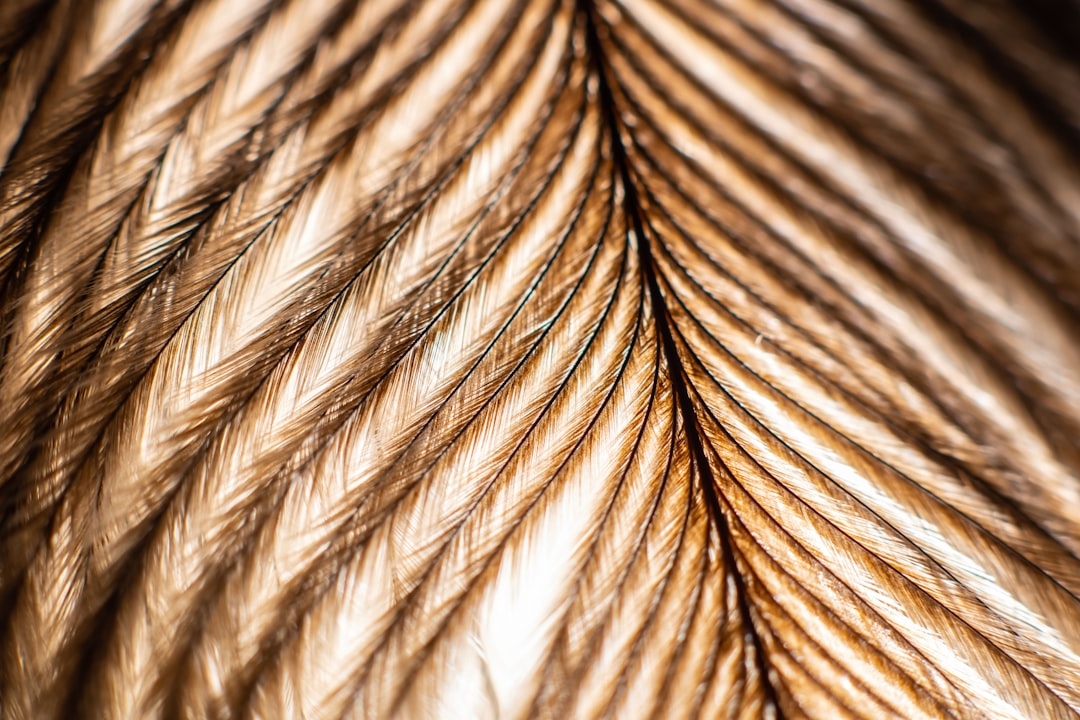
Porosity might be the most misunderstood element of hair typing, yet it’s absolutely crucial for choosing effective products. Porosity describes how easily water and products can pass through your hair’s cuticle layer. Think of your hair cuticles like roof tiles—if they’re flat and tightly overlapped, water runs off (low porosity). If they’re raised and gaping, water soaks through (high porosity).
Low Porosity Hair
Low porosity hair has tightly sealed cuticles that make it difficult for moisture to penetrate. This sounds like an advantage, but it means moisture can also get trapped and make hair feel heavy or greasy quickly. Low porosity hair often takes longer to dry and tends to repel water—you might notice water sitting on the surface of your wet hair rather than being absorbed.
Products formulated for high porosity hair often won’t work on low porosity hair because they can’t penetrate the cuticle layer effectively. Instead, low porosity hair responds better to lightweight, humectant-based products that draw moisture from the environment. Protein products can sometimes be counterproductive on low porosity hair since it’s already good at retaining protein.
Heat can actually help low porosity hair absorb products better by temporarily opening the cuticles. This is why low porosity hair often looks and feels better after blow-drying or using a heat styling tool, even though heat is generally considered damaging.
Normal Porosity Hair
Normal or medium porosity hair has a balanced cuticle structure that absorbs and retains moisture effectively without being prone to damage. This hair type is considered the most manageable because it works well with a wide range of products. Most commercial hair care products are formulated with normal porosity hair in mind.
High Porosity Hair
High porosity hair has raised, gaping cuticles that allow moisture to pass through easily. This sounds ideal, but the problem is that moisture escapes just as quickly. High porosity hair tends to look frizzy, feels dry despite being wet, and can appear dull because light doesn’t reflect evenly. High porosity hair often results from previous damage (colour-treating, chemical straightening, excessive heat styling), but some people are born with naturally high porosity hair.
High porosity hair needs heavier, protein-rich products to seal moisture in and repair the damaged cuticle layer. Oils and leave-in conditioners are particularly helpful for high porosity hair. The goal is essentially to smooth down the raised cuticles and keep water from escaping immediately after washing.
Testing Your Hair’s Porosity
The float test is simple and often reliable. After shampooing and drying your hair, take a clean strand and place it in a glass of room-temperature water. If it sinks immediately, you have high porosity hair. If it floats, you have low porosity hair. If it takes a few minutes to sink or floats partway down, you likely have normal porosity.
Another method is the slip test. Take a strand of wet hair and slide your fingers from the tip up toward the root. If you feel significant resistance (your finger catches on the cuticles), you have high porosity. If the strand feels smooth, you likely have low porosity.
Identifying Your Hair Type at Home
Preparation and Observation
Start by observing your hair in its natural state, without any styling products or heat tools. Wash your hair with a basic shampoo (not a deep conditioning shampoo), then let it air dry completely without touching it. This usually takes 24 hours for most people. Don’t use a blow dryer, straightener, or curling iron—you need to see your natural texture.
Take photos from multiple angles in natural daylight. The variation in lighting will help you see the texture more clearly. Focus on different sections: the crown, sides, back, and underneath. Many people have mixed hair types, so documenting each section helps you be more precise.
Strand Testing
Take a single strand of hair—preferably from near the root—and examine it closely under good lighting. Look at the width and overall thickness. Then perform the slip test described above. Next, look at your wet hair and note how it behaves. Does it curl into ringlets? Form loose waves? Stay completely straight?
The strand test takes about 5 minutes but gives you reliable information about thickness and porosity. Combining this with visual observation of your air-dried hair gives you a fairly accurate picture of your type.
Curl or Wave Pattern Identification
When your hair is air-dried without products, look at the natural pattern. If your hair falls completely straight, you’re Type 1. If it has an S-shaped wave pattern, you’re Type 2. If it forms distinct loops or spirals, you’re Type 3. If it has very tight coils or a kinky texture, you’re Type 4. Then identify whether you’re the A, B, or C variation within that type based on how loose or tight the pattern is.
Take a section about 1 inch wide and look at how many complete curls or waves appear in a 2-inch stretch of hair. Looser patterns (more space, fewer loops) are A variations. Medium patterns are B. Very tight, compact patterns are C.
Sustainability and Ethical Considerations in Hair Care
Understanding your actual hair type helps reduce waste in your beauty routine. When you stop buying products that don’t work for your hair, you’re not just saving money—you’re reducing unnecessary plastic packaging ending up in landfills. The average person discards 1.5 bottles of unused hair products every year, according to recent surveys. By choosing products tailored to your specific hair type, you can cut this waste dramatically.
Additionally, many hair care products contain ingredients that build up on hair over time, potentially damaging both your strands and the environment when they wash down the drain. Understanding your hair type helps you choose cleaner, more sustainable products that work with your natural hair rather than against it. Low-waste, refillable hair care options are increasingly available in the UK, and they pair well with knowing exactly what your hair needs.
Consider seeking out brands that use sustainable packaging and ethical sourcing for ingredients. Many smaller UK brands now focus on producing products for specific hair types rather than the one-size-fits-all approach of traditional beauty companies. This specialization often means better results and less product waste.
Building Your Hair Care Routine Based on Type
Once you know your hair type, you can finally build a routine that actually works. Straight hair typically needs volumising shampoos and lightweight conditioners to avoid flatness. Wavy hair benefits from curl-defining products that enhance rather than fight the natural pattern. Curly hair usually needs moisture-rich formulas and products containing hydrating ingredients like glycerin or aloe. Coily hair typically requires heavy, nourishing products with strong hold and definition capabilities.
Your thickness and porosity refine these choices further. Fine-haired people should avoid heavy oils and creams that sit on the hair surface. Coarse-haired people often need intensive moisture treatments. Low porosity hair responds well to lighter products with good slip (so they can penetrate). High porosity hair needs heavier products with proteins and oils to seal and repair.
Rather than following what influencers or friends recommend, you now have the framework to evaluate whether a product makes sense for your specific combination of type, thickness, and porosity. This knowledge is genuinely empowering and saves considerable money in the long run.
Common Mistakes When Identifying Your Hair Type
Many people misidentify their hair type because they’ve spent years using products that don’t match their natural pattern. If you’ve been chemically straightening your hair, you might not actually know if you have wavy or curly hair underneath. Similarly, previous colour treatments affect porosity, making it temporarily higher than your natural level.
Another common mistake is confusing density (how many hairs you have on your head) with thickness (the diameter of individual strands). You can have thick, coarse strands in lower density, or fine strands in very high density. These require different care approaches even though they might look similar at first glance.
People also often judge porosity incorrectly based on how their hair feels after using the wrong products. If you’ve been using heavy oils on fine, low porosity hair, your hair feels greasy and limp. Switch to appropriate products and you’ll discover your hair naturally has better texture and movement. Don’t judge porosity based on how damaged or product-laden your hair currently is—judge it based on how your natural, freshly washed hair behaves.
Frequently Asked Questions
Can your hair type change?
Your natural hair type remains the same throughout your life, determined by genetics and hair follicle shape. However, your hair’s behaviour can change due to damage, hormones, age, or chemical treatments. If you colour-treat your hair or use heat styling regularly, you might damage the cuticle layer and increase porosity temporarily. During puberty or pregnancy, hormonal changes can affect hair texture and growth patterns. These changes aren’t your “true” hair type changing—they’re your hair being altered by external factors. When you grow out the damaged sections, you’ll see your natural hair type again.
What if I have different hair types on different parts of my head?
This is completely normal, especially if you have shoulder-length hair or longer. Hair nearest your scalp (the newest growth) is your truest natural type. Hair near the ends has experienced more environmental exposure and damage, so it might appear to be a different type. Additionally, genetics can create genuine variation—your crown might be straight while your underneath layers are wavy. Document each section separately and care for them accordingly. Some people find they need two slightly different routines for different sections of their head, and that’s perfectly fine.
How do I know if I’m using the wrong products for my hair type?
Signs include persistent frizz, hair feeling greasy or weighed down even after shampooing, difficulty styling, unusual breakage, or your curls (if you have them) appearing undefined. You might also notice your hair dries slowly, or conversely, dries too quickly and becomes frizzy. Product buildup—where your hair becomes dull and sticky despite being freshly washed—also suggests the products aren’t right for your type. Keep a simple log: note which products you used and how your hair responded. After a few weeks, patterns become obvious.
Is the 1A-4C typing system the only way to classify hair?
It’s the most widely used system, but it’s not perfect. Some people prefer the LOIS system, which evaluates hair on texture, curl pattern, density, and porosity separately. Others use Andre Walker’s system (the original developer of the 1-4 classification) which divides Type 3 and 4 differently. The 1A-4C system is useful because it’s widely understood and helps you communicate about your hair type with stylists and when shopping. However, remember it’s a framework, not a rigid box. If your hair falls between two categories, that’s honest and common.
Can I determine my true hair type if I’ve been using heat styling for years?
Possibly, but it takes time. Commit to no heat styling for at least 4-6 weeks, using products appropriate for your presumed type based on visual observation alone. After this period, your hair will show more of its natural pattern and texture. You might discover you’re curlier than you thought, or that what you assumed was coarse hair is actually fine and damaged. Document this natural hair period with photos. If you return to heat styling afterward, at least you’ll know your true baseline.
What’s the difference between hair type and hair texture?
Hair type typically refers to pattern (straight, wavy, curly, coily) plus thickness. Hair texture is sometimes used interchangeably but technically refers to how the hair feels—smooth, rough, coarse, silky. This depends on cuticle condition. A strand of high porosity, damaged hair might feel rough and frizzy, while that same person’s freshly grown-in natural hair (same type but undamaged) feels smooth and shiny. Texture can change with product use and care, while type cannot.
Getting Started With Your Hair Type Knowledge
Now that you understand what determines your hair type and how to identify it, the next step is simple. Take an afternoon to observe your hair in its natural state. Run the simple tests described here. Document what you find. Then use this information to guide your next product purchase instead of relying on packaging claims or what worked for someone else.
Start with a basic routine: a gentle shampoo, a conditioner matched to your porosity level, and one styling product suited to your pattern type. Use these consistently for at least two weeks before adding anything else. You’ll likely notice improvements in how your hair looks and feels. From there, you can gradually refine your routine based on what actually works, rather than what marketing tells you should work.
Your hair is unique. Understanding your specific type is the key to finally having a routine that produces results. The products are out there—you just need to know what to look for.


Add Comment