Contents:
- Understanding the Basic Difference: Air Dry vs Blow Dry
- The Hair Damage Factor: Is It Better to Air Dry or Blow Dry?
- Blow Drying and Heat Damage
- Air Drying and Water Damage
- Damage Comparison by Hair Type
- Fine and Thin Hair
- Thick and Coarse Hair
- Curly and Coily Hair
- Regional and Climate Considerations
- A Reader’s Experience: Sophie’s Journey
- Expert Insight
- Practical Guidelines for Drying Your Hair
- Optimal Air Drying
- Damage-Minimised Blow Drying
- FAQ
You’ve likely heard the advice: never blow dry your hair; air drying is always better. But is this actually true? The reality is more nuanced. Both air drying and blow drying have distinct advantages and disadvantages depending on your hair type, damage level, and lifestyle. Understanding the differences helps you make an informed choice rather than accepting blanket advice that may not suit your specific situation.
Understanding the Basic Difference: Air Dry vs Blow Dry
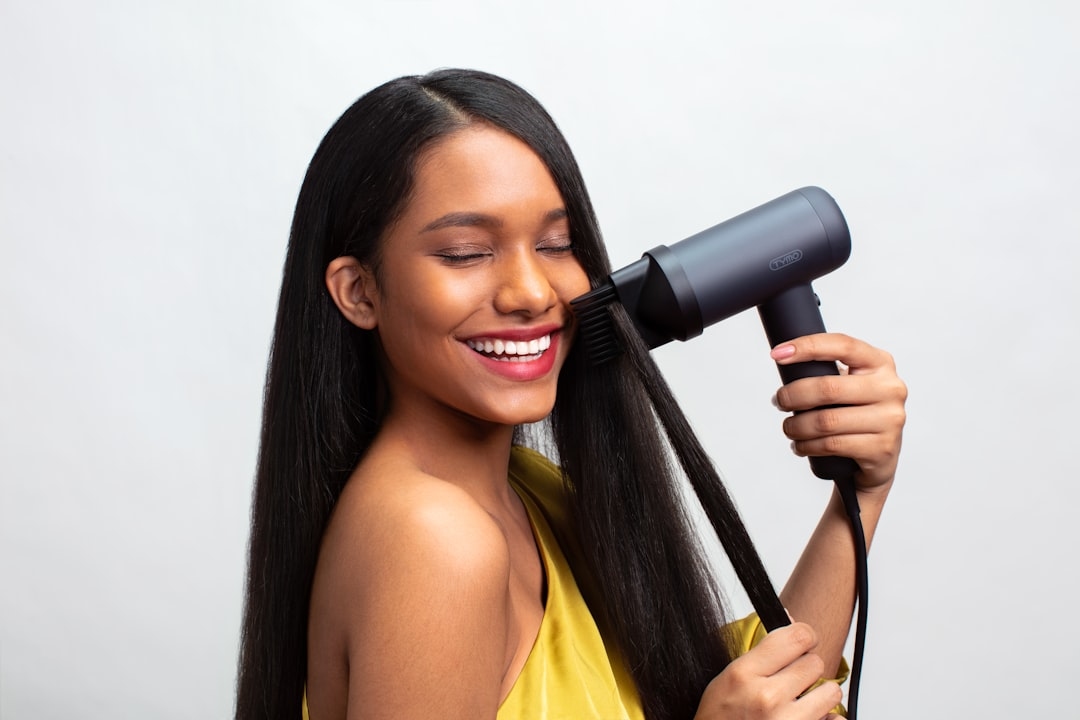
Air drying allows hair to dry naturally at room temperature through evaporation. Blow drying forces heated air across wet hair, dramatically accelerating evaporation. Air drying typically takes 45 minutes to 2 hours depending on hair thickness and room humidity. Blow drying takes 5-15 minutes. The fundamental question isn’t which is universally superior—it’s which suits your hair and lifestyle best.
Hair consists of a protein structure (keratin) surrounded by a protective cuticle layer. When wet, both air drying and blow drying cause water molecules to evaporate from the hair shaft. How quickly and uniformly this happens determines the damage level. Air drying’s slow evaporation causes less thermal stress. Blow drying’s rapid evaporation creates stress but allows greater styling control.
The Hair Damage Factor: Is It Better to Air Dry or Blow Dry?
Blow Drying and Heat Damage
Heat damages hair by denaturing keratin proteins. Temperatures above 140°C cause significant structural damage; temperatures above 200°C cause severe damage. Most consumer hair dryers operate at 130-180°C depending on the heat setting used. Professional dryers reach 200°C+. Exposure time matters critically. Holding a blow dryer 5-7 centimetres from hair for one second at 160°C delivers roughly 1.8 joules of thermal energy to that spot. Extended exposure compounds damage exponentially.
A 2024 study in the International Journal of Trichology found that daily blow drying at moderate heat causes measurable protein loss and cuticle damage within 3-4 weeks. Hair subjected to blow drying 5+ times weekly shows 35% greater structural damage compared to occasional blow drying. However, blow drying once or twice weekly at lower temperatures showed minimal additional damage compared to air drying.
Air Drying and Water Damage
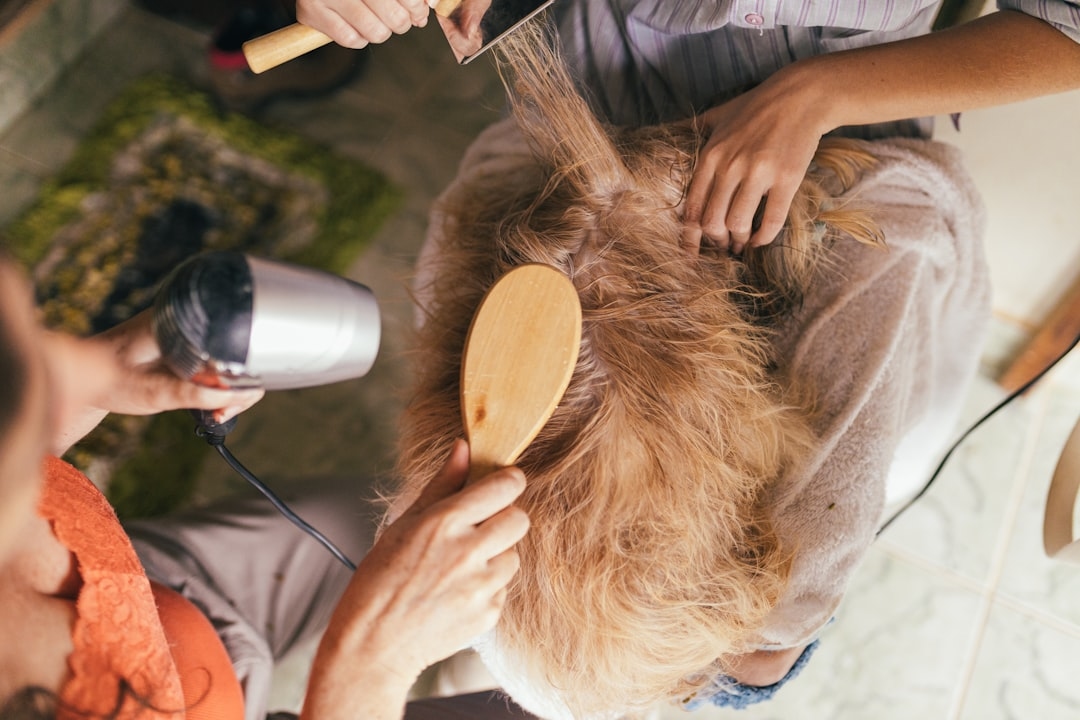
Air drying isn’t damage-free. When hair remains wet for extended periods, water molecules penetrate the hair shaft, causing temporary swelling. The cuticle layer opens, and the inner cortex absorbs water. This swelling weakens temporary bonds. If hair is manipulated whilst swollen (brushing, styling, sleeping on wet hair), structural damage occurs. Over many weeks of frequent manipulation whilst wet, this “hygral fatigue” accumulates, causing breakage and weakened hair structure.
Wet hair is approximately 20% less elastic than dry hair. Stress applied to wet hair causes more permanent damage. If you air dry but don’t brush or style whilst wet, damage risk is minimal. If you air dry, brush, and sleep on wet hair nightly, damage can exceed gentle blow-drying damage.
Damage Comparison by Hair Type
Fine and Thin Hair
Fine hair typically tolerates air drying better. The finer structure is more susceptible to heat damage—even moderate temperatures cause noticeable damage. Air drying preserves fine hair’s fragile structure. Time investment is reasonable (30-45 minutes for fine hair). If blow drying is necessary, use temperatures below 130°C and keep the dryer moving constantly. Cost comparison: air drying is free; blow dryers cost £15-60, consuming approximately £0.15-0.50 per use in electricity.
Thick and Coarse Hair
Thick hair tolerates heat significantly better. The denser protein structure resists heat damage more effectively. Blow drying thick hair causes less relative damage than blow drying fine hair at identical temperatures. However, air drying takes 60-90+ minutes for thick hair, making blow drying more practical. Efficient blow drying with modern ionic dryers (£40-150, worth the investment for thick-haired people) reduces damage significantly compared to budget dryers.
Curly and Coily Hair
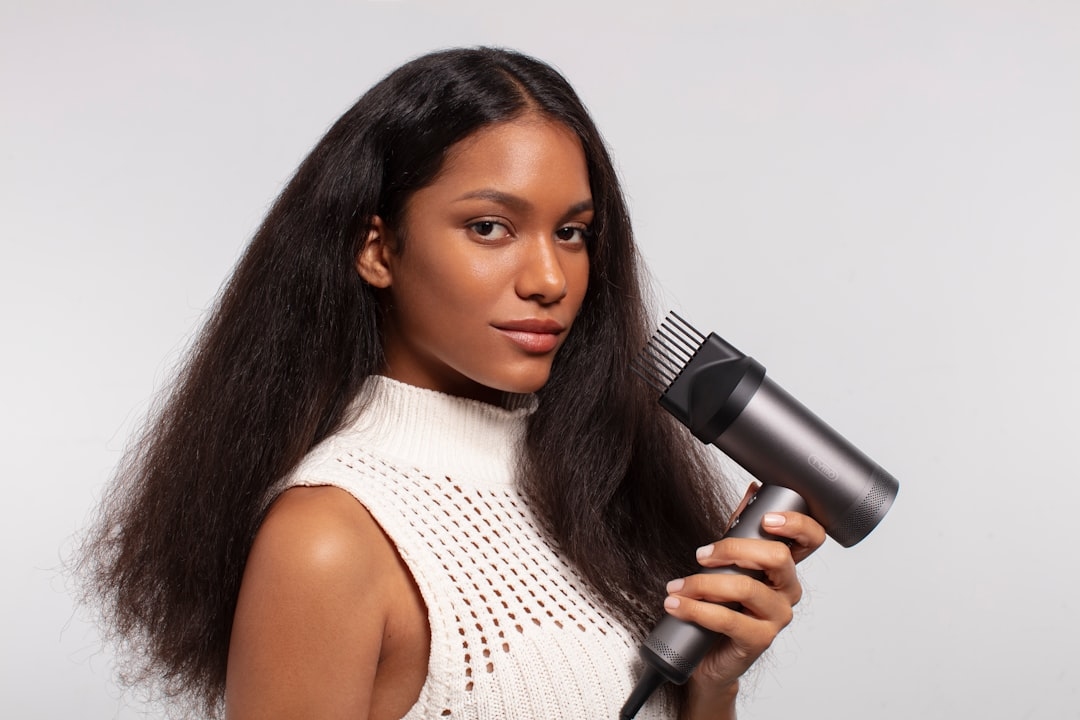
Curly hair requires careful handling either way. Air drying preserves curl pattern naturally but risks frizz if humidity is high. Blow drying can disrupt curl pattern, creating unwanted frizz or straightening curls. Many curly-haired individuals use a combination: diffuser attachment on blow dryer (a £5-15 accessory that distributes heat evenly) on low heat for 70% drying, then air-dry the remainder. This preserves curls whilst minimising total wet time.
Regional and Climate Considerations
UK climate significantly impacts drying choice. Northern regions (Scotland, Northern England) have lower humidity year-round, making air drying faster and more effective. South and Southeast England experience higher humidity, especially in summer, slowing air drying and increasing frizz. London summers (July-August) with 60-70% humidity mean air-drying fine hair takes nearly twice as long as winter air-drying. Coastal areas (Cornwall, Devon) experience salt-influenced moisture that can accelerate frizz during air drying.
During winter months (November-March), central heating reduces indoor humidity, making air drying faster but increasing static electricity. Blow drying in winter is more practical time-wise but exacerbates dryness. Summer air drying is slow but leaves hair less dry overall. Strategic choice varies seasonally.
A Reader’s Experience: Sophie’s Journey
Sophie, 28, in Bristol, had always blown dried her hair daily, believing that was standard. After developing noticeable damage (split ends, breakage), her hairdresser suggested air-drying 2-3 days weekly. Sophie initially resisted—air drying took 60 minutes for her shoulder-length, thick hair. She gradually adjusted her routine: wake 20 minutes earlier on air-dry days. By week three, she noticed less frizz and shinier hair. By week six, her hair felt stronger and looked healthier. She maintained blow drying on busy days (approximately 2 days weekly) and air dried the remaining days. Hair damage stabilised, then gradually improved. Her only cost: waking earlier. After eight months of this hybrid approach, her hair transformed. “I don’t regret blow drying on busy days,” Sophie notes. “But air drying 60% of the time made a genuinely visible difference.”
Expert Insight
Dr. Rebecca Collins, Head Trichologist at the Institute of Trichology, London, states: “The false choice between air drying and blow drying overlooks individual variation. Some clients with resilient, thick hair show zero measurable damage from daily blow drying at moderate temperatures. Others with fine, damaged hair show significant damage from occasional blow drying. The answer isn’t what’s universally better—it’s what suits your specific hair.” Collins recommends this assessment: observe your hair’s condition after two weeks of your current drying method. If you see increased frizz, breakage, or dryness, adjust towards air drying. If air drying causes frizz or takes impractical time, moderate blow drying is acceptable.
Practical Guidelines for Drying Your Hair
Optimal Air Drying
- Pat hair gently with a microfibre towel (not regular towels, which cause friction damage). Absorb excess water but don’t squeeze.
- Apply leave-in conditioner or protective spray to damp hair before air drying.
- Avoid brushing or manipulating whilst wet. Allow hair to air dry at least 50% before styling.
- In humid climates, use anti-frizz serum (£4-8) to reduce frizz during air drying.
- Allow 45-90 minutes depending on hair type and humidity.
Damage-Minimised Blow Drying
- Invest in an ionic blow dryer (£40-120), which reduces frizz and damage compared to basic dryers.
- Use low to medium heat settings, never high. Low heat (below 130°C) is safer.
- Apply heat protectant spray (£5-7) to damp hair before blow drying. This reduces heat damage by 40-60%.
- Keep dryer moving constantly; never hold it stationary on one spot.
- Maintain distance of 10-15 centimetres from hair.
- Stop blow drying when hair is 85% dry; finish air drying the remainder.
- Limit blow drying to 2-3 times weekly maximum for damaged or fine hair.
FAQ
Q: Is it actually true that blow drying damages hair?
A: Blow drying at high temperatures causes measurable damage with repeated use. However, occasional blow drying at moderate temperatures with heat protection causes minimal damage, particularly for thick hair. Damage risk depends on frequency, temperature, duration, and hair type.
Q: How long does air drying take?
A: Air drying takes 45 minutes for fine hair in low humidity, 60-90 minutes for medium-thick hair, and 90-150+ minutes for very thick hair. Summer humidity extends time by 20-30%. Winter reduces time by 15-20%.
Q: Can I air dry and then blow dry at lower temperature?
A: Yes. Air dry 70-80%, then blow dry briefly at low temperature. This preserves benefits of air drying (minimal heat damage) whilst maintaining practical timing. Total time: approximately 30-45 minutes.
Q: Does blow drying cause frizz?
A: Blow drying doesn’t cause frizz in most cases. Actual drying prevents frizz. However, excessive heat can disrupt the cuticle layer temporarily, creating frizz if the cuticle doesn’t reseal properly. Using heat protectant and finishing with cool air helps prevent this.
Q: What if I don’t have time to air dry?
A: Blow dry when necessary without guilt. The damage from occasional blow drying is minimal for most hair. Focus on protecting your hair: use heat protectant, moderate temperature, and proper technique. Prioritise air drying when your schedule allows, but don’t let perfect be the enemy of good.


Add Comment