Contents:
- Normal vs. Excessive Hair Shedding
- What’s Normal
- What’s Excessive
- The Shed Count Test
- Most Common Causes of Excessive Hair Shedding
- Nutritional Deficiencies
- Telogen Effluvium (Stress-Induced Shedding)
- Hormonal Changes
- Protein Deficiency
- Medication Side Effects
- Illness or Infection
- Hair Care Practices
- Identifying Your Shedding Cause
- Timing Clues
- Pattern Clues
- Associated Symptoms
- Actionable Solutions by Cause
- For Nutritional Deficiency
- For Stress-Induced Shedding
- For Postpartum Shedding
- For Hair Care-Related Shedding
- When to See Your GP
- FAQ: Hair Shedding Questions
- Is all excessive shedding permanent hair loss?
- Can vitamins stop hair shedding?
- How long does shedding recovery take?
- Should I take biotin for shedding if not deficient?
- Your Action Plan
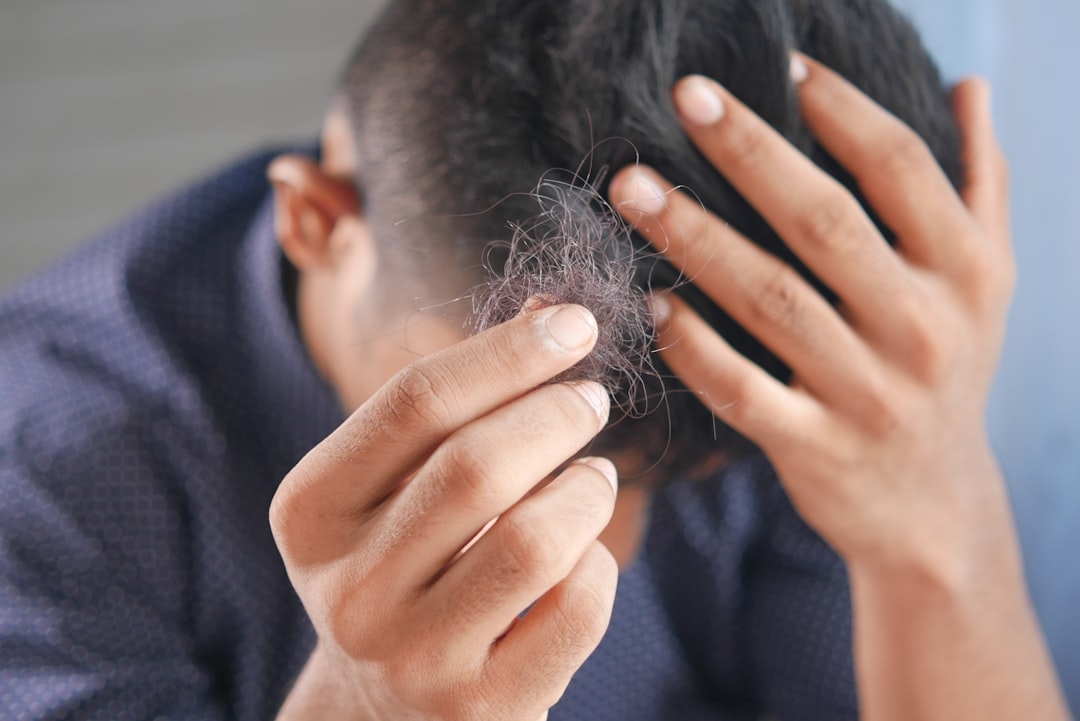
You’re noticing more hair than usual in your brush, shower, and pillow. Some shedding is normal—you naturally lose hair daily. But when does normal become excessive? This distinction matters because addressing excess shedding early prevents significant hair loss. Understanding what triggers shedding helps you pinpoint causes and find solutions.
Normal vs. Excessive Hair Shedding
What’s Normal
Humans naturally shed 50-100 hairs daily (on average 100,000 hairs on the scalp, with roughly 85-90% in growth phase at any time). This is imperceptible for most people but becomes noticeable after washing or brushing when shed hairs collect visibly.
What’s Excessive
More than 150-200 hairs daily is considered excess shedding, particularly if sustained over weeks. You’ll notice handfuls in the shower, clumps on your pillow, or significant hair in your brush after gentle combing. This level warrants investigation.
The Shed Count Test
Wash your hair as usual and count hairs down the drain (approximating if needed). If 150+ hairs appear, excessive shedding is likely. Repeat 2-3 days later; consistency confirms diagnosis. Alternatively, gently pull your hair and count strands caught—more than 5-10 per gentle pull suggests excess shedding.
Most Common Causes of Excessive Hair Shedding
Nutritional Deficiencies
Deficiency in iron, zinc, vitamin B12, or folic acid disrupts hair growth cycles, pushing hair prematurely into shedding phase. This accounts for approximately 30-40% of excessive shedding in women. Symptoms include fatigue, weakness, or pale complexion alongside hair loss.
Solution: Request blood work from your GP testing iron (ferritin), B12, and folate. If deficient, supplementation typically stops excess shedding within 2-4 weeks.
Telogen Effluvium (Stress-Induced Shedding)
Physical or emotional stress pushes large numbers of hair follicles simultaneously into telogen (shedding phase). This is temporary and reversible. Common triggers: job loss, divorce, bereavement, illness, surgery, or significant life changes.
Timeline: Shedding begins 4-12 weeks after stressor and lasts 2-3 months typically. It’s distressing but self-limited—hair regrows naturally once stress resolves.
Solution: Address underlying stress through exercise, sleep, meditation, or therapy. No supplements will stop stress-induced shedding—resolving the stress does.
Hormonal Changes
Postpartum hair loss is classic telogen effluvium triggered by hormonal shifts after pregnancy. Thyroid disorder (hypo- or hyperthyroidism), PCOS, and hormonal contraceptive changes also trigger shedding.
Timeline: Postpartum shedding typically peaks 3-4 months after birth and resolves within 6-12 months naturally.
Solution: If postpartum, reassurance and patience are primary treatments. If suspect thyroid or hormonal disorder, request testing. Addressing underlying hormonal issues stops shedding.
Protein Deficiency
Hair is 95% protein (keratin). Severely inadequate protein intake (rare in developed countries but possible with restrictive dieting) triggers shedding. Symptoms: fatigue, muscle weakness, oedema alongside hair loss.
Solution: Increase protein intake to 0.8-1g per kilogram body weight daily. Shedding typically stops within 4-8 weeks once protein intake normalises.
Medication Side Effects
Certain medications trigger telogen effluvium: some antidepressants, anticoagulants, anticonvulsants, and others. If shedding coincides with starting new medication, discuss with your GP—alternatives may be available.
Illness or Infection
Fever-inducing illnesses (flu, COVID-19, severe bacterial infection) or thyroid dysfunction trigger temporary shedding weeks later as follicles reset. This is not true hair loss—it’s temporary disruption of growth cycles.
Hair Care Practices
Excessive heat styling, chemical treatments, tight hairstyles, or harsh brushing cause mechanical shedding and breakage. This isn’t true hair loss (follicles are fine) but leads to shorter, thinner-appearing hair.

Solution: Minimise heat, use gentle shampoos, avoid tight styles, and use soft brushes. Hair regrows normally within 6-8 weeks.
Identifying Your Shedding Cause
Timing Clues
When did shedding begin? Sudden onset (days to weeks) suggests stress, illness, or medication. Gradual onset over months suggests nutritional deficiency or pattern baldness. Link timing to life events—significant stressors, new medications, illness, or dietary changes.
Pattern Clues
Diffuse shedding (across entire scalp) suggests nutritional deficiency, stress, hormonal change, or illness. Localised loss (crown, temples) suggests pattern baldness (genetic). Shedding alongside scalp inflammation or itching suggests dermatological condition.
Associated Symptoms
Fatigue + hair loss = nutritional deficiency or thyroid disorder. Anxiety/mood changes + hair loss = stress-induced. Recent major life event + hair loss = telogen effluvium. Recent pregnancy + hair loss = postpartum shedding (expected, temporary).
Actionable Solutions by Cause
For Nutritional Deficiency
- Request blood work: iron (ferritin), B12, folate, zinc
- Supplement if deficient: iron 18-27 mg daily, B12 1000 mcg weekly, folic acid 400 mcg daily, zinc 8-11 mg daily
- Increase dietary sources: red meat, leafy greens, legumes, eggs
- Expect: shedding stops 2-4 weeks post-supplementation; regrowth visible by week 8-12
For Stress-Induced Shedding
- Reduce stressor if possible (job change, counselling, lifestyle adjustment)
- Implement stress management: exercise 30 minutes daily, sleep 7-9 hours, meditation 10 minutes daily
- Avoid additional stressors during recovery period
- Expect: shedding continues 2-3 months (natural timeline) then resolves; regrowth over following months
For Postpartum Shedding
- Reassurance that this is temporary and expected (50-80% of postpartum women experience this)
- Optimise nutrition: protein, iron, biotin, vitamin D (particularly if breastfeeding)
- Allow time: shedding typically resolves 6-12 months postpartum
- Support regrowth: avoid harsh styling, minimise heat, use gentle shampoos
For Hair Care-Related Shedding
- Switch to gentler shampoo (lower sulphates)
- Reduce heat styling or use heat protectant sprays
- Avoid tight hairstyles
- Use soft brushes or combs
- Expect: shedding stops 2-3 weeks; hair regrows normally within 6-8 weeks
When to See Your GP
Seek medical evaluation if:
- Shedding persists beyond 3 months
- Shedding exceeds 300-400 hairs daily sustained for weeks
- Accompanied by scalp inflammation, itching, or visible lesions
- Accompanied by fatigue, weakness, or pale complexion (suggests deficiency)
- Accompanied by mood changes, weight changes, or temperature sensitivity (suggests thyroid or hormonal issue)
- Associated with new medication without obvious stress trigger
Your GP will likely order blood tests checking iron, B12, folate, thyroid function, and potentially other markers. This simple testing identifies most causes.
FAQ: Hair Shedding Questions
Is all excessive shedding permanent hair loss?
No. Telogen effluvium (stress-induced) is temporary—hair regrows naturally. Nutritional deficiency shedding is reversible with supplementation. Only pattern baldness (genetic) is permanent. Most excessive shedding is temporary and reversible.
Can vitamins stop hair shedding?
If shedding is from deficiency, supplementing stops it. If shedding is from stress, illness, or other causes, vitamins don’t help (unless concurrent deficiency). Test first; supplement only if deficient.
How long does shedding recovery take?
For nutritional deficiency: shedding stops 2-4 weeks; regrowth visible 8-12 weeks. For stress-induced: shedding continues 2-3 months naturally, then regrows. For postpartum: continues 6-12 months postpartum naturally. Timeline depends on cause.
Should I take biotin for shedding if not deficient?
No. Biotin without deficiency doesn’t reduce shedding from stress, illness, or hormonal causes. Only supplement if deficient or if you’ve documented deficiency previously.
Your Action Plan
- Assess: Count daily shedding; check timing relative to life events; identify associated symptoms
- Blood work: Request GP tests: iron, B12, folate, thyroid, CBC
- Optimise care: Gentle shampoos, minimal heat, soft brushing regardless of cause
- Address modifiable causes: Manage stress, improve sleep, increase protein
- Supplement if deficient: Iron, B12, folic acid as appropriate
- Track progress: Shedding should decrease within 4-6 weeks if intervention is appropriate
- Follow up: Retest blood markers after 3 months supplementation
Most excessive shedding is temporary and reversible. Early identification of cause allows rapid intervention. By month 2-3 of addressing root cause, you should see improvement. Patience through month 4-6 typically results in full recovery and restored hair thickness.





Add Comment