Contents:
- What Is a Hair Diffuser and Why Should You Use One?
- Regional Differences in Diffuser Popularity
- Types of Hair Diffusers
- Standard Diffusers
- Collapsible Diffusers
- Professional-Grade Diffusers
- Concentrator-Diffuser Hybrids
- Preparing Your Hair Before Using a Diffuser
- The Pre-Diffusing Routine
- Product Application Matters
- Sectioning Your Hair
- How to Use a Hair Diffuser: Step-by-Step Technique
- Step 1: Set Your Heat and Speed
- Step 2: Position the Diffuser
- Step 3: Scrunch and Lift
- Step 4: Root Lift and Directional Drying
- Step 5: Finish with Cool Air
- Practical Tips for Professional Results
- Use the Praying Hands Method for Frizz Control
- Try the Wet-Plop Method for Extra Hold
- Diffuse at an Angle, Not Straight Down
- Invest in a Quality Heat Protectant
- Don’t Over-Diffuse
- Troubleshooting Common Issues
- Excessive Frizz After Diffusing
- Waves Won’t Hold Past Lunchtime
- Diffuser Is Too Heavy or Causes Neck Strain
- Diffuser Attachment Keeps Falling Off
- Hair Type-Specific Guidance
- Fine or Thin Hair
- Thick or Coily Hair
- Straight Hair Seeking Waves
- Damaged or Bleached Hair
- Frequently Asked Questions
- Can I use a diffuser on straight hair?
- How long does diffuser drying take compared to regular blow drying?
- Is diffuser drying bad for your hair?
- Do I need a specific blow dryer for a diffuser?
- Can I diffuse dyed or colour-treated hair?
- Making Diffuser Styling Part of Your Routine
Feel that warm breeze from the salon dryer as your stylist waves it over your curls, creating that enviable bounce and volume. You’re watching those waves form in real-time, wondering if you could recreate that magic at home. The truth? You can—and a hair diffuser is your secret weapon. This humble attachment transforms your regular blow dryer into a professional styling tool, turning frizz into definition and flat hair into voluminous waves.
What Is a Hair Diffuser and Why Should You Use One?
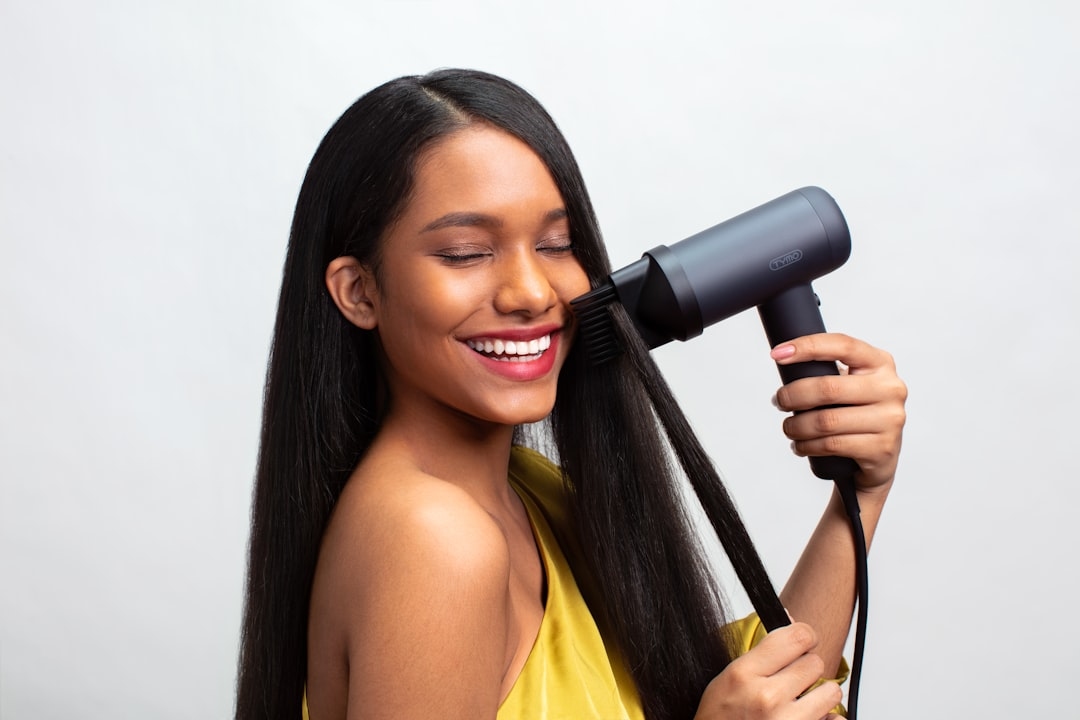
A hair diffuser is a specialized attachment for your blow dryer featuring numerous short prongs or “fingers” that spread out hot air over a wider surface. Unlike a regular dryer nozzle that concentrates heat into a narrow stream, a diffuser disperses air gently and evenly—think of the difference between a garden hose on a tight setting versus the mist setting on a spray bottle.
The primary benefit? It enhances your natural texture. If you have wavy, curly, or coily hair, a diffuser encourages wave formation while reducing frizz by up to 40% compared to blow drying without one. For straight-haired folks, it adds volume and body. The science is straightforward: the prongs break up the direct airflow, preventing the cuticle layer of your hair from being disturbed in ways that create frizz.
Regional Differences in Diffuser Popularity
Interestingly, diffuser use varies significantly across the UK and Europe. In London and the Southeast, curl-focused salons have championed diffuser techniques for nearly a decade, making them standard in high-end salons. Meanwhile, in the Northeast and Scotland, blow-dry bars traditionally emphasised sleek, straight finishes, though this is changing as the wavy-hair movement gains momentum. On the continent, particularly in France and Germany, diffusers have long been considered essential styling tools. This regional shift reflects the broader move away from the “poker-straight” aesthetic of the 2010s toward celebrating natural texture.
Types of Hair Diffusers
Not all diffusers are created equal. Understanding the different types helps you choose the right one for your hair.
Standard Diffusers
The most common type found on budget-friendly dryers (typically £15-40), standard diffusers feature evenly distributed prongs about 5-8cm long. They work well for everyday use and most hair types, though they can feel a bit clunky if you’re using a heavier blow dryer.
Collapsible Diffusers
These space-saving versions fold flat for travel, costing between £8-25. The trade-off: they’re usually made of thinner silicone and can lose their shape after repeated use. Ideal if you’re frequently packing a suitcase, but they won’t last as long as fixed models.
Professional-Grade Diffusers
High-end salon dryers (£80-300) come with integrated diffusers engineered for optimal airflow. Brands like Dyson and Ghd invest heavily in diffuser design, resulting in faster drying times and more consistent results. If you dry your hair daily, the investment pays dividends in styling ease and hair health.
Concentrator-Diffuser Hybrids
Some newer dryers feature a two-in-one nozzle that switches between concentrator and diffuser modes. These aren’t ideal for either function but offer convenience if drawer space is limited.
Preparing Your Hair Before Using a Diffuser
Success with a diffuser starts before the dryer even comes out. Poor preparation is the number-one reason people are disappointed with their results.
The Pre-Diffusing Routine
Begin with damp—not soaking wet—hair. If your hair is dripping, excess water prevents products from distributing evenly and extends drying time significantly. Use a microfibre towel or cotton t-shirt to squeeze out water for 60-90 seconds. Regular terry towels create friction that encourages frizz; microfibre reduces friction by approximately 60%.
Product Application Matters
This step makes or breaks your results. Apply a curl-defining cream, mousse, or gel from roots to ends while your hair is still wet. For fine hair, use 50p-sized amount of lightweight mousse. For thick or coily hair, use a 2p-sized amount of curl cream or gel. Products should be evenly distributed—scrunch them in using upward motions to encourage wave formation.
Popular UK options include Cantu Shea Butter Leave-In Conditioner (£6-8), which provides moisture and definition without crunch, and Aunt Jackie’s Don’t Burn My Hair Gel (£3-4), which offers strong hold and a glossy finish. Apply products before diffusing, not after.
Sectioning Your Hair
For shoulder-length or longer hair, divide it into 4-6 sections using clips. This isn’t essential for short hair but dramatically improves evenness and control. Work on one section at a time; you’ll see more defined waves and less frizz.
How to Use a Hair Diffuser: Step-by-Step Technique
Step 1: Set Your Heat and Speed
This is where most people go wrong. Use medium heat and low to medium speed—not high heat and high speed. High heat dries hair too quickly, preventing waves from setting properly, and the powerful airflow can disturb your cuticles and cause frizz. If your dryer has a cool shot button, save it for the final 10-15 seconds to seal the cuticle and boost shine.
Step 2: Position the Diffuser
Hold the diffuser cup-side toward your scalp. The prongs should be touching your hair but not pressing painfully into your scalp. Many people hover the diffuser too far away; you want it close enough that you feel gentle warmth, not intense heat from a distance.
Step 3: Scrunch and Lift
This is the crucial technique that separates salon results from bathroom disasters. Using your hand, scrunch a section of hair up into the diffuser cup while the dryer is running. Hold for 3-5 seconds, then release. This technique encourages wave formation and distributes heat evenly. Repeat this motion across that section, moving to different spots rather than holding the dryer in one place.
Think of it like playing an accordion—you’re gently compressing and releasing the hair within the diffuser. This motion is far more effective than simply moving the diffuser across your hair without engaging it.
Step 4: Root Lift and Directional Drying
For volume, spend extra time at the roots. Flip your head upside down and direct the diffuser at your roots for 20-30 seconds. This technique adds lift that lasts. Then flip back over and work on mid-lengths and ends, always scrunching upward.
Step 5: Finish with Cool Air
Once your hair is about 80% dry, switch to cool air and low speed for the final minute. This sets your waves, closes the hair cuticle, and boosts shine significantly. It feels like less important than heat-drying, but this step determines whether your curls last all day or fall flat by noon.
Practical Tips for Professional Results
Use the Praying Hands Method for Frizz Control
After scrunching in product, gently press your hands together around sections of hair (like you’re praying) rather than roughing it up. This reduces frizz by creating a smoother surface for the diffuser to work with. It takes 30 seconds longer but prevents half your frizz issues before the dryer even starts.
Try the Wet-Plop Method for Extra Hold
After applying product, wrap your hair in a microfibre towel or t-shirt for 10-20 minutes while you have coffee or check your phone. This allows products to fully penetrate and your waves to partially set before heat styling. You’ll notice significantly tighter, more defined waves—and sometimes you’ll only need 10-15 minutes of diffusing instead of 20.
Diffuse at an Angle, Not Straight Down
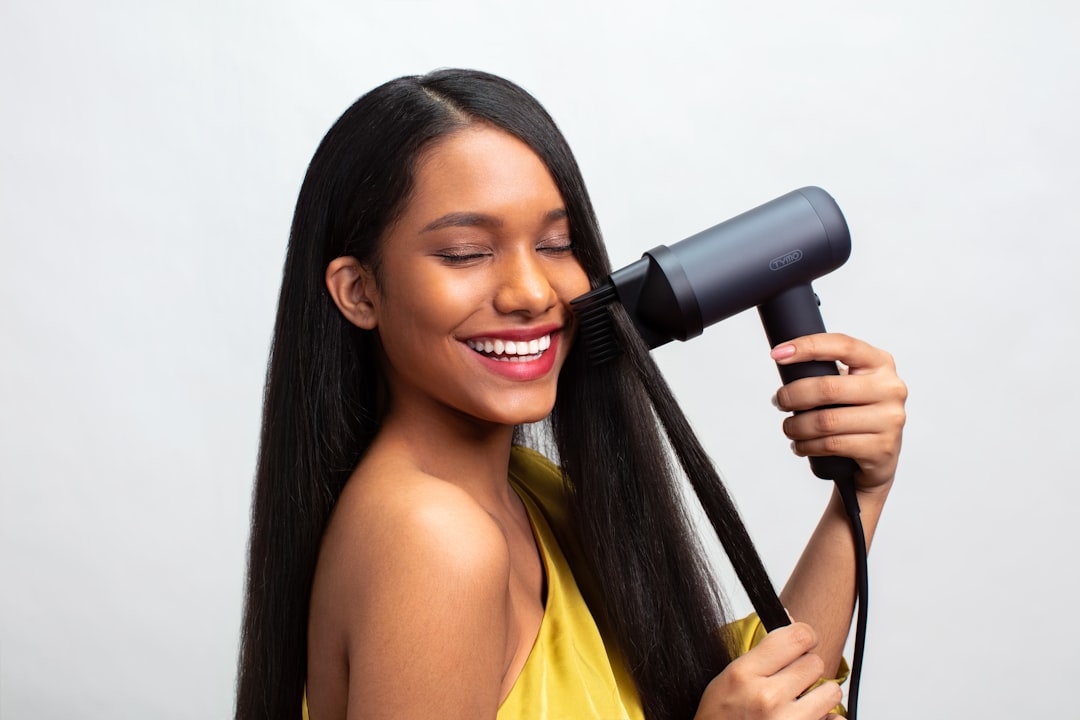
Slightly tilt the diffuser so the prongs point toward your roots rather than directly perpendicular to your scalp. This angle encourages wave formation better than straight-down positioning. It’s a small adjustment but produces noticeably bouncier results.
Invest in a Quality Heat Protectant
Even though you’re using medium heat, a heat protectant spray (£6-12) creates an invisible barrier that prevents moisture loss and damage. Apply to damp hair before product. Brands like Schwarzkopf Silhouette Heat Guard and Lee Stafford Coppice Heat Protect are widely available at Superdrug and Boots.
Don’t Over-Diffuse
Once your hair reaches about 85% dry, stop using the diffuser. Finish drying with your fingers or a regular hairbrush. Over-diffusing causes excessive frizz and can damage your hair from prolonged heat exposure. Your waves have already formed; you’re just removing remaining moisture.
Troubleshooting Common Issues
Excessive Frizz After Diffusing
This usually means your heat is too high or your product wasn’t distributed evenly. Try lowering heat to low-only, or apply a thicker leave-in conditioner before product. Frizz is also worse when you’re scrunching hair downward; always scrunch upward toward the roots.
Waves Won’t Hold Past Lunchtime
Your product might be too lightweight, or you’re not diffusing long enough for waves to fully set. Ensure hair is almost completely dry (not 80%, but 95%) before finishing. If using lightweight mousse, switch to a medium-hold gel or cream. Also check your water hardness—mineral-heavy water can prevent products from gripping properly; a chelating shampoo monthly helps.
Diffuser Is Too Heavy or Causes Neck Strain
Lighter blow dryers (under 500g) are worth the investment. Alternatively, rest your elbow on the bathroom counter while working on roots to reduce strain. Don’t power through pain; this is a technique adjustment problem, not something you need to tolerate.
Diffuser Attachment Keeps Falling Off
Check the connection ring—it should twist clockwise until snug. If it’s loose, your diffuser won’t attach properly. If the connection is damaged, you might need a replacement diffuser (£8-25) rather than a whole new dryer.
Hair Type-Specific Guidance
Fine or Thin Hair
Use low heat and low speed exclusively. Your hair dries quickly—expect 8-12 minutes total. Apply lightweight mousse rather than heavy cream. Diffuse for shorter bursts (2-3 seconds) rather than long scrunches, and focus on roots for maximum volume.
Thick or Coily Hair
You can handle medium heat and medium speed. Medium or high hold products work well—your hair has the density to support them. Spend 15-20 minutes diffusing. Consider a professional-grade diffuser if you have very thick hair, as standard diffusers sometimes struggle with even heat distribution on dense hair.
Straight Hair Seeking Waves
Use mousse and medium heat on medium speed. Focus on root lifts and directional scrunching; your hair needs encouragement to hold wave shape. Consider using larger-barreled rollers while diffusing to give waves a structure to follow. Finish with cool air for at least 30 seconds.
Damaged or Bleached Hair
Use low heat exclusively and apply a deep conditioning leave-in product before styling. Your hair is more porous, so products penetrate faster—you need less product than healthy hair. Diffuse for shorter sessions and dry to about 90% before stopping. Consider weekly protein treatments (Olaplex, Aphogee) to restore strength.
Frequently Asked Questions
Can I use a diffuser on straight hair?
Yes. A diffuser on straight hair creates texture and volume rather than tight curls. Use mousse and focus on root lifting. You’ll get loose waves or a voluminous texture depending on product choice and technique, making straight hair look thicker and more interesting.
How long does diffuser drying take compared to regular blow drying?
Expect 15-25 minutes versus 8-12 minutes with a regular nozzle. The longer time is a trade-off for the volume and texture benefits. If you’re in a rush, you can finish the last 20% with a regular nozzle.
Is diffuser drying bad for your hair?
No, when done correctly. Using medium heat and not over-diffusing prevents damage. Diffuser drying is actually gentler on curly hair than concentrator nozzles, as it disperses heat over a larger area rather than concentrating intense heat in one spot.
Do I need a specific blow dryer for a diffuser?
Most blow dryers come with diffuser attachments or accept universal diffusers (check the connection type—usually 2-3 standard sizes). You don’t need an expensive dryer; a £25-40 dryer with a diffuser works fine. However, professional-grade dryers (£100+) typically have better-designed diffusers and more control.
Can I diffuse dyed or colour-treated hair?
Yes, but use low to medium heat and apply a colour-protective leave-in conditioner first. Medium heat won’t fade colour faster than regular blow drying if you limit sessions to 3-4 times weekly and use cool finishes.
Making Diffuser Styling Part of Your Routine
The first few attempts might feel awkward or produce uneven results—that’s completely normal. Your hands need practice finding the right angle, pressure, and scrunching rhythm. By your third or fourth use, you’ll feel more confident. By your tenth use, you’ll do it without thinking.
The key to mastering how to use a hair diffuser is consistency. Use the same technique, same products, and same heat settings for at least a week before changing variables. This helps you identify what’s actually working versus what’s just coincidence. Once you find your formula, you can experiment with tweaks.
Consider scheduling your diffuser drying sessions for specific days—perhaps wash days, or 2-3 times weekly. This prevents overuse while giving you regular styling practice. Many people find they eventually need less product and shorter drying times as they perfect their technique.
Keep a photo journal of your results: different angles, different product combinations, different techniques. This isn’t vanity—it’s a practical tool to track what works. You’ll notice patterns (e.g., “I got my best waves when I used cool finish for 45 seconds”) that help you replicate success consistently.
The investment in learning this skill pays dividends. Within a month, you’ll have salon-quality waves at home, no longer dependent on expensive styling appointments. Your hair will look healthier because you’re controlling heat exposure rather than letting stylists or generic techniques dictate your routine. And perhaps most importantly, you’ll enjoy the ritual—there’s something meditative about the warm airflow, the scent of your styling products, and watching your waves form in real-time.

Add Comment