Contents:
- The Long Hair Myth That Holds You Back
- Understanding Your Hair’s Foundation
- The Porosity Factor
- The Foundation Work: Your Secret Weapon
- Blow-Drying Strategy for Long Hair
- Product Application: Less Is More (Usually)
- Core Styling Techniques for Long Hair
- The Proper Wave Technique
- The Braid Advantage
- Blow-Out Styling with Tools
- What the Pros Know
- Regional Styling Adaptations
- High-Humidity Regions (South and Southwest)
- Dry Climates (Parts of the East)
- Temperate Regions (North and Central)
- Specific Long Hair Styles: Step-by-Step
- The Half-Up Style
- The Textured Ponytail
- The Low Bun
- Product Recommendations and Budget
- Budget Tier (Under £15)
- Mid-Range (£15-35)
- Premium Tier (£35+)
- Common Styling Mistakes and Fixes
- Mistake: Styling on Dirty Hair
- Mistake: Skipping Heat Protectant
- Mistake: Using the Wrong Straightener Temperature
- Mistake: Applying Products Before Blow-Drying
- Frequently Asked Questions
- How often should I wash long hair?
- What’s the best tool for waves in long hair?
- How can I make my long hair style last longer?
- Is it better to style dry or damp hair?
- Can I achieve salon-quality waves at home?
- Moving Forward: Your Long Hair Styling Practice
Quick Answer
Styling long hair successfully depends on three essentials: proper foundation work (blow-drying and priming), choosing techniques suited to your hair texture, and using the right tools. Most people skip the preparation steps—that’s the biggest mistake. Invest 10-15 minutes in foundation work, and your style lasts twice as long.
The Long Hair Myth That Holds You Back
Here’s what most people believe: longer hair is harder to style. It’s not true. What’s actually happening? They’re fighting against gravity and incomplete preparation. Long hair doesn’t demand complexity—it demands respect. When you work with the weight and texture properly, long hair becomes your canvas for endless possibilities rather than a problem to solve.
The real challenge isn’t length. It’s that most people approach long-hair styling the same way they approach short hair, then wonder why their waves fall flat by afternoon or their curls frizz within hours. Long hair has physics working against it. The solution isn’t fighting that physics; it’s harnessing it.
Understanding Your Hair’s Foundation
Before you touch a curling iron or reach for styling products, you need to understand what you’re working with. Long hair sits under its own weight for hours every day. That weight compresses your roots, changes how moisture distributes through your strands, and affects how products settle into your hair.
Start by identifying your hair texture honestly. Fine hair that’s long needs completely different preparation than thick, coarse long hair. Fine long hair requires volumising products and lighter tools to avoid weighing it down. Coarse long hair needs hydration and can handle heavier products and more intensive styling techniques.
The Porosity Factor
Hair porosity—how well your hair absorbs and retains moisture—matters more for long hair than for short styles. Low-porosity hair (typically shiny, resistant to products) needs lighter products applied to damp hair. High-porosity hair (often frizzy, absorbs everything) benefits from heavier creams and oils. Test your hair’s porosity by dropping a clean strand in water. It sinks quickly? High porosity. Floats? Low porosity.
This single piece of knowledge transforms your styling results. For the past 3 years, stylists across the UK have shifted toward personalised product recommendations based on porosity rather than generic “all hair types” formulas. You’ll immediately notice better hold, less frizz, and styles that last longer once you match products to porosity.
The Foundation Work: Your Secret Weapon
Professional stylists don’t look dramatically different from regular people—they’ve simply mastered foundation work. That’s the unglamorous 10-15 minutes of preparation before any actual styling happens.
Blow-Drying Strategy for Long Hair
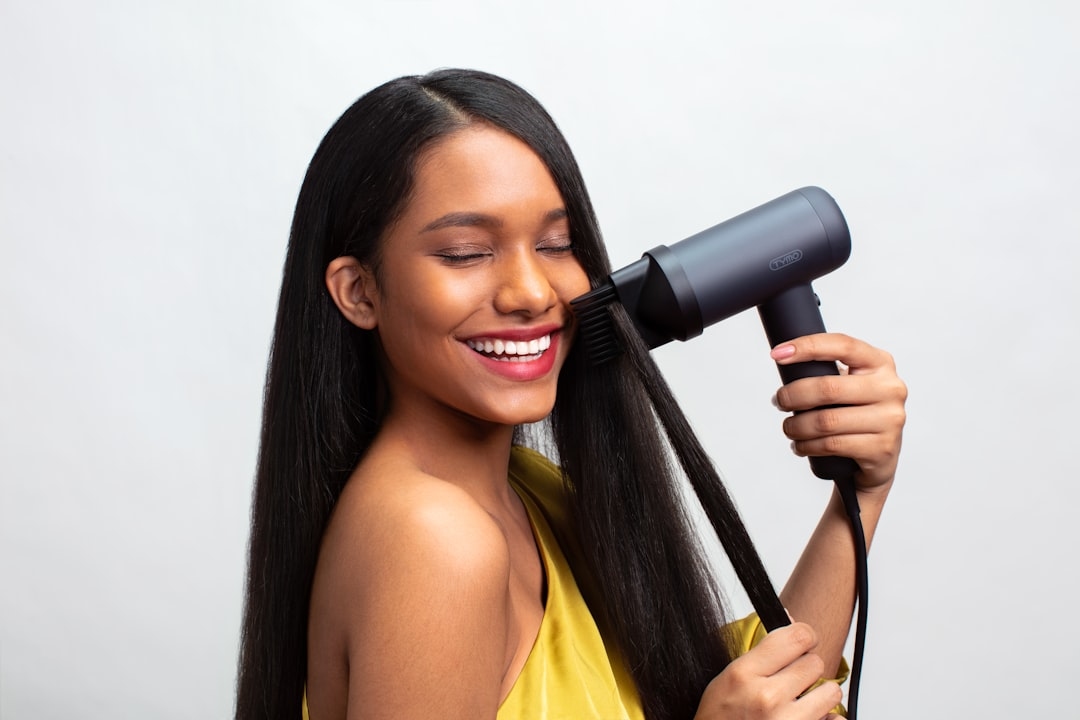
Blow-drying long hair isn’t about making it straight. It’s about creating a foundation that holds whatever style you build on top. Start by applying a heat-protectant spray to damp hair—this creates an invisible barrier reducing moisture loss by approximately 25% during heat styling.
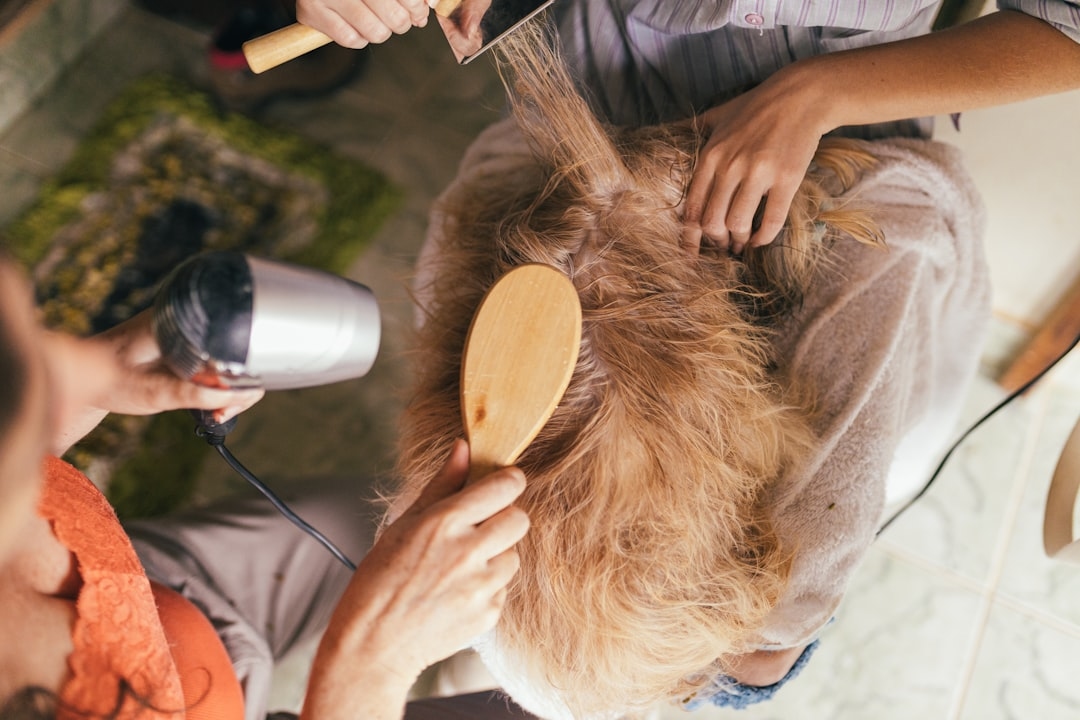
Divide your hair into 4-6 sections using clips. Work from the underneath layers upward, creating tension as you dry. Point your blow dryer nozzle downward along the hair shaft, never upward. Upward blowing lifts the cuticle layer, causing frizz and reducing shine. Downward drying seals the cuticle, making hair smoother and more reflective.
For the crown section, use a round brush to create lift at the roots. This prevents the “flat crown” problem that plagues long hair, especially by day three. Many people with long hair resign themselves to flat roots, but that’s simply because they’re not directing the blow dryer correctly during the foundation stage.
Product Application: Less Is More (Usually)
Long hair doesn’t need more product—it needs product in the right places. Most people apply styling cream from root to tip, then wonder why their hair looks greasy by evening. Instead, apply volumising mousse or lightweight cream to roots and mid-lengths, saving richer products for the ends only.
A common mistake: applying dry shampoo as a styling product. Dry shampoo absorbs oil and adds grip, but applied across the entire head, it builds up and makes hair look dull within days. Use it strategically—roots only, the night before, to give your next day’s style grip without product buildup.
Core Styling Techniques for Long Hair
The Proper Wave Technique
Waves are the most versatile long-hair style. The difference between casual waves and limp, floppy texture comes down to two variables: section size and barrel temperature.
Use a 1.25-inch barrel for most wave work. Smaller barrels create tighter curls; larger ones create loose, soft waves. For each section, wrap the hair around the barrel, hold for 8-10 seconds, then release. The key detail everyone misses: twist your wrist 90 degrees as you hold, creating that slight bend that reads as “wave” rather than “loose curl.”
Most professional blow-wave setups in London and across the Southeast use this exact technique, but stylists rarely explain why—it’s the twist. That rotation changes where the hair bends, creating dimension and movement instead of uniform ringlets.
Temperature matters. Fine, long hair needs 180-190°C. Thick, coarse hair can handle 200-220°C. Hotter isn’t better. The goal is gentle heat that seals the cuticle and sets the wave, not heat that damages the protein structure. A damaged wave looks brittle and falls flat quickly.
The Braid Advantage
Braids serve long hair in two ways: as a finished style and as a foundation for secondary styling. A simple three-strand braid, properly executed, holds for 8+ hours without relying on heat tools.
French braids—where you add sections as you braid down—work best on second-day hair with texture. If you try to French braid freshly washed hair, it’s slippery and won’t hold. This is exactly why stylists in the West Coast recommend braiding the day after styling: the slight grip of yesterday’s styling products gives the braid structure.
For a fishtail braid (which looks more modern than traditional plaits), divide hair into two sections. Take a thin piece from the outside of one section and cross it to the other section. Repeat on alternating sides. It looks intricate but takes 3-4 minutes once you’ve practised it twice.
Blow-Out Styling with Tools
The blow-out—smooth, straight, polished—requires two things: proper blow-dry foundation (that we covered) and a straightening tool used correctly.
Run your straightener slowly down each section, approximately 10-15 seconds per section depending on hair thickness. Fast strokes don’t allow heat to properly seal the cuticle; slow strokes can damage hair. Aim for the middle ground: steady, deliberate, taking your time without rushing.
For long hair, start styling at ear-level and work downward. Gravity helps your ends lay correctly if you’re working with it, not against it. This prevents the “styled roots but frizzy ends” problem many long-haired people face.
What the Pros Know
Regional Styling Adaptations
High-Humidity Regions (South and Southwest)
If you live in or regularly style hair in humid climates, moisture is your enemy. The air is literally fighting your style. Use an anti-frizz serum as your base before any other product. Look for serums containing silicone or natural oils like argan, which create a protective barrier. Apply to damp hair before blow-drying.
Choose braids, waves, and textured styles over sleek blow-outs in humid weather. Textured styles accommodate humidity naturally. Braids, specifically, trap moisture inside the plait structure rather than letting it frizz up individual strands. Many people in the South and Southwest have shifted away from straight styles during summer, which is the right call.
Dry Climates (Parts of the East)
Dry air pulls moisture from your hair, making it brittle and prone to breakage. Your challenge is the opposite: adding hydration. Use a hydrating leave-in conditioner before styling. Apply oils to your ends, but only after blow-drying (applying oils before heat styling can cause damage).
Waves and curls work better in dry climates because they’re less moisture-dependent than sleek styles. Curls don’t need a humid environment to form—they need proper technique and hold, both of which work fine in dry conditions.
Temperate Regions (North and Central)
Moderate humidity and temperature swings mean your hair is probably dealing with variable conditions. Versatile styles that work in multiple humidity levels serve you best. Waves that sit between loose and tight, braids that work on multiple hair days, and texturised styles all handle variable conditions better than styles requiring perfect humidity.
Specific Long Hair Styles: Step-by-Step
The Half-Up Style
Elegant, practical, and works on all hair types. Take a section from one temple, twist loosely, and pin at the crown using a bobby pin that matches your hair colour. Repeat on the other side, twisting those two sections together at the back and securing. Takes 90 seconds, lasts 6+ hours.
The twist (rather than straightforward section) adds dimension and prevents the “overly formal” look. This detail matters. A simple half-up with straight sections reads as “haven’t tried” while twisted half-up reads as intentional styling.
The Textured Ponytail
Start with your foundation work—blow-dry to create volume and grip. Create waves using your curling tool as described earlier. Then gather hair into a high ponytail (or mid-height, depending on formality). The key: don’t smooth the hair back. Leave some texture around the face, pull some pieces out to frame, and keep the ponytail slightly loose and textured rather than slicked and tight.
Use a hair tie that matches your hair colour and secures without leaving a crease. Silk or velvet-lined hair elastics (£3-6) prevent breakage and creasing better than standard elastic. This small detail extends the life of your ponytail style—it looks fresh and undeented rather than creased.
The Low Bun
For a low bun that doesn’t look overly formal, begin with textured hair (second-day hair or styled waves work best). Gather at the base of your neck into a low ponytail, then twist the ponytail and coil it, pinning with bobby pins as you coil. The textured foundation makes the finished bun look effortlessly styled rather than tight and controlled.
This style holds for 8-10 hours and works on hair of all textures. The secret to a flattering bun shape: don’t pull it too tight, and make sure the coil is slightly loose, creating soft texture rather than a flat, compressed appearance.
Product Recommendations and Budget
Budget Tier (Under £15)
Cantu Shea Butter Leave-In Conditioner (£4) works for most hair types as a lightweight styling base. Schwarzkopf Osis+ Dust It Volumiser Powder (£6) adds grip at roots without build-up. These budget options aren’t premium, but they’re reliable for daily styling.
Mid-Range (£15-35)
Bumble and bumble Thickening Full Form Mousse (£24) is excellent for fine, long hair needing volume. Olaplex No. 6 Leave-In Smoothing Protein Mist (£28) strengthens hair while adding shine—important for long hair prone to damage at the ends. These products deliver noticeable improvements over budget options.
Premium Tier (£35+)
Oribe Royal Blowout Heat Styling Spray (£42) is specifically formulated for heat styling, with heat-protectant and styling benefits combined. For serious long-hair styling enthusiasts, it’s worth the investment—one bottle lasts 3-4 months with regular use.
Common Styling Mistakes and Fixes
Mistake: Styling on Dirty Hair
Unwashed hair is slippery and won’t hold styles as long. The solution: dry shampoo applied the night before, giving your hair a full 12 hours to absorb and bind. Apply lightly to roots, brush through, and by morning, you have grip without looking grey or powdery.
Mistake: Skipping Heat Protectant
Heat damage on long hair compounds—damaged ends split further up the hair shaft over weeks. Always use a heat-protectant spray before using any heated tool. It’s not optional; it’s the difference between healthy long hair and dry, damaged lengths within months.
Mistake: Using the Wrong Straightener Temperature
Many straighteners go up to 230°C, but you rarely need that. Fine hair: 180-190°C. Medium hair: 190-210°C. Thick or coarse hair: 210-230°C. Higher temperatures don’t give better results—they just damage hair faster. A good straightener with temperature control (brands like Ghd or Dyson) lets you dial in exactly what you need.
Mistake: Applying Products Before Blow-Drying
Products applied to soaking wet hair get diluted and don’t work effectively. Apply products to damp hair (towel-dried but still wet-looking) instead. Your hair absorbs products better when it’s damp, not dripping. This timing change makes every product work better.
Frequently Asked Questions
How often should I wash long hair?
Every 2-3 days is ideal for most long hair. More frequent washing strips natural oils; less frequent washing allows buildup. If your scalp gets oily before day 3, use dry shampoo on day 2 instead of washing. This preserves the oils protecting your lengths whilst managing oily roots.
What’s the best tool for waves in long hair?
A 1.25-inch barrel curling iron creates the most versatile wave for long hair. It’s large enough that waves don’t look overly curled and small enough to create defined texture. For very thick hair, a 1.5-inch barrel works. For fine hair, a 1-inch barrel gives better hold.
How can I make my long hair style last longer?
Three factors extend style longevity: proper blow-dry foundation (creates texture and grip), lightweight products that don’t weigh hair down, and minimal touching throughout the day. Fingers running through your hair 20+ times daily deflates any style. Train yourself to touch your hair only when necessary.
Is it better to style dry or damp hair?
Damp hair holds styles longer. Completely wet hair won’t hold; dry hair is harder to style and more prone to frizz. Aim for the stage where hair looks wet but doesn’t drip. Most styling works best at this stage because moisture allows the hair to accept shape, which then sets as it dries.
Can I achieve salon-quality waves at home?
Yes, with proper technique and tools. The difference between at-home and salon results isn’t magic—it’s the blow-dry foundation and using the correct tool (1.25-inch barrel, appropriate temperature) with proper tension. Invest in a good straightener or curling iron (£80-150) rather than cheap tools that don’t heat evenly, and practice the motion twice before styling for a real occasion.
Moving Forward: Your Long Hair Styling Practice
Styling long hair beautifully isn’t a talent you either have or don’t have. It’s a skill built on understanding your hair’s foundation, choosing the right techniques and tools for your texture, and practicing consistently. The professionals you admire didn’t start with perfect waves or effortless-looking updos. They started with these same techniques, practiced them dozens of times, and now they execute them automatically.
Start with your foundation work this week. Spend those extra 10 minutes on a proper blow-dry, using downward-pointing heat and section by section. Next week, master one core technique—waves, braids, or straightening—and practice it twice. By week four, you’ll notice your styles holding longer, looking shinier, and requiring less product. That’s not luck. That’s technique meeting preparation.
Your long hair is beautiful. The styling is just revealing what’s already there.

Add Comment