Contents:
- Understanding Your Hair’s Curl Memory
- The Role of Humidity and Environment
- Preparing Your Hair: The Foundation for Curl Longevity
- Start with Clean, Conditioned Hair
- Apply Texturising or Heat Protectant Spray
- The Curling Process: Technique Matters
- Choose the Right Tool for Your Space and Hair Type
- Section, Wrap, and Temperature Control
- Cool Curls Before Moving
- Setting Products: Your Curl’s Best Friend
- Hairspray for Medium Hold
- Curl-Defining or Texturising Gels
- Mousse for Volume Without Weight
- Overnight Protection: Sleeping on Your Curls
- The Pineapple Method
- Silk or Satin Pillowcase
- Humidity and Regional Considerations
- Refreshing Curls Between Styling Days
- Common Mistakes That Kill Curls Fast
- Product Recommendations by Budget
- Budget-Friendly Setup (Under £25 total)
- Mid-Range Setup (£30-60)
- Premium Setup (£60+)
- Frequently Asked Questions
- How long do curls typically stay in hair without products?
- Can you keep curls in permanently straight hair?
- What’s the difference between day 1 and day 2 curls?
- Is it better to curl damp or dry hair?
- How do humidity levels affect how to keep curls in hair?
- Moving Forward: Building Your Curl Routine
The Victorian era witnessed an obsession with elaborate curls—women would spend hours under tight bonnets or with curling rods, desperate to hold waves through dust-filled streets and unpredictable British weather. What they didn’t have, you do: science-backed products and techniques that actually work. Modern curl retention isn’t about damage and effort anymore.
Quick Answer: To keep curls in hair, use the right prep (moisturised strands, texturising spray), apply heat protection, curl your hair with appropriate tools, seal with setting products (hairspray or gel), and sleep on protection like silk pillowcases or pineapple styles. Results typically last 1-3 days depending on hair type and humidity.
Understanding Your Hair’s Curl Memory
Hair doesn’t naturally stay curled without intervention. Your strands have what’s called “memory”—the tendency to return to their natural state. Whether you’ve got poker-straight locks or natural waves, temporary curls require active maintenance. The molecular structure of your hair shaft contains hydrogen bonds that respond to moisture and heat. When you apply heat and shape your curls, you’re temporarily breaking and resetting these bonds. Remove moisture or introduce humidity, and those bonds weaken, causing curls to drop.
This is why professional stylists always mention that curl retention depends on your hair’s porosity and elasticity. Porous hair absorbs and releases moisture quickly, which accelerates curl dropout. Fine or low-porosity hair, conversely, holds set curls longer because it resists moisture penetration. Understanding your hair type—whether it’s thick, thin, fine, coarse, curly, straight, or wavy—changes your strategy entirely.
The Role of Humidity and Environment
One data point worth noting: curls last an average of 2-3 days in dry climates and 12-24 hours in high-humidity environments. The Northeast and Midwest of the UK experience higher ambient humidity, particularly in coastal regions and near water bodies. If you live in Manchester or along the Welsh coast, expect curls to relax faster than in drier areas like the Midlands.
Humidity works against curl retention because water molecules in the air compete with your styling products for the hydrogen bonds in your hair. The moisture from the air essentially “relaxes” your set curls by reintroducing water content. This is why hairstylists in humid regions recommend heavier-duty fixing sprays.
Preparing Your Hair: The Foundation for Curl Longevity
Proper preparation is where most people fail. You can’t apply curls to unprepared hair and expect them to stick around. Think of it like painting a wall—surface prep determines finish quality.
Start with Clean, Conditioned Hair
Wash your hair 1-2 days before curling. Freshly shampooed hair is too slippery and lacks the texture needed for curls to grip. Day-old or day-two hair has natural oils that help curls hold. This also means fewer washes per week, which aligns with sustainable hair care practices—reducing water use and product consumption supports both your hair health and environmental goals.
Use a moisturising conditioner, not a clarifying one. Dry, brittle hair won’t hold curls; it’ll snap and frizz. Invest in a good conditioning treatment. Brands like Umberto Giannini, Moroccan Oil, or even budget-friendly own-brand deep conditioners from Sainsbury’s work well. Apply conditioner from mid-length to ends, avoiding the scalp.
Apply Texturising or Heat Protectant Spray
A texturising spray creates grip between your hair and the curling tool. Products like Batiste Texturising Dry Shampoo or Lee Stafford Sea Salt Spray add grip at the root and throughout the length. Alternatively, use a volumising spray or heat protectant spray like TRESemmé or Schwarzkopf. These serve two purposes: they protect from heat damage and provide the texture your curls need to hold.
The investment: £3-8 per bottle, lasting 3-4 weeks of regular use. A worthwhile expense for extending curl life by 12-24 hours.
The Curling Process: Technique Matters
Choose the Right Tool for Your Space and Hair Type
Limited on space? Good news—you don’t need a vanity table. Curling irons, hair straighteners (yes, they create curls), and heated rollers all work in small bathrooms or bedrooms. The key is matching your tool to your hair type and desired curl size.
- Curling irons (25-32mm barrel): Create tight, defined curls. Best for medium to coarse hair. Takes 30-45 minutes for full head. Tools like Dyson Airstrait or Budget-friendly options from Currys UK range from £20-400.
- Hair straighteners: Create loose waves quickly. Best for fine to medium hair. Takes 15-25 minutes. A £15 straightener does the job if you’re careful with technique.
- Heated rollers: Ideal for volume and soft curls. Takes 20 minutes prep plus 15-20 minutes setting time. Requires minimal active styling, perfect for small spaces. Babyliss or Remington rollers cost £20-40.
- Air fryers or air-dry curls: No heat, no space needed, but curls drop faster (12-18 hours). Best for natural curl types you’re enhancing.
Section, Wrap, and Temperature Control
Divide your hair into 4-6 sections using clips. Smaller sections create tighter curls; larger sections create loose waves. For how to keep curls in hair all day, section thickness should be no wider than the barrel of your tool.
Temperature matters critically. Thin or fine hair should use 150-180°C; medium hair 180-200°C; thick or coarse hair 200-230°C. Higher temperatures don’t mean better curls—they cause damage and actually weaken the hydrogen bonds you’re trying to set, leading to faster curl dropout.
Wrap each section around the barrel and hold for 8-15 seconds, then gently release. Don’t yank—let the curl cool slightly on the barrel before sliding it out. Cooling “sets” the curl shape permanently in that strand.
Cool Curls Before Moving
This step gets skipped constantly. After curling, spray lightly with a light hairspray, then allow curls to cool for 5-10 minutes. Cool hair holds shape better because the hydrogen bonds are resetting in their new position. Jumping up immediately to do other things while curls are still warm? You’re releasing the set before it’s fixed.
Setting Products: Your Curl’s Best Friend
Product choice determines how long how to keep curls in hair actually works. Three product types exist, and they work differently.
Hairspray for Medium Hold
Traditional aerosol or pump hairspray (Tresemmé, Schwarzkopf, or salon brands like Kérastase) creates a light protective layer. Apply once immediately after curling and once before bed. Medium hold lasts 1-2 days. Cost: £4-12 per bottle.
Curl-Defining or Texturising Gels
For stronger hold, use a gel formulated for curls—not regular gel, which flakes and looks heavy. Try Cantu Coconut Curling Cream, Miss Jessie’s Jelly Soft Curls, or budget brands like Cantu’s diffusers applied while slightly damp. Gels work best on damp hair post-curl, creating definition and fight against humidity. They create noticeable hold (2-3 days) but can look shiny or slightly wet if overapplied. Use sparingly: a fingertip amount per section.
Mousse for Volume Without Weight
Mousse applied to damp hair before curling adds hold without the heaviness of gel. Schwarzkopf or TRESemmé volumising mousse works on almost all hair types. Apply to roots and through mid-lengths, then curl as normal. Mousse evaporates as it dries, so reapply as a setting product afterward. Lasts 1-2 days.
Pro tip for small apartments: product residue builds up quickly in confined spaces with less air circulation. Use lighter products in summer or high-humidity months to prevent sticky buildup.
Overnight Protection: Sleeping on Your Curls
What happens while you sleep determines whether curls survive to morning. Your pillow is the enemy—cotton friction destroys curl shape. Two reliable methods exist:
The Pineapple Method
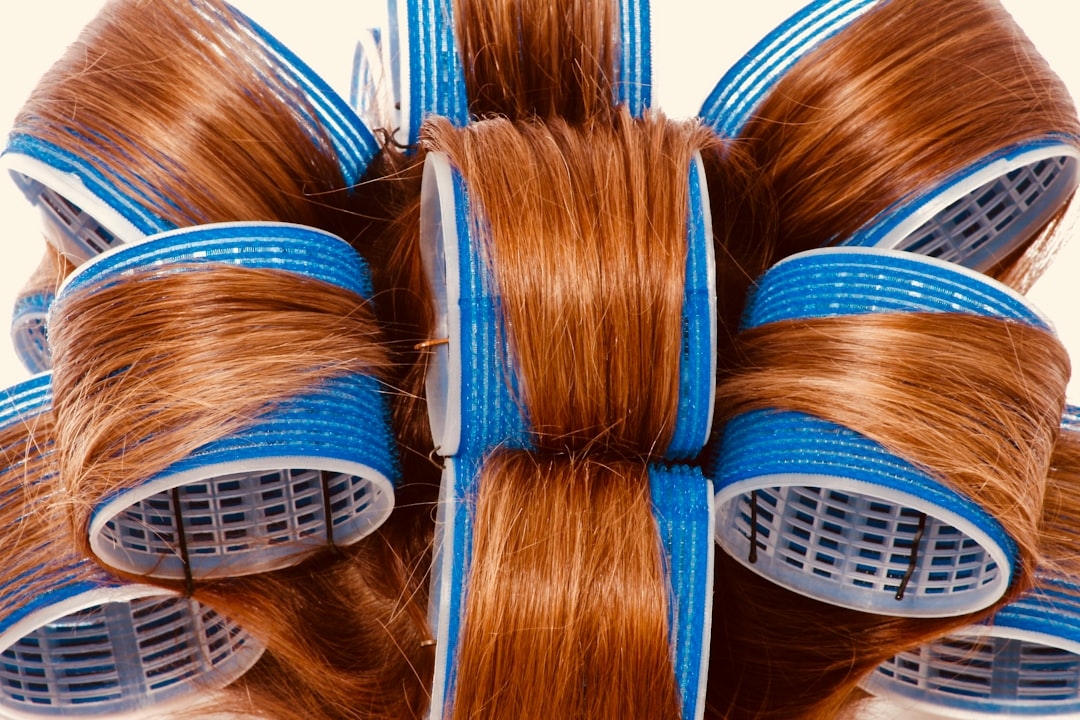
Gather curls on top of your head into a loose, high ponytail using a silk or satin hair tie (not elastic). This keeps curls away from pillow friction and prevents flattening. Works best for medium to tight curls. Takes 30 seconds. Curls typically last 1-2 extra days using this method alone.
Silk or Satin Pillowcase
Switch your regular cotton pillowcase to silk or satin. The smooth surface creates minimal friction, preserving curls throughout the night. Added benefit: reduces frizz and is gentler on skin. Quality silk pillowcases cost £15-35 from Dunelm, Dunnes, or Ebay. They last 2+ years, making them genuinely economical. This is also an eco-friendly choice—one pillowcase replaces hundreds of cotton ones over its lifetime, reducing textile waste.
Combine both methods for maximum protection. Use the pineapple + silk pillowcase for curls that survive 3+ days.
Humidity and Regional Considerations
Geography affects curl retention more than most realise. The West Coast of the UK (Devon, Cornwall, west Wales) experiences Atlantic moisture year-round, keeping humidity high. Curls drop faster here—expect 12-18 hour retention even with perfect technique. Northeast coastal areas (Northumberland, Yorkshire coast) experience similar challenges during winter storms.
Central areas like Birmingham or the Midlands have more stable humidity, allowing 2-3 day curl retention. If you live in high-humidity regions, invest in anti-humidity sprays like Frizz-Ease or use heavier gels instead of lightweight sprays. Some stylists in Cornwall and Wales swear by silicone-based serums applied post-curl to seal the cuticle against moisture.
Refreshing Curls Between Styling Days
You don’t need to restyle from scratch daily. Refresh second-day curls to extend wear to day three.
- Lightly mist curls with water or a curl-refreshing spray (SheaMoisture or Carol’s Daughter brands available at Boots)
- Smooth over any frizz with a tiny amount of serum or oil
- Re-pin curls loosely with bobby pins or silk clips
- Spray with hairspray again
- Sleep using pineapple method
This five-minute routine extends curls 24 hours without heat damage.
Common Mistakes That Kill Curls Fast
Knowing what not to do prevents frustration:
- Brushing wet curls before styling: You’re creating frizz and breaking the curl pattern before you even start.
- Applying product only to roots: Curls drop because the ends lack hold. Distribute product throughout.
- Skipping the cool-down phase: Cooling sets the shape. Skipping it means curls release within hours.
- Using cotton pillowcases: You’re undoing 30 minutes of styling work every night.
- Overloading with products: Too much hairspray or gel weighs hair down, causing curls to drop faster.
- Exposing to steam immediately: Showering or making tea right after styling releases the curl set. Wait at least 2-3 hours.
- Using the wrong temperature: Too hot damages hair and weakens curl hold; too cool means the curl won’t set.
Product Recommendations by Budget
Budget-Friendly Setup (Under £25 total)
- Currys or Argos heated brush: £15-20
- Tresemmé or Schwarzkopf hairspray: £3-5
- Sainsbury’s or Asda texturising spray: £2-3
- Silk hair tie or clip: £2-3
Mid-Range Setup (£30-60)
- Dyson Corrale straightener or T3 curling iron: £40-60
- Kérastase or salon-brand hairspray: £10-15
- Cantu or SheaMoisture curl cream: £6-8
- Silk pillowcase: £15-25
Premium Setup (£60+)
- Dyson Airstrait or high-end curling tool: £200-400
- Salon-brand mousse and gel: £15-20 each
- Silk or mulberry silk pillowcase: £30-50
- Anti-humidity spray: £10-15
You don’t need premium tools. Mid-range tools perform equally well for most people; premium brands offer faster styling and durability over years.
Frequently Asked Questions
How long do curls typically stay in hair without products?
On most hair types, curls naturally last 4-12 hours without setting products. The hydrogen bonds holding the curl shape progressively weaken as moisture in the air and hair naturally rebalance. Fine or low-porosity hair may hold curls longer; thick or very porous hair releases curls faster. This is why products are essential for extending retention to 2-3 days.
Can you keep curls in permanently straight hair?
Yes, but with limitations. Straight hair lacks natural curl memory, so you’re entirely dependent on heat and product to hold curls. Expect 12-24 hours maximum without heat styling each day. Relaxer-treated or chemically straightened hair actually holds set curls well, as the chemical process has already altered the hair structure. Naturally straight, unchemically treated hair requires the strongest products and most frequent refreshing.
What’s the difference between day 1 and day 2 curls?
Day 1 curls are tightly defined because heat has just reset the hydrogen bonds. Day 2 curls relax slightly (20-40% looser), creating a softer wave. Many people prefer day 2 curls aesthetically—they look less structured and more natural. Day 3 curls, if they survive, are often too loose to be recognisably curled and look more like texture or waves.
Is it better to curl damp or dry hair?
Dry hair is better. Damp hair creates steam when heat is applied, and the moisture weakens the hydrogen bond setting. Additionally, you can’t accurately judge when the curl has set if hair is wet—the final shape won’t emerge until it dries completely. The exception: mousse or curl-defining cream should be applied to damp hair before heat styling, as these products need moisture to activate.
How do humidity levels affect how to keep curls in hair?
High humidity (above 60%) reduces curl retention by 40-50% because airborne moisture competes for hydrogen bonds in your hair, relaxing the set. Very high humidity (above 75%) can reduce retention from 2-3 days to 12-18 hours. Conversely, very dry climates (below 30% humidity) extend curl retention to 4+ days. This is why curl-hold times vary dramatically by region and season.
Moving Forward: Building Your Curl Routine
Maintaining curls isn’t complicated once you establish a system. Invest in one quality curling tool and a silk pillowcase. Select one reliable hairspray or gel. Practice section-by-section curling twice to build muscle memory. Within three sessions, you’ll find your personal technique and product combination that works best for your hair type, space, and local climate.
Start with one method—either the pineapple or silk pillowcase—and add the second after you’ve mastered sleeping on curls. Try budget products first; you can upgrade if something doesn’t work for your hair. The difference between £5 and £25 hairspray is minimal for most people; the difference between no product and some product is enormous.
Track what works. Note which days curls held best, what products you used, and what the humidity was. After four weeks, patterns emerge showing your optimal approach. Then, adjust only when needed. Consistency matters more than perfection when keeping curls in hair.

Add Comment