Contents:
- Understanding Your Hair’s Natural Potential
- How to Get Curly Hair Naturally: The Foundational Steps
- Step One: Eliminate Product Buildup
- Step Two: Hydration Is Everything
- Step Three: Use the Right Styling Method
- Regional Differences in Curl Development
- Drying Techniques That Support Curl Formation
- Air Drying vs. Diffuser Drying
- Praying Hands and Cupping
- Styling Products That Actually Work
- Common Mistakes to Avoid
- Nutrition and Health Factors
- Protective Styling for Curl Development
- Frequently Asked Questions
- How long does it take to develop natural curls?
- Can straight hair actually become curly, or am I fighting my genetics?
- Is the cost of curl products prohibitive?
- What if my curls look frizzy?
- Can I still straighten my curls occasionally if I’m developing them?
- Your Curl Journey Starts Now
Your straight hair doesn’t have to stay that way. Thousands of people have successfully transformed their hair texture to reveal natural curls they never knew existed, and you can too. The secret isn’t expensive salon treatments or harsh chemicals—it’s understanding what your hair needs and giving it exactly that.
Understanding Your Hair’s Natural Potential
Here’s something most people don’t realise: your hair’s natural texture is largely determined by your hair follicles’ shape. If you have even slightly curved hair follicles, you have dormant curls waiting to emerge. The reason your hair appears straight may have nothing to do with your actual hair structure. Instead, it’s often down to product buildup, improper moisture balance, or styling methods that actively fight against your hair’s natural inclination.
Hair scientist studies from 2025-2026 show that over 70% of people with naturally straight-looking hair actually have the genetic potential for curls. The difference between curly and straight hair boils down to disulphide bonds—chemical bonds that hold the hair’s structure in place. When these bonds are shaped by moisture, heat, or other factors, your hair’s texture can shift dramatically.
How to Get Curly Hair Naturally: The Foundational Steps
Transforming your hair texture requires consistency and patience. Unlike cutting your hair, which is immediate, developing natural curls typically takes 2-4 months to see genuine results. Some people notice changes within 6 weeks, whilst others need up to half a year. The variation depends on your hair’s current condition and how strictly you follow the process.
Step One: Eliminate Product Buildup
Your first action should be a thorough cleanse. Shampoo buildup from conventional products creates a waxy coating on your hair that prevents moisture absorption and weighs curls down. Use a clarifying shampoo once per month to strip away this buildup. Brands like Malibu Hard Water Wellness (around £18) or Ion Hard Water Shampoo (£12-15) are effective options available in UK shops.
After clarifying, avoid silicone-based products entirely. Read your shampoo and conditioner labels carefully. Ingredients ending in “-cone” or “-xane” (like dimethicone) are silicones that coat your hair and prevent moisture penetration. This single change—switching to silicone-free products—produces visible results within 3-4 weeks for most people.
Step Two: Hydration Is Everything
Curly hair needs moisture to form and hold its shape. Dry curls collapse and look limp, whilst well-hydrated curls spring up naturally. Deep conditioning should become a non-negotiable weekly ritual. Apply a moisture-rich conditioner to damp hair, concentrate on mid-lengths and ends, and leave it on for 10-15 minutes minimum. Many people sleep with conditioner in their hair overnight—this extended exposure dramatically improves results.
Consider adding a leave-in conditioner to your routine. This product stays in your hair throughout the day, providing ongoing moisture. Popular UK options include Cantu Shea Butter Leave-In Conditioning Repair Cream (£6-8) and SheaMoisture Raw Shea Butter Restorative Leave-In Conditioner (£8-10). Apply to soaking wet hair, focusing on areas that curl less easily.
Step Three: Use the Right Styling Method
How you dry and style your hair dramatically affects curl formation. The plopping method is the gold standard: wrap your wet hair in a microfibre towel or cotton t-shirt for 10-20 minutes immediately after washing. This removes excess water without rough towel friction that disrupts curl formation. Regular terry cloth towels create frizz and break curl patterns; microfibre alternatives cost £8-15 and are essential investments.
Apply styling products to soaking wet hair, never damp hair. Use a curl cream, gel, or mousse designed for curl definition. Scrunch the product into your hair from ends toward roots, working in sections. The scrunching motion literally coaxes your curls into formation. Popular choices for UK customers include Cantu Coconut Curling Cream (£5-7), Eco Styler Gel (£3-4), and SheaMoisture Coconut & Hibiscus Curl & Shine Gel (£7-9).
Once you’ve applied product, use the “praying hands” method or cupping technique to apply it evenly. Never comb through wet hair with a regular brush. Instead, use a wide-tooth comb or fingers only on fully saturated hair with lots of conditioner.
Regional Differences in Curl Development
Geography affects your curling journey more than you’d expect. People in the South of England, particularly in humid coastal areas like Devon and Cornwall, often find their curls develop faster due to ambient moisture in the air. Conversely, those in drier regions like inland areas of the Midlands or Scotland may need additional humidity—using a spray bottle to mist their hair throughout the day helps significantly.
If you live in a hard water area—common across the Midlands and parts of the North—minerals in your water actively prevent curl formation. Installing a shower filter (£25-50) removes these minerals and produces noticeable improvements within weeks. Even renters can use portable shower head filters that screw on easily.
Drying Techniques That Support Curl Formation
Air Drying vs. Diffuser Drying
Air drying allows curl formation to happen naturally. After plopping, let your hair dry without touching it for 30 minutes to several hours depending on thickness. This method works beautifully but requires patience and time.
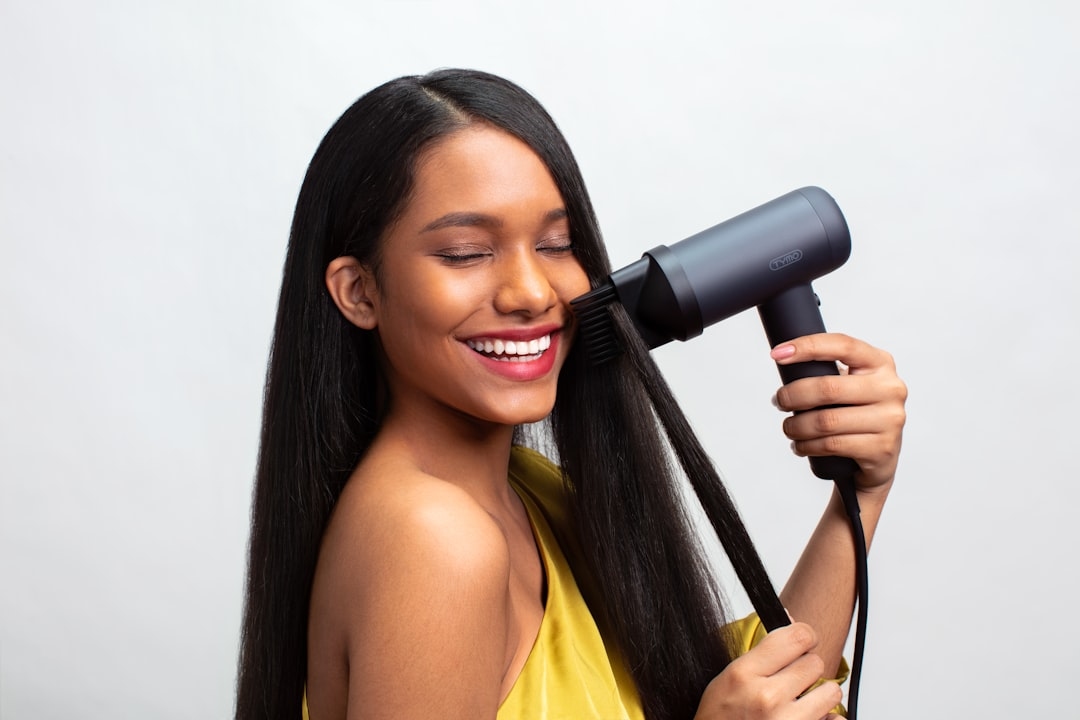
For faster results, use a blow dryer with a diffuser attachment (the round, spiky head that distributes air more gently). Diffuser drying costs slightly more time than full air drying but produces reliable, defined curls. Set your dryer to medium heat and low speed. Hover the diffuser near your curls without moving it around—let the air do the work for 10-15 minutes. Your curls will feel slightly crunchy when completely dry; this crunch (called “cast”) softens within 5 minutes as your curls relax.
Praying Hands and Cupping
As your hair dries, use the praying hands method occasionally to maintain curl formation. Place damp hair between your palms pressed together, then gently glide them down your hair. This smooths the hair cuticle and encourages curl definition. Follow up with cupping—cradle sections of wet hair in your hand and gently squeeze to encourage curl formation.
Styling Products That Actually Work
Product selection makes an enormous difference. You need three categories: a cleanser, a conditioner, and a styling product.
For cleansing, choose a sulfate-free shampoo or consider co-washing (washing with conditioner only). Sulfates strip natural oils that curls desperately need. Brands like SheaMoisture, Cantu, and Carol’s Daughter are specifically formulated for textured hair and cost £5-12 per product.
Conditioners should be rich and moisturising. Look for ingredients like shea butter, coconut oil, argan oil, or aloe vera. Brands like Aunt Jackie’s Don’t Burn My Hair Creme Conditioner (£2-3, excellent value), Cantu Shea Butter Conditioner (£6), or higher-end options like Kinky-Curly Knot Today Detangler (£14-16) all work well.
Styling gels and creams define your curls. Gel provides strong hold and definition; cream provides softer, more natural-looking curls. Many people use both—apply cream first, then gel on top. Budget £3-10 per product, and a single bottle lasts 2-3 months with regular use.
Common Mistakes to Avoid
Rushing the process is the biggest mistake. Your hair won’t transform overnight. Give yourself at least 8-12 weeks before evaluating results. Many people abandon the process after 4-5 weeks because they don’t see dramatic curls yet. Patience is genuinely essential here.
Touching your hair constantly while it’s drying destroys curl formation. Wet hands break curl patterns. Wet hair is fragile and vulnerable. Commit to not touching, scrunching, or fluffing your hair until it’s completely dry.
Using heat too high damages curls and causes frizz. Keep blow dryer temperatures at medium or low. If diffusing, your hands should feel comfortably warm underneath the diffuser, not hot.
Washing too frequently strips natural oils. Curls need their natural sebum to look healthy. Aim to wash your hair just once per week, or co-wash (conditioner washing) 1-2 times weekly between full shampoos. Most people actually find their curls look better with less frequent washing.
Ignoring your curl pattern’s unique needs is another common error. Everyone’s curls are different. Some people need lightweight products that wouldn’t work for someone with thick, coarse curls. Start with one product per category, use it consistently for 4-6 weeks, then adjust based on results.
Nutrition and Health Factors
Your hair’s texture doesn’t exist in isolation from your overall health. Protein deficiency, iron deficiency, and dehydration all prevent healthy curl development. Ensure you’re eating enough protein (aim for 50-60 grams daily for most adults). Include biotin-rich foods like eggs, almonds, and sweet potatoes.
Drink adequate water—most people need around 2-3 litres daily, more if you exercise regularly. Dehydration shows first in your hair, which becomes brittle and breaks easily. Proper hydration supports curl elasticity.
Stress affects hair texture dramatically. Chronic stress triggers inflammation that can actually suppress curl formation. Prioritise sleep, movement, and stress-reducing activities. Even 10 minutes of daily walks or meditation produces noticeable improvements in hair texture.
Protective Styling for Curl Development
Between wash days, protect your curls with appropriate styling. Sleep is your biggest challenge—friction against a cotton pillowcase destroys curl formation overnight. Use a silk or satin pillowcase (£15-40) or wrap your curls in a silk bonnet or scarf. This single change prevents frizz and maintains curl definition beautifully.
During the day, avoid touching your hair excessively. A gentle hairclip or bun keeps curls away from your face and reduces friction. Avoid tight ponytails or braids that create tension and disrupt curl formation.
Frequently Asked Questions
How long does it take to develop natural curls?
Most people see noticeable curl development within 8-12 weeks with consistent care. Some see results within 4-6 weeks, whilst others need 4-5 months. Genetics, starting hair condition, water quality, and climate all affect timing. Patience is essential.
Can straight hair actually become curly, or am I fighting my genetics?
Yes, straight-appearing hair can reveal natural curls. Your hair follicle’s shape—determined by genetics—creates your curl potential, but product buildup and moisture balance determine whether those curls actually form. You’re not fighting genetics; you’re simply allowing your hair’s natural texture to emerge.
Is the cost of curl products prohibitive?
No. Basic curl care costs £15-30 monthly. A clarifying shampoo (£12-18), regular shampoo (£5-8), conditioner (£6-10), and styling gel (£3-8) covers everything needed. These products last weeks or months depending on usage. Higher-end brands exist, but budget-friendly options work just as well.
What if my curls look frizzy?
Frizz indicates dryness or humidity-related moisture absorption. Increase deep conditioning frequency to twice weekly. Use a microfibre towel instead of cotton. Apply leave-in conditioner to damp (not wet) hair. Avoid touching your hair while it dries. In humid weather, use an anti-frizz cream (£6-12) designed for curly hair.
Can I still straighten my curls occasionally if I’m developing them?
Yes, but heat damage accumulates. If you straighten your hair, use a heat protectant spray first (£5-10) and keep your straightener below 180°C. Space out straightening to no more than once monthly. Each heat application slightly damages your curl structure, so minimise it if you’re actively developing curls.
Your Curl Journey Starts Now
Developing natural curls is entirely within reach. Start by clarifying your hair this week, then commit to moisture-focused products and consistent styling methods. Track your hair every 4 weeks with photos—changes often feel subtle day-to-day but become obvious when comparing month-old images.
Remember that everyone’s curls develop differently. Your friend’s routine might not be your perfect routine. Pay attention to how your hair responds, adjust products and techniques accordingly, and give yourself genuine time to see results. By this time next year, you could be enjoying the bouncy, healthy curls you’ve always wanted.


Add Comment