Contents:
- Why Application Technique Actually Matters
- Understanding Your Hair’s Oil Needs
- Hair Type and Oil Absorption
- Scalp Condition Versus Hair Ends
- Step-by-Step Application for Scalp Health
- The Sectioning Method
- Scalp Application Technique
- Oil Distribution to Hair Lengths
- Regional Variations in Oil Application
- Timing Your Application: A Seasonal Calendar
- Spring (March to May)
- Summer (June to August)
- Autumn (September to November)
- Winter (December to February)
- Specific Techniques for Different Hair Concerns
- For Dandruff and Scalp Inflammation
- For Frizz and Dryness
- For Colour-Treated or Damaged Hair
- For Oily Scalp with Dry Ends
- Pre-Shampoo Oil Treatments
- Overnight Oil Treatments: Maximising Results
- Common Application Mistakes to Avoid
- Applying to Completely Dry Hair
- Overloading the Crown
- Skipping Scalp Massage
- Using Oil as a Leave-In Conditioner (Without Rinsing)
- Applying Cold Oil
- Choosing the Right Oil for Your Hair
- How Often Should You Apply Oil?
- Frequently Asked Questions
- How long should hair oil stay in before washing?
- Can I apply hair oil to wet hair?
- Will hair oil make my hair greasy?
- Is it better to apply oil before or after shampooing?
- Can I apply oil to colour-treated hair without damaging it?
- Transforming Your Hair Oil Routine
Most people are applying their hair oil wrong. They slather it on, leave it for five minutes, then wonder why their hair feels limp instead of luxurious. The difference between mediocre results and genuinely transformed hair comes down to technique, timing, and understanding what your specific hair type actually needs.
Why Application Technique Actually Matters
Hair oil isn’t just a conditioner you can throw on any which way. The method you use determines whether the oil penetrates the hair shaft, sits on the surface creating buildup, or delivers the nutrients your scalp desperately needs. In 2026, with advanced oil formulations available at every price point—from budget options at £6 to luxury treatments exceeding £45—the technique has become even more critical.
Think of hair oil application like skincare. You wouldn’t slap serums all over your face and hope for the best. Similarly, where you apply the oil and how you work it through your strands fundamentally changes the outcome. Proper application ensures the oil targets the areas that need it most: dry ends, damaged sections, and a parched scalp.
Understanding Your Hair’s Oil Needs
Hair Type and Oil Absorption
Thick, curly hair absorbs oil far more readily than fine, straight hair. Curly textures have a natural spiral that traps moisture and oil, while straight hair tends to be smoother and can look weighed down more easily. If your hair is fine or thin, you’ll need smaller quantities—roughly a 5p piece versus a 20p piece for thicker textures.
Porosity also plays a massive role. High-porosity hair (damaged, colour-treated, or naturally coarse) acts like a sponge and can handle generous amounts of oil. Low-porosity hair resists moisture and can appear greasy if you overdo it. You can test this by dropping a single hair strand in a glass of water; if it sinks quickly, your hair is high-porosity.
Scalp Condition Versus Hair Ends
A dry, flaky scalp and parched ends are different problems requiring different solutions. An oily scalp but dry ends is incredibly common and demands a selective application approach. Some people need lightweight scalp massage oils that won’t clog pores, whilst others can use heavier creams exclusively on mid-lengths and ends.
Step-by-Step Application for Scalp Health
The Sectioning Method
Begin by dividing your hair into four quadrants using two perpendicular parting lines—one from your centre part to the nape, another from ear to ear across the crown. Clip three sections away, leaving the nape section loose. This prevents oversaturation and makes coverage even.
Scalp Application Technique
Warm the oil between your palms first. Cold oil feels unpleasant and doesn’t spread as easily. Dispense a small amount (about 5ml) onto your fingertips, then use your fingertips—not your palms—to create small dots across the scalp section. Press gently into the scalp and massage in slow, circular motions for one to two minutes. This stimulates blood flow and helps the oil penetrate rather than just sit on the hair shaft.
Work your way from the base of the neck upward toward the crown. Many people mistakenly start at the crown and end at the nape; this reverses the scalp’s natural oil flow and leads to uneven distribution. Repeat this process in each of the four sections.
Oil Distribution to Hair Lengths
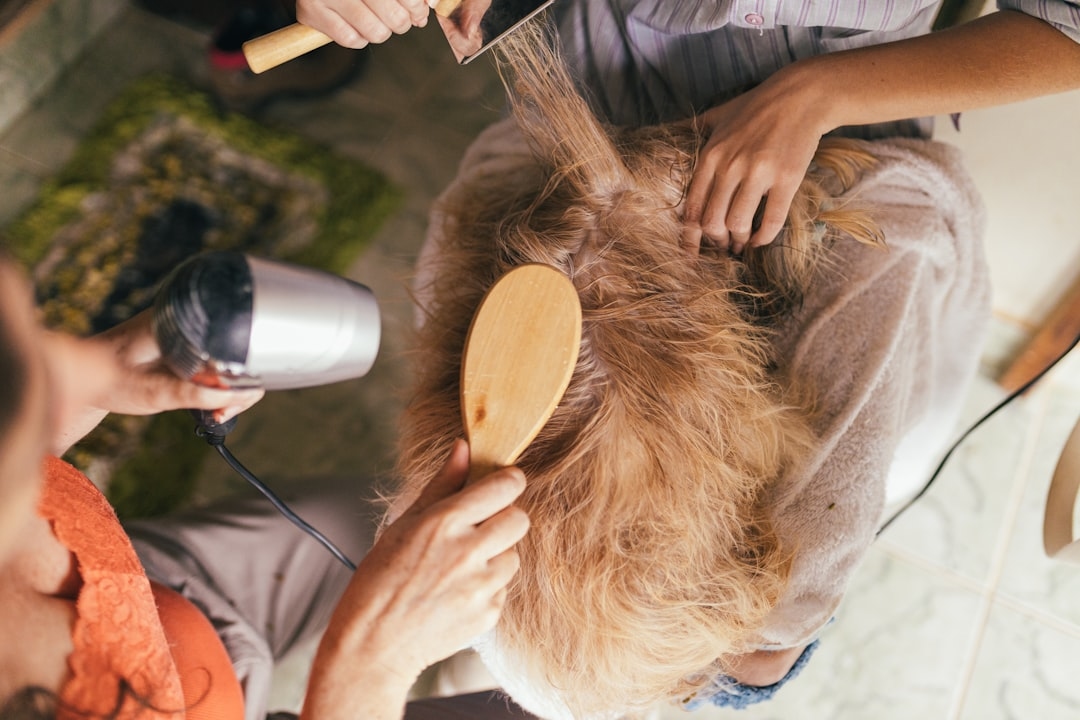
Once you’ve massaged all sections of the scalp, use a wide-tooth comb to comb the remaining oil through your hair lengths. Start at the roots and work downward, combing slowly so the oil distributes gradually. You’re not trying to saturate the entire hair shaft—you’re extending what’s already in your hair.
For the final foot (roughly 30cm) of hair, use a different technique. Gather a small section between your thumb and fingers, then slide your hand down the hair shaft whilst squeezing gently. This ensures the ends—which are the oldest, most damaged part of your hair—receive adequate oil without oversaturating mid-lengths.
Regional Variations in Oil Application
Climate and local traditions significantly influence how people should apply hair oil. In the UK’s temperate, humid climate, lighter oils and shorter application times (30 to 60 minutes) are often preferable. Tropical regions with higher humidity might benefit from longer overnight treatments since moisture in the air helps oil penetration.
Northern European markets tend to favour leave-in oils and conditioning sprays that don’t require washing out, reflecting shorter daylight hours and lifestyle preferences. Southern Mediterranean approaches traditionally use heavier, richer oils left on for several hours or overnight, which works better in drier, sunnier climates. If you’ve relocated or frequently travel, adjusting your application style to your current climate can improve results significantly.
Timing Your Application: A Seasonal Calendar
Spring (March to May)
As temperatures rise and humidity increases, reduce application frequency to once weekly. Use lightweight oils like argan or jojoba. Morning applications work well since you’ll likely shower that day, and heat from the sun aids absorption.
Summer (June to August)
Monthly or even less frequent applications suit most people in summer. If you do apply oil, choose the lightest options available and apply only to ends, never the scalp. Heat and humidity already amplify natural oils, and overloading hair creates a greasy appearance. Coconut oil, despite its benefits, can feel heavy in summer heat.
Autumn (September to November)
Increase frequency back to twice monthly as humidity drops and heating systems activate indoors. This transition period sees increased breakage as hair adjusts to temperature changes. Mid-length applications become important again.
Winter (December to February)
This is prime oil application season in the UK. Central heating dries out hair dramatically, and cold temperatures reduce natural sebum production. Weekly or even twice-weekly applications are justified. Heavier oils like coconut, sesame, or almond work beautifully now. Overnight treatments become practical since you’re likely indoors anyway.
Specific Techniques for Different Hair Concerns
For Dandruff and Scalp Inflammation
Focus your application entirely on the scalp. Use medicated oils containing neem, tea tree, or coconut oil. Apply using the sectioning method described above, spending extra time massaging. Medicated oils typically cost £8 to £18 and should sit for 30 to 45 minutes before shampooing. Leave-on lightweight oils designed for scalp health often work better than heavy treatments here.
For Frizz and Dryness
Apply oil to damp (not soaking wet) hair, focusing on mid-lengths and ends. Damp hair has open cuticles that allow oil deeper penetration. Use a smoothing technique: gather small sections and glide your hand down whilst applying gentle pressure. This technique directs cuticles downward, reducing frizz more effectively than massage techniques.
For Colour-Treated or Damaged Hair
Damaged hair needs more frequent oil applications because the cuticle layer is compromised and won’t retain moisture naturally. Apply oil every four to five days if possible, using high-porosity-friendly oils like argan, coconut, or marula. Expensive treatments (£25 to £50 per bottle) often contain additional proteins and antioxidants that genuinely benefit chemically-treated hair.
For Oily Scalp with Dry Ends
This combination requires the most discipline. Apply oil only from the ears downward, completely avoiding the scalp and roots. Alternatively, apply a tiny amount (3ml or less) to the scalp with your fingertips only, never your palm, and use the comb-through method on lengths exclusively. Some people benefit from applying oil only to the bottom third of their hair.

Pre-Shampoo Oil Treatments
Applying oil before shampooing (pre-pooing) offers profound benefits. The oil creates a protective barrier that prevents shampoo from stripping away essential moisture. Apply oil using your preferred method, then leave it for 15 to 30 minutes whilst you go about your day. You don’t need to heat it or cover your hair—simply applying and waiting works fine.
When shampooing, use a small amount of shampoo (a 5p piece is plenty for most shoulder-length hair) and focus it on the scalp. Let it naturally distribute to lengths as you rinse. This technique reduces the harsh drying effect most people experience with traditional shampooing.
Overnight Oil Treatments: Maximising Results
Overnight treatments deliver superior results because oil has eight hours to penetrate and condition hair. Apply oil generously using the sectioning method, then protect your pillow with an old towel or use a silk or satin pillowcase (approximately £12 to £20). Silk reduces friction and helps oil stay in your hair rather than transferring to the pillowcase.
In winter especially, overnight treatments become highly effective. Apply oil in the evening, sleep on it, then shampoo in the morning. Repeat this weekly from December through February for visibly thicker, stronger hair by spring.
Common Application Mistakes to Avoid
Applying to Completely Dry Hair
Bone-dry hair doesn’t absorb oil as efficiently as slightly damp hair. Mist your hair with water first to prepare the cuticles, then apply oil. This simple step dramatically improves absorption.
Overloading the Crown
The crown receives natural oils from the scalp, so it needs the least oil application. Apply smallest quantities here and reserve larger amounts for the nape and sides.
Skipping Scalp Massage
Simply spreading oil across your scalp without massage means it won’t penetrate. The massage stimulates blood flow and helps the oil soak in rather than sitting on the surface.
Using Oil as a Leave-In Conditioner (Without Rinsing)
Regular hair oils, as opposed to lightweight leave-in oils specifically designed not to be washed out, should be rinsed away. Leaving heavy oils in daily creates buildup that makes hair look dull and lifeless. Lightweight leave-in oils (under £10) exist precisely for this purpose.
Applying Cold Oil
Cold oil doesn’t spread smoothly and feels uncomfortable. Warming it between your palms for ten seconds makes an enormous difference in how it applies and how your hair feels.
Choosing the Right Oil for Your Hair
Coconut oil (£4 to £12) is deeply nourishing but can feel heavy and solidifies in cold weather. Argan oil (£12 to £30) is lightweight and absorbs quickly, making it ideal for finer hair. Jojoba oil (£10 to £20) closely mimics scalp sebum and works for nearly all hair types. Almond oil (£8 to £15) is particularly good for dandruff and scalp inflammation.
For budget-conscious choices, mineral oil blends and simple coconut oil work effectively. Premium options include marula oil (£20 to £35), which deeply repairs damage, and squalane (£15 to £28), which is incredibly lightweight and won’t weigh hair down at all.
How Often Should You Apply Oil?
Frequency depends on your hair type, climate, and current condition. Generally, fine straight hair benefits from weekly applications, whilst thick curly or coarse hair can handle twice weekly. Damaged or colour-treated hair typically needs more frequent applications. In winter, increase frequency by 50 per cent. In summer, reduce it by half.
Start with weekly applications and observe your hair over four weeks. If it looks dull or feels dry, increase frequency. If it looks greasy, reduce frequency or apply less product.
Frequently Asked Questions
How long should hair oil stay in before washing?
Minimum 15 minutes for light applications on fine hair, 30 to 60 minutes for standard treatments, and overnight for deep conditioning. There’s no maximum time; leaving oil in longer simply intensifies the conditioning effect. Most people see excellent results with 45-minute applications.
Can I apply hair oil to wet hair?
Yes, but not soaking-wet hair. Damp hair with water still present works beautifully because open cuticles allow better oil penetration. Soaking-wet hair dilutes the oil and prevents it from penetrating properly. Towel-dry first, then apply.
Will hair oil make my hair greasy?
Only if you use too much product, apply it to the crown, or leave it in too long for your hair type. Start with small quantities—a 5p piece for fine hair, a 20p piece for thick hair—and adjust upward if needed. Always leave oil in slightly less long than feels comfortable; you can repeat applications weekly more effectively than overloading once.
Is it better to apply oil before or after shampooing?
Before shampooing (pre-pooing) protects hair during the shampooing process and is ideal for weekly treatments. After shampooing, oil penetrates faster but offers less protective benefit. Most people benefit from both: weekly pre-shampoo treatments and occasional lightweight leave-in oils after shampooing.
Can I apply oil to colour-treated hair without damaging it?
Oil doesn’t fade colour and actually protects it by maintaining moisture. Apply oil regularly to colour-treated hair—it improves condition without causing fade. Water, sun exposure, and heat cause colour fade, not oil.
Transforming Your Hair Oil Routine
The most important principle for how to apply hair oil is matching your technique to your specific hair type, climate, and current condition. A method that works beautifully for someone in London’s humid climate might not suit someone in Manchester’s drier air. A technique that transforms curly hair might devastate fine hair.
Start by identifying whether you have a scalp issue, hair damage issue, or both. Apply oil accordingly—scalp-focused for inflammation or dandruff, length-focused for dryness and damage. Adjust frequency by season. Observe results honestly after four weeks, then refine your approach.
Within two months of consistent, properly-applied oil treatments, most people notice thicker, stronger, shinier hair that breaks less easily. That transformation comes from understanding not just what oil to use, but precisely how to apply it to your unique hair. Your next application is the perfect moment to start.


Add Comment