
Contents:
- Understanding Hair Volume and Why Men Lose It
- The Right Haircut: Your Foundation for Volume
- Mastering the Blow-Dry Technique
- Step-by-Step Blow-Dry Method
- What the Pros Know
- Product Selection on a Budget
- Volumising Mousse or Spray
- Texture Powder or Dry Shampoo
- Lightweight Styling Product
- Clarifying Shampoo
- Washing Routine for Maximum Volume
- Water Temperature
- Frequency
- Product Amount and Technique
- Styling Techniques for Visible Volume
- The Finger-Comb Method
- Blow-Dry Direction
- Side Parting for Illusion of Fullness
- Lifestyle Factors That Affect Volume
- Sleep Position
- Nutrition and Hydration
- Stress and Sleep Quality
- Seasonal Adjustments for Year-Round Volume
- Winter Strategy (November to February 2026)
- Spring and Early Summer (March to July 2026)
- Autumn (August to October 2026)
- Advanced Techniques for Extra Lift
- Undercut Styling
- Texture Building with Layers
- Strategic Product Placement
- FAQ: Common Questions About Hair Volume
- How long before I notice results from these techniques?
- Can you add volume to very fine or thinning hair?
- What’s the cheapest way to get more volume?
- How often should I change my routine?
- Do premium products actually work better than budget brands?
- Making These Changes Sustainable
You’re standing in front of the mirror on Monday morning, and your hair looks flat. Not thin—just flat. The confidence drains a bit before the week even starts. Volume matters more than most men realise, and the good news is that adding it doesn’t require expensive salon treatments or a complete lifestyle overhaul.
Hair volume transforms a look. It affects how others perceive your confidence, health, and attention to detail. Yet so many men accept flat hair as inevitable, when in reality, simple adjustments to technique, products, and routine can make a dramatic difference. This guide explores practical, budget-conscious strategies to achieve fuller-looking hair that you can start using today.
Understanding Hair Volume and Why Men Lose It
Hair volume depends on two factors: hair density (how many strands you have) and hair thickness (the diameter of each strand). Most men don’t lose density overnight—instead, they experience a gradual decline in how full their hair appears. This happens for several reasons.
Scalp health directly influences volume. A buildup of sebum, product residue, and dead skin cells weighs hair down, making even thick hair look limp. Men who wash hair with hot water or use heavy conditioning products too frequently often worsen this problem. The scalp becomes greasier to compensate for over-stripping, creating a cycle that flattens hair.
Hair quality changes seasonally. During winter months (November to February), reduced daylight affects hormone levels and scalp circulation, often resulting in flatter, duller-looking hair. This is why spring (March to May) becomes an ideal time to reset your routine and see immediate results. Many barbers report clients seeing noticeable volume improvements within 4-6 weeks of making seasonal adjustments.
Daily habits matter enormously. How you dry, style, and sleep on your hair determines whether you maximize or minimize your natural volume. Poor technique can make thick hair look thin, whilst proper method can make fine hair look fuller.
The Right Haircut: Your Foundation for Volume
Before buying any product, get the right cut. This is non-negotiable. A poor haircut makes every styling technique and product combination ineffective.
A good volume-focused cut has these characteristics:
- Shorter on the sides (tapered to 4-6mm) to reduce weight
- Length on top (25-30mm for most men) to create actual volume to work with
- Textured or choppy layers rather than blunt edges—layers reduce bulk and increase movement
- Angles that direct hair upward rather than lying flat against the scalp
You don’t need a £60 cut from a high-end salon. A skilled barber at £25-35 will deliver equal results if you explain what you want. Show your barber photos of men with similar hair type and the volume level you’re targeting. Mention specifically that you want height on top and texture, not bulk.
The fade or skin fade has become the standard for good reason—it removes weight from the sides, making the top appear fuller by contrast. If you currently have significant length on the sides, switching to even a medium fade will immediately make your hair look thicker.
Timing your cuts matters. Book every 3-4 weeks during your goal season (spring and early summer, roughly April to July 2026), then extend to 6 weeks during winter. Regular trims keep the shape crisp and prevent the hair from becoming shapeless and heavy.
Mastering the Blow-Dry Technique
Most men skip blow-drying or do it wrong, which wastes potential volume. Proper technique creates a foundation that product can build on.
Step-by-Step Blow-Dry Method
- Towel dry thoroughly. Use a microfibre towel or old t-shirt instead of regular towels—they cause less frizz and damage. Squeeze gently rather than rubbing. Your hair should be damp, not dripping.
- Apply volumiser product. A lightweight mousse or volumising spray applied to damp roots lifts hair as it dries. Flip your head upside down and apply at the roots, then flip back and distribute.
- Use medium heat and moderate speed. Highest heat damages hair and weakens strands. Set your dryer to medium heat, medium speed. A 1200-1800W dryer is standard; more expensive models aren’t necessary.
- Direct the nozzle against your hair’s natural lie. If your hair naturally falls forward, dry it backward first. Dry against the grain to create lift. Once mostly dry (70-80%), you can finish with the natural direction for polish.
- Finish with cool air. A 10-second blast of cool air at the end seals the hair cuticle, adding shine and hold. This costs nothing but dramatically improves appearance.
The entire process takes 3-4 minutes. Men who add this to their routine see volume improvements within one week. Your hair spends all night being flattened by your pillow; blow-drying counteracts that.
What the Pros Know
Professional stylists use blow-dryers to create shape, not just dry hair. They angle the nozzle to direct hair growth along specific lines and use their free hand to guide hair into the desired position whilst drying. They also rarely use maximum heat or speed—that’s a beginner mistake. Professionals prioritise control over speed.
Product Selection on a Budget
You don’t need five different products. Three well-chosen ones work better than a drawer full of mediocre options. For volume, prioritise products by formula, not brand name.
Volumising Mousse or Spray
Applied to damp roots, these create lift as hair dries. Look for products with 2-3% polymers—these create hold without weight. Budget brands like Superdrug’s B. range or Boots’ own hair care offer genuinely good volumisers for £3-6 per can. Premium brands charge £12-20 for very similar results. The chemistry matters, not the packaging.
Use sparingly—a tennis ball-sized amount of mousse or 3-4 sprays of spray volumiser is sufficient for most hair lengths. Overusing makes hair stiff and actually reduces perceived volume.
Texture Powder or Dry Shampoo
Applied to dry hair, these products absorb oils and add grip, making hair stand up more easily. Batiste and Not Your Mother’s are popular options at £4-7. These work particularly well for men with naturally fine or limp hair—the powder coats each strand, making it appear thicker.
Apply sparingly to the roots and tips, focusing on areas that need the most lift. Use during the day as needed, not just for washing days. Many men discover texture powder transforms their styling between washes.
Lightweight Styling Product
For hold and shape, you need one styling product. Forget heavy pomades and waxes—those weigh hair down. Instead, choose a lightweight paste, cream, or clay.
Look for products described as “matte” or “natural finish” rather than “shiny” or “glossy.” Matte products contain less oil and polymer, making them naturally lighter. Apply a small amount (thumbnail-sized) to dry hair, warming it in your palms first, then work through with your fingers. This technique gives you control and distributes product evenly.
Budget options like Superdrug’s B. styling clay (£4) perform nearly identically to premium brands costing £15-20. The difference comes down to marketing and packaging, not actual performance.
Clarifying Shampoo
Once weekly, use a clarifying shampoo to remove product buildup, oil, and mineral deposits. This prevents the gradual flattening that happens with regular shampoo alone. Boots Essentials Clarifying Shampoo (£2) works effectively. A bottle lasts 2-3 months with once-weekly use.
Washing Routine for Maximum Volume
How you wash matters as much as what you use. Poor washing habits create buildup that kills volume faster than any other single factor.
Water Temperature
Hot water opens the hair cuticle and strips natural oils, causing the scalp to overproduce sebum to compensate. This makes you feel greasier faster, so you wash more often, which makes everything worse. Wash with warm water (around 38-40°C) or cool water. Finish with a 15-20 second cold rinse to seal the cuticle.
Frequency
Most men don’t need to wash daily. Washing every other day, or even every two days, allows natural oils to build protective layers without excessive greasiness. If you currently wash daily, switch to every other day gradually over two weeks. Your scalp will adjust and actually become less oily.
On non-wash days, rinsing with water alone and using texture powder maintains style and freshness without stripping the scalp.
Product Amount and Technique
Use roughly a 20p-sized amount of shampoo for short hair. Massage the scalp with fingertips (not nails) for 60 seconds, focusing on the scalp rather than the hair lengths. Rinse thoroughly—leftover shampoo is the primary culprit behind buildup. Spend at least 30 seconds rinsing.
Conditioner is optional for men with fine or thin hair. If you use it, apply only to the bottom 2-3 inches of hair, never the roots. Leave it for one minute, then rinse completely.
Styling Techniques for Visible Volume
Even with a good cut and proper products, technique determines whether volume shows. These techniques work for all hair types from straight to curly.
The Finger-Comb Method
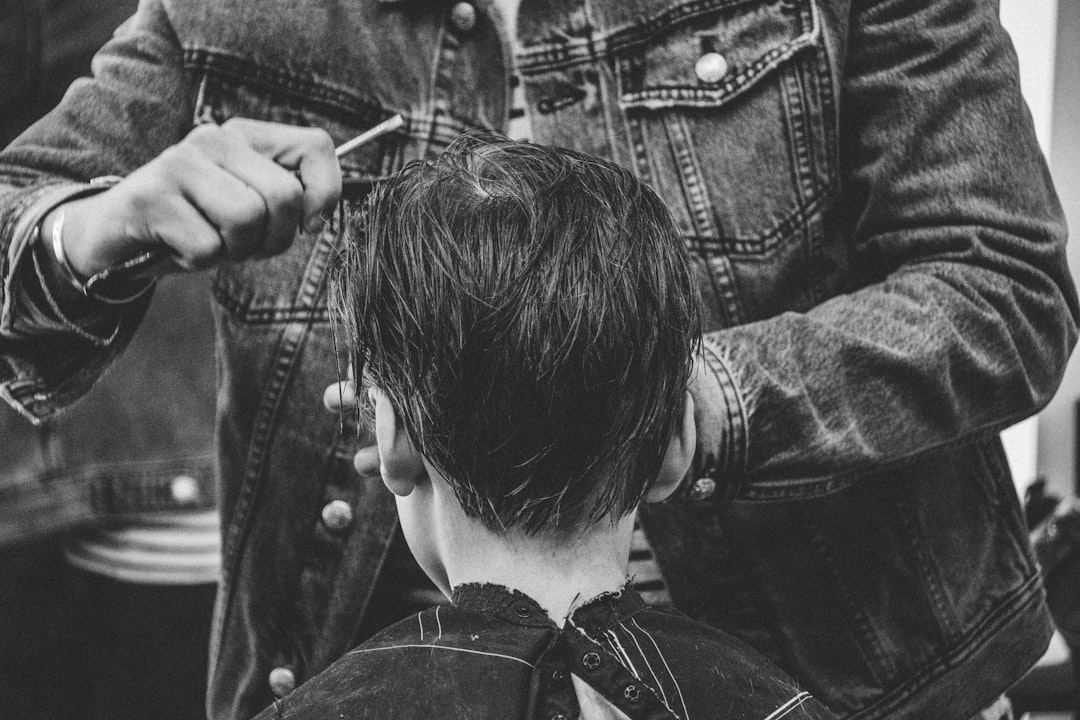
After applying lightweight product to damp hair, use your fingers instead of a comb to style. Fingers allow directional control and distribute product evenly. Comb teeth can break hair and create unnatural separation. Start at the front hairline and push hair backward and upward, working section by section.
Blow-Dry Direction
Always blow-dry against your hair’s natural lie direction first, then finish in the desired style direction. This creates the maximum lift because you’re forcing hair to sit in a position opposite its natural gravity direction, which maximises the appearance of volume.
Side Parting for Illusion of Fullness
A natural side part or off-centre parting visually increases volume compared to a centre part, which can divide and flatten hair. A side parting allows longer hair to fall slightly over the top of the head, creating fullness.
Lifestyle Factors That Affect Volume
Product and technique create the foundation, but lifestyle choices either support or undermine these efforts.
Sleep Position
Sleeping on the same side night after night flattens hair in the same direction, making that side look noticeably flatter. Varying your position or using a silk or satin pillowcase (around £8-15) reduces friction and prevents flattening. Cotton pillowcases create friction that damages hair and increases frizz.
Nutrition and Hydration
Hair health reflects overall health. Hair grows from follicles that depend on protein, iron, zinc, and B vitamins. You don’t need expensive supplements—a diet including eggs, fish, beans, nuts, and leafy greens provides what your hair needs. Drinking adequate water (roughly 2-3 litres daily) improves scalp hydration and hair appearance within 2-3 weeks.
Stress and Sleep Quality
Stress causes temporary shedding and reduces hair quality. Prioritising 7-9 hours of consistent sleep improves hormone balance, immune function, and hair health. Men often see noticeable improvements in volume and hair appearance within 4-6 weeks of improving sleep.
Seasonal Adjustments for Year-Round Volume
Hair needs change seasonally. Adjusting your approach keeps volume consistent across the year.
Winter Strategy (November to February 2026)
Reduced daylight and cold weather stress hair. During winter, increase protein intake slightly, use volumising products more consistently, and reduce wash frequency to once every 2-3 days if possible. Central heating dries scalp and hair—consider a humidifier in your bedroom (basic models cost £20-40). More frequent trims (every 3 weeks) prevent winter damage from making hair look flat.
Spring and Early Summer (March to July 2026)
As daylight increases and temperature rises, hair naturally improves. This is the ideal time to try new techniques and establish routines that will carry through the year. You’ll see results faster during this period, which provides motivation to stick with good habits.
Autumn (August to October 2026)
A transition period. As daylight decreases, gradually shift back toward winter strategies. Plan a fresh cut in early autumn to reset and shape hair before winter flattening begins.
Advanced Techniques for Extra Lift
Once you’ve mastered basics, these techniques create even more noticeable volume.
Undercut Styling
If your haircut has short sides and longer top, blow-dry the undercut (beneath the longer hair) first whilst flipping your head upside down. This creates a permanent “lift” structure that the longer hair sits on top of, creating maximum volume without looking unnatural.
Texture Building with Layers
Ask your barber for choppy layers on top rather than blunt edges. Layers reduce bulk and increase movement—each layer can move independently, creating the visual appearance of much more volume than a blunt cut of the same length.
Strategic Product Placement
Apply texture powder only to the roots and tips, not the mid-lengths. Apply styling paste only where you need hold, not everywhere. Strategic application prevents the weighed-down appearance that happens with product everywhere.
FAQ: Common Questions About Hair Volume
How long before I notice results from these techniques?
You’ll notice changes within 7-10 days if you implement blow-drying and product changes. A new haircut shows results immediately. Nutritional and lifestyle changes take 4-6 weeks to show in hair appearance, as hair grows roughly 1.2cm monthly.
Can you add volume to very fine or thinning hair?
Yes, with limitations. Fine hair responds extremely well to proper technique and lightweight products. Thinning hair (where actual hair loss is occurring) requires different strategies—consult a trichologist or dermatologist. Volume-building techniques still help fine hair appear fuller even if actual density isn’t changing.
What’s the cheapest way to get more volume?
A good haircut (£25-35) and a texture powder (£4-6) deliver the most dramatic improvement per pound spent. These two investments transform flat hair within one week for under £40. Adding blow-drying technique costs nothing but takes 3-4 minutes daily.
How often should I change my routine?
Establish a routine and stick with it for at least 4 weeks before evaluating results. Hair routines don’t work overnight. However, seasonal changes (switching products and techniques between winter and summer) prevent the stagnation that happens with static routines.
Do premium products actually work better than budget brands?
For volumising products, no. The chemistry of lightweight volumisers is similar across price points. Budget products from Superdrug, Boots, and Sainsbury’s perform identically to premium brands for general volume and texture. Premium products distinguish themselves through scent and packaging, not performance.
Making These Changes Sustainable
Knowing these techniques means nothing without actually using them. Sustainable change requires building one habit at a time, not overhauling everything simultaneously.
Start with your next haircut. Request length on top and texture, not bulk. That single change shows immediate results. In week two, add blow-drying—spend 3-4 minutes daily on this technique. In week three, introduce a texture powder and lightweight styling product. In week four, optimise your washing routine.
By month two, you’ve established four new habits that compound, creating noticeably fuller, healthier hair. Each habit costs almost nothing and takes minimal time. The barrier isn’t cost or availability—it’s consistency.
Track your progress. Take a photo on day one in consistent lighting. Take another at week four, then week eight. Seeing tangible improvement motivates continuation far better than abstract goals.
Your hair reflects priorities. Men who prioritise grooming—not obsessively, but consistently—project confidence that extends far beyond appearance. The volume you add to your hair becomes volume in how others perceive you. Start with one change this week, and build from there.



Add Comment