
Contents:
- Understanding Hair Bleaching: The Basic Science
- How Long to Leave Bleach in Hair: The Standard Timeline
- The 10-Minute Rule for Dark Hair
- Temperature and Environment: How Your Space Affects Timing
- Seasonal Considerations for Bleaching
- Testing and Monitoring: Don’t Just Watch the Clock
- Recognizing Your Target Shade
- Practical Tips for Small Bathrooms and Limited Spaces
- What Happens If You Leave Bleach on Too Long?
- Is It Ever Safe to Leave Bleach Overnight?
- Expert Insight: What Trichologists Recommend
- After Bleaching: What Comes Next Affects Your Timing Decision
- Seasonal Calendar for Bleaching Sessions
- Frequently Asked Questions
- How long should I leave bleach in my hair if I have sensitive skin?
- Can I leave bleach in longer to avoid having to do multiple sessions?
- Does hair colour affect how long I should leave bleach on?
- Is there a maximum safe time to leave bleach on hair?
- Do I need to add time if I’m bleaching thick or curly hair?
- Final Thoughts: Precision, Patience, and Your Best Results
In the 1890s, when hair bleaching first became commercially available, salon professionals had to rely on instinct and observation. They’d mix peroxide with ammonia, apply it to hair, and simply watch for the telltale shift in colour that signalled the right moment. No timers. No instructions. Just experience and a keen eye. Today, we have far more precise tools at our disposal—but understanding how long to leave bleach in hair remains just as critical to achieving brilliant colour without sacrificing your hair’s health, particularly when working in small bathrooms or limited spaces where ventilation and comfort matter.
Bleaching hair is a chemical process that strips natural pigment from each strand. The longer you leave bleach on, the lighter your hair becomes—but there’s a tipping point. Leave it too long and you risk severe damage: brittleness, breakage, and potentially irreversible dryness. The exact timing depends on several interconnected factors: your natural hair colour, hair texture, previous treatments, and the specific bleach product you’re using.
Understanding Hair Bleaching: The Basic Science
Bleach works by opening the hair cuticle and allowing the active ingredient (usually hydrogen peroxide) to penetrate the cortex, where it breaks down melanin molecules responsible for your natural colour. This process happens gradually, which is why timing is everything.
The strength of your bleach—measured in “volumes”—directly affects how quickly lightening occurs. You’ll typically find bleach available in 10, 20, 30, or 40 volume formulations. A 10-volume developer is gentlest and develops slowly (ideal for sensitive scalps), whilst 40-volume is strongest and fastest-acting (best for very dark hair). Most at-home applications use 20 or 30-volume, which offers a reasonable balance between speed and hair safety.
Your starting hair colour is equally important. Dark brown or black hair takes substantially longer to lighten than light brown or blonde hair. If you’re starting with naturally dark hair, expect processing times of 45–50 minutes, whereas light brown might lighten in 30–35 minutes. This isn’t arbitrary—melanin density varies significantly across the hair spectrum.
How Long to Leave Bleach in Hair: The Standard Timeline
For most people using standard 20-volume developer with quality bleach cream, the recommended processing time ranges from 30 to 45 minutes. This isn’t a one-size-fits-all rule; it’s a starting point that accounts for average conditions. Here’s how to think about it:
- Very light blonde or previously bleached hair: 20–25 minutes (minimal processing needed; higher risk of over-processing)
- Light to medium brown hair: 30–35 minutes (typical first-time application)
- Medium to dark brown hair: 40–45 minutes (requires longer processing)
- Black or very dark hair: 45–50 minutes (may need multiple sessions for dramatic lightening)
Most professional-grade bleach products include instructions on their packaging that specify processing times based on desired lift level. Lift refers to how many shades lighter you want to go. Achieving 1–2 shades of lift takes less time than achieving 4–6 shades. If you’re aiming for a subtle warm-up of your natural colour, you might stop at 25 minutes. If you’re going for platinum blonde from brunette, you’re looking at closer to 45 minutes or potentially multiple sessions.
The 10-Minute Rule for Dark Hair
Many experienced stylists follow a practical guideline: for every shade of lift you want to achieve on very dark hair, add roughly 10 minutes to your processing time. If you’re starting with black hair and want to reach a dark blonde, that’s approximately 5 shades, suggesting a 50-minute session. This rule isn’t absolute, but it’s a useful mental framework when planning your application.
Temperature and Environment: How Your Space Affects Timing
If you’re bleaching in a small apartment or bathroom, temperature becomes surprisingly relevant. Bleach processes faster in warmer environments. A bathroom heated to 22°C (room temperature) will see slightly different processing speed than one at 18°C. The difference is modest—we’re talking 2–3 minutes—but worth considering if you’re in a chilly space.
Humidity also plays a small role. Very dry air can cause the bleach mixture to dry out slightly on the hair shaft, potentially slowing processing. In a steamy bathroom, humidity keeps the bleach mixture moist and active longer. For consistent results in small spaces, aim to keep your bathroom door closed during processing (while maintaining basic ventilation through a window or extractor fan) to stabilise temperature and humidity.
Seasonal Considerations for Bleaching
The time of year affects your bleaching timeline more than you might expect. During summer months (June to August in the UK), indoor temperatures naturally run warmer, and you may need to reduce processing time by 3–5 minutes compared to winter applications. Conversely, in winter (December to February), you might add 3–5 minutes to your processing window.
Spring (March to May) and autumn (September to November) offer moderate temperatures, making these seasons ideal for first-time bleaching when you’re least familiar with how your hair responds. If you’re nervous about timing, scheduling your bleach treatment for April or October gives you the most forgiving conditions.
Testing and Monitoring: Don’t Just Watch the Clock
Timing recommendations are guides, not guarantees. Your individual hair is unique, and you must actively monitor the lightening process. Every 5–10 minutes during processing, gently wipe away a small section of bleach from an inconspicuous area (like underneath or at the nape) and check the colour. This isn’t wasting product; it’s essential data gathering.
What you’re looking for is a consistent, even lightening across the section. If some areas are lightening much faster than others, you may have heat spots (areas where the scalp is warmer) or uneven application. Redistribute the bleach mixture if you notice this happening.
Professional colourists use a “strand test” before every application—they mix bleach, apply it to a hidden section of hair, and process for the expected time to confirm results on that specific client’s hair. You should adopt this same practice. It takes 10 minutes but saves you from costly mistakes.
Recognizing Your Target Shade
The shade you’re aiming for determines when to rinse. Bleach lightens in predictable stages: at 15 minutes, you might see a shift from black to very dark brown. By 25 minutes, dark brown appears. At 35 minutes, medium brown transitions to light brown. By 45 minutes, most medium-brown hair reaches pale blonde. These milestones vary based on your starting colour and product strength, but they give you visual reference points.
Don’t let the target shade fool you—the hair tends to appear darker while wet. Once you rinse, tone, and style it, the true lightness becomes apparent. If you rinse at 40 minutes and the wet hair looks slightly darker than your goal, that’s normal. The dry hair will be lighter.
Practical Tips for Small Bathrooms and Limited Spaces
Bleaching in a small apartment requires strategy. Here are actionable recommendations:
- Set an audible timer: Use your phone or a kitchen timer with a loud alarm. Set it for your planned processing time (e.g., 35 minutes), then perform 5-minute checks. You won’t lose track of time, which is easy to do in a small, enclosed space.
- Wear old clothes: Bleach splashes. In a cramped bathroom, you’re working closer to surfaces. Wear clothes you don’t mind staining permanently.
- Prep your rinse station: Have your shower hose ready, water temperature adjusted beforehand, and shampoo bottles placed where you can grab them without dripping bleach around. Small bathrooms mean little buffer space for mistakes.
- Ventilate properly: Open windows and, if available, turn on the bathroom extractor fan. Bleach fumes are stronger in enclosed spaces. A small box fan pointing out the window amplifies ventilation without being expensive.
- Keep monitoring supplies nearby: Place your strand test tools, colour chart (if using one), and a dark towel within arm’s reach. Fumbling to locate things mid-process wastes time and spreads bleach around your space.
What Happens If You Leave Bleach on Too Long?
Exceeding your target time by 5–10 minutes rarely causes immediate disaster, but there are consequences. Overprocessed hair becomes noticeably drier, loses elasticity, and may develop a straw-like texture. The cuticle layer—the protective outer shell of each hair strand—becomes increasingly compromised the longer bleach sits.
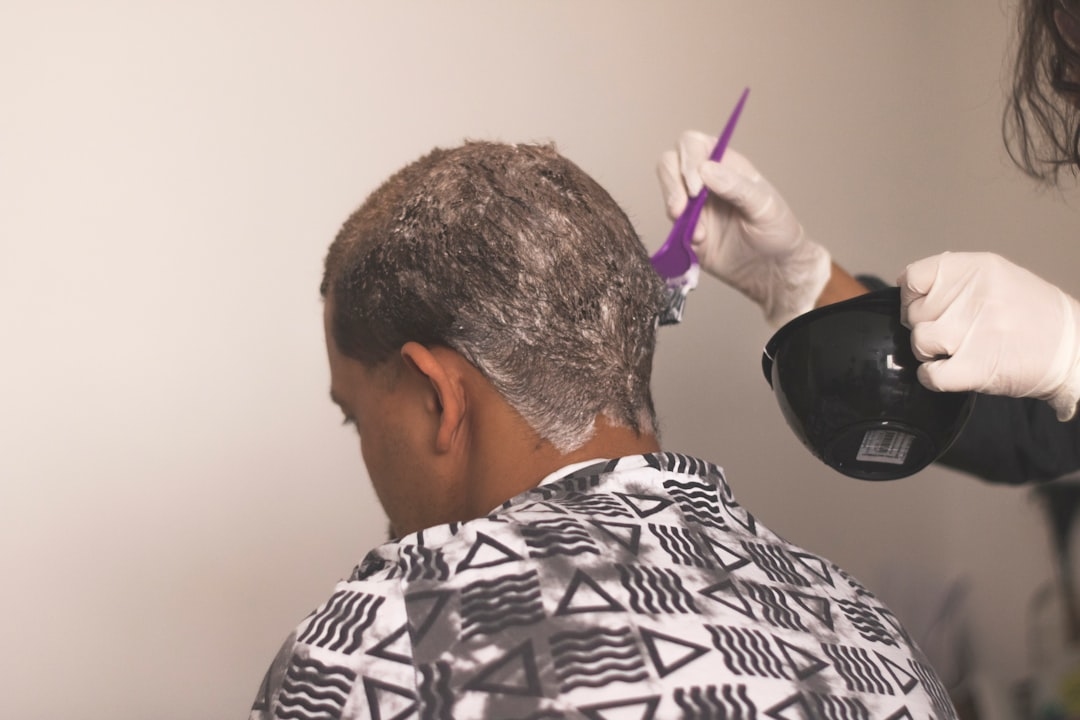
If you’ve left bleach on for 60+ minutes on virgin (previously unbleached) dark hair, expect some permanent structural damage. The hair may become brittle enough to snap during styling. Extremely long processing times (90+ minutes) can result in chemical cuts, where the hair literally breaks due to weakened protein bonds.
The risk escalates if your hair has been previously treated with colour, perm, or relaxer products. These already-compromised strands lighten faster (so you need less time) but also damage more easily. If you’re bleaching previously coloured hair, reduce your timing estimate by 5–10 minutes and monitor extra carefully.
Is It Ever Safe to Leave Bleach Overnight?
No. Leaving bleach on hair for 8+ hours causes severe damage even on resilient hair. A widely repeated myth suggests leaving bleach overnight achieves lighter results, but this is false and dangerous. Beyond approximately 60 minutes, the bleach-lightening process reaches a plateau—leaving it longer doesn’t yield significantly lighter hair, only more damage. Your best lightening results come from proper timing and multiple sessions if needed, not extended single applications.
Expert Insight: What Trichologists Recommend
According to Sarah Mitchell, an accredited trichologist at the British Institute of Trichology, “The most common mistake I see is clients conflating processing time with lightness. They think if 40 minutes gives them a certain shade, then 60 minutes will give them two more shades lighter. That’s not how chemistry works. After 45 minutes on most hair types with standard developer, you’re fighting diminishing returns. The hair suffers increasingly whilst the lightening plateaus. Smart lightening is planned across multiple sessions.”
This perspective reframes how to think about timing. If your target shade seems unreachable in one session, plan for two or three spaced 1–2 weeks apart. Each session lifts the hair further without accumulating the damage of one marathon bleaching marathon.
After Bleaching: What Comes Next Affects Your Timing Decision
The timing you choose also depends on your next step. If you’re applying a toner or colour immediately after bleaching, you may want to slightly under-process the bleach to ensure your toner deposits properly. Over-processed hair has an open cuticle that accepts colour unevenly, leading to patchy results. Professional colorists often leave hair slightly damper and slightly less lifted than the client’s ultimate goal, because the toning step will shift the shade further.
If you’re leaving the hair lightened but untoned, you have more flexibility. Pale blonde hair looks very yellow before toning, which is normal. This is where timing precision matters less and toning matters more—but you still want to avoid over-processing since no amount of toner fixes structural damage.
Seasonal Calendar for Bleaching Sessions
Planning your bleach timing around seasons optimises conditions and results:
- January–February: Avoid if possible. Winter heating creates dry conditions, and cold temperatures slow processing. If bleaching is essential, add 5 minutes to standard times and use intensive conditioners beforehand.
- March–May: Ideal window. Moderate temperatures, lower heating requirements, and fewer competing stressors on the hair. First-time bleaching is best done in spring.
- June–August: Warm conditions speed processing. Reduce timing by 3–5 minutes. Water is often warmer, which accelerates lightening. Risk of sun damage increases, so UV-protective hair products become essential post-bleach.
- September–November: Good conditions, similar to spring. Processing times follow standard recommendations reliably.
- December: Generally avoid. Holiday stress, heating systems working hard, and the start of dry winter season make this the worst month for bleaching.
Frequently Asked Questions
How long should I leave bleach in my hair if I have sensitive skin?
Use a lower-volume developer (10-volume instead of 20 or 30) and plan for longer processing times—add 10–15 minutes to standard recommendations. Alternatively, ask a professional stylist to apply the bleach, as they can be more precise about placement away from the scalp. If your scalp is genuinely sensitive to bleach chemicals, only leave bleach on for the absolute minimum time needed to achieve your desired lift, typically 25–30 minutes, and have a professional patch test first.
Can I leave bleach in longer to avoid having to do multiple sessions?
Technically possible, but inadvisable. Extending one session to 70 minutes instead of doing two 40-minute sessions will damage your hair far more severely. Multiple sessions spaced 2 weeks apart give the hair recovery time between applications. The cumulative damage of two shorter sessions is significantly less than one extended session achieving the same lightness. Patience with multiple sessions is always preferable to one intensive bleaching.
Does hair colour affect how long I should leave bleach on?
Yes, substantially. Red or copper-toned hair (naturally high in a red pigment called pheomelanin) can require slightly less time—as little as 25–30 minutes—because red pigment is lighter than brown or black. Ash-toned or grey hair varies: if genuinely grey (no pigment), bleach does almost nothing; the hair is already light. If your grey has warm undertones, standard timing applies.
Is there a maximum safe time to leave bleach on hair?
Practically speaking, 45–50 minutes is the absolute maximum for virgin hair in one application, and this is only appropriate for very dark, healthy hair. For previously bleached or treated hair, 30–40 minutes is the safe ceiling. Beyond these limits, the risk of severe, potentially permanent damage rises rapidly. Professional stylists rarely exceed 50 minutes because the damage-to-benefit ratio becomes indefensible.
Do I need to add time if I’m bleaching thick or curly hair?
Curly hair typically processes slightly slower than straight hair because the curl structure creates microscopic air gaps between the hair and bleach mixture, reducing full contact. Add 5–10 minutes to standard timing for curly or very textured hair. Thick hair (high density of strands on the scalp) processes at normal speed per strand, but achieving even lightness across your entire head takes patience. Work in small sections, and reapply bleach to older sections at the 15-minute mark to maintain even processing.
Final Thoughts: Precision, Patience, and Your Best Results
Knowing how long to leave bleach in hair is the foundation of successful lightening, but knowledge alone isn’t enough. The difference between beautiful, healthy-looking blonde and damaged, brittle hair often comes down to respecting processing times, monitoring actively, and resisting the temptation to extend sessions beyond professional recommendations.
Start with a strand test. Use a timer. Check your hair every 5–10 minutes after the 20-minute mark. Think seasonally and adjust for your environment. If you’re unsure, book a professional consultation—many salons offer free colour consultations where a stylist can assess your hair, predict processing times specific to your situation, and even provide a custom plan across multiple sessions. Your hair will thank you for the care and precision.



Add Comment