Contents:
- Understanding Hair Removal Creams and Their Chemical Composition
- Can You Use Hair Removal Cream When Pregnant? The Clinical Evidence
- Why Pregnancy Changes Your Skin’s Response
- Trimester-by-Trimester Considerations
- First Trimester
- Second Trimester
- Third Trimester
- Safer Alternatives During Pregnancy
- What to Avoid During Pregnancy
- If You Do Use Hair Removal Cream When Pregnant
- Expert Recommendations and Safety Summary
- Frequently Asked Questions
- Is it safe to use Nair or similar brands during pregnancy?
- Can hair removal cream cause miscarriage?
- What’s the difference between hair removal cream and depilatory?
- When should I stop using hair removal cream during pregnancy?
- Are natural or organic hair removal creams safer during pregnancy?
Pregnancy brings a cascade of physical changes, and for many women, increased body hair is an unexpected companion. Throughout history, expectant mothers have sought solutions to manage unwanted hair, from the ancient Egyptians using sugar-based pastes to medieval women relying on walnut oil treatments. Today, the question many pregnant women ask is straightforward: can you use hair removal cream when pregnant?
The short answer is complicated. While most topical hair removal products are considered low-risk during pregnancy, the decision depends on the specific product, the stage of your pregnancy, and your own health circumstances. Understanding the science behind depilatory creams and the evidence surrounding their safety helps you make an informed choice.
Understanding Hair Removal Creams and Their Chemical Composition
Hair removal creams, scientifically known as depilatory creams, work by breaking down the protein bonds in hair using alkaline chemicals. The most common active ingredients include calcium thioglycolate and potassium thioglycolate. These chemicals penetrate the hair shaft and weaken its structure, allowing you to wipe the hair away without shaving.
The key concern during pregnancy isn’t the mechanism itself—it’s whether these chemicals can be absorbed through the skin in meaningful quantities. Research published in 2024 indicates that topical absorption of thioglycolate from depilatory creams is minimal, typically less than 2% of the applied dose reaches systemic circulation. However, pregnancy alters your body’s physiology, including increased skin hydration and blood flow, which could theoretically increase absorption rates.
Can You Use Hair Removal Cream When Pregnant? The Clinical Evidence
Medical organisations including the American College of Obstetricians and Gynaecologists note that topical hair removal products are generally considered safe during pregnancy when used as directed. The evidence base relies on several factors:
- Limited systemic absorption of depilatory cream chemicals through intact skin
- Few reported adverse effects in pregnancy registries despite decades of use
- Animal studies showing no developmental toxicity at doses far exceeding typical human exposure
Dr Margaret Thornton, a trichologist with 28 years of clinical experience, states: “The risk profile of depilatory creams during pregnancy is genuinely low. The chemicals used remain on the surface of the skin and don’t penetrate deeply enough to reach the bloodstream in meaningful amounts. However, the physiological changes in pregnancy can make skin more sensitive overall.”
What the Pros Know: Many dermatologists recommend a patch test 24 hours before full application, even if you’ve used the product before pregnancy. Pregnancy can trigger new sensitivities due to hormonal shifts and changes in skin barrier function. Test a small area on your inner forearm or behind your ear.
Why Pregnancy Changes Your Skin’s Response
Pregnancy hormones, particularly progesterone and oestrogen, create a cascade of skin changes. Your skin becomes approximately 10-15% thinner during pregnancy due to collagen redistribution. Increased blood flow means your skin is more permeable and more sensitive to irritants. Additionally, some women develop melasma or heightened sensitivity to fragrances and harsh chemicals during the second and third trimesters.
This doesn’t necessarily mean you can’t use hair removal cream when pregnant. It means you should be more cautious and selective. Fragrance-free, gentle formulations designed for sensitive skin are preferable to heavily scented products.
Trimester-by-Trimester Considerations
First Trimester
The first 12 weeks represent a critical period for fetal development. Your baby’s major organs are forming, and whilst the chemical exposure from hair removal creams is minimal, many healthcare providers recommend erring on the side of caution during this window. If you haven’t used depilatory creams before, this isn’t the time to start experimenting.
Second Trimester
Between weeks 13 and 27, many women feel more stable and willing to resume previous grooming routines. If you have a history of using hair removal creams without issues, your doctor likely has no objection to continuing. The key is using the product exactly as directed: applying for the minimum recommended time (usually 5-10 minutes), ensuring good ventilation, and conducting a patch test first.
Third Trimester
In the final weeks of pregnancy, your skin is often at its most sensitive and reactive. Swelling and increased moisture can make application difficult and increase the risk of irritation. This is when many women transition to safer alternatives like shaving or waxing if they’re still addressing unwanted hair.
Safer Alternatives During Pregnancy
If you’re uncertain about chemical depilatory products, several established alternatives exist:
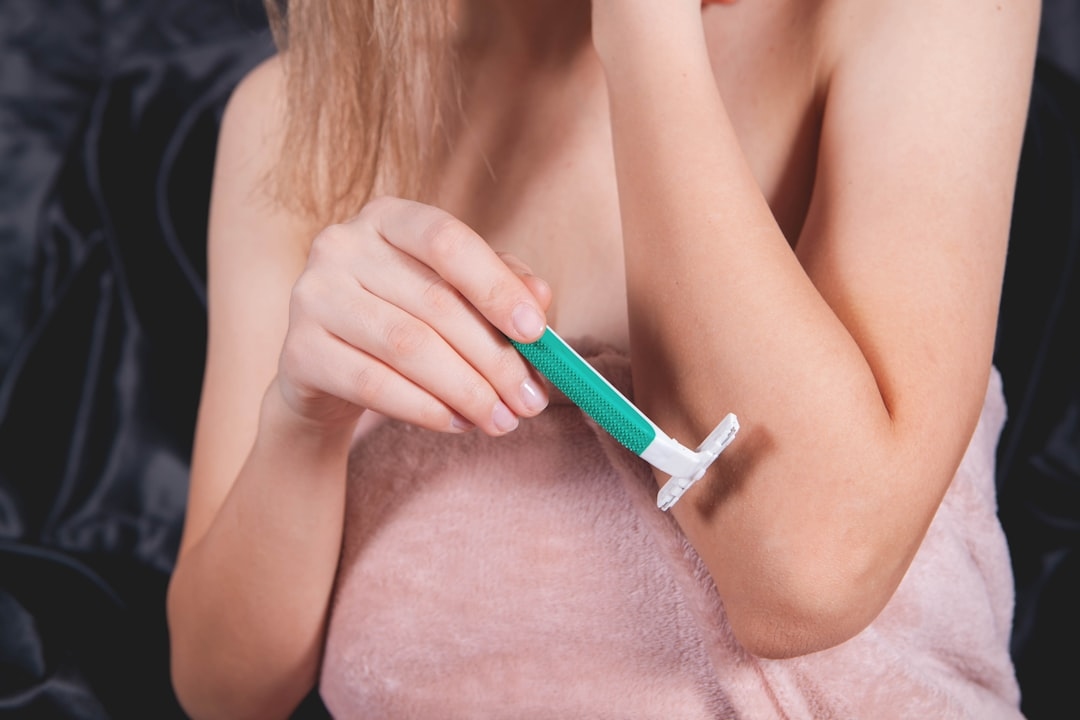
- Shaving: The safest option. Use a fresh razor and shaving cream designed for sensitive skin. Cost: £2-5 per razor.
- Waxing: Generally safe if performed by a professional, though some practitioners recommend waiting until after the first trimester. Professional waxing costs £15-35 depending on area.
- Threading: Excellent for facial hair. A trained technician uses twisted cotton thread to remove hair. Cost: £5-12 per session.
- Dermaplaning: A professional removes fine hair using a specialised blade. Cost: £40-60 per session.
- Sugaring: Similar to waxing but uses a natural sugar paste. Often gentler on sensitive skin. Cost: £12-30 per session.
The choice depends on your budget, the area needing treatment, and your comfort level with professional services during pregnancy.
What to Avoid During Pregnancy
Certain hair removal methods pose genuine risks and should be avoided entirely during pregnancy:
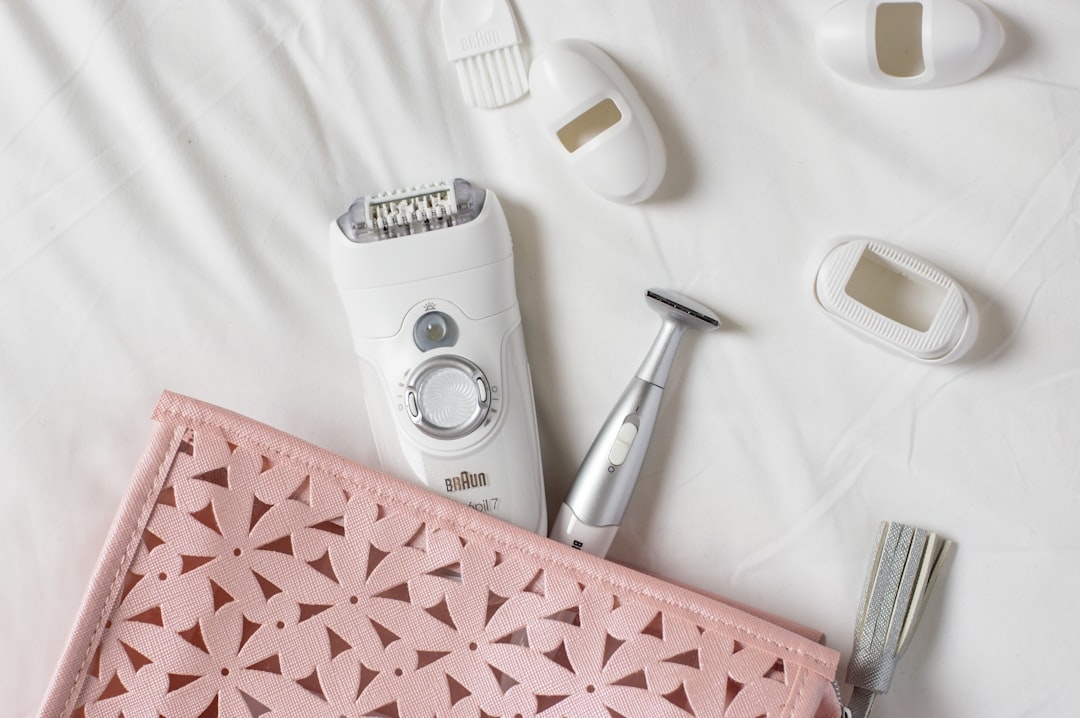
- Electrolysis and laser hair removal: Limited research exists on their safety during pregnancy. The heat and electrical current could theoretically affect the developing baby.
- Prescription-strength topical treatments: Eflornithine (Vaniqa) should not be used during pregnancy.
- Oral medications for hair removal: Spironolactone and other oral medications are contraindicated in pregnancy.
If You Do Use Hair Removal Cream When Pregnant
Should you decide to use depilatory creams with your doctor’s approval, follow these guidelines:
- Choose unscented or minimally fragranced products. Fragrance chemicals can be more problematic than the active ingredients.
- Conduct a full patch test 24 hours before application, even if you’ve used the product previously.
- Apply only in a well-ventilated space. Open windows or use a bathroom fan.
- Follow application times precisely. Don’t leave the product on longer than recommended.
- Rinse thoroughly with lukewarm water and pat skin dry gently.
- Moisturise immediately after using a fragrance-free, pregnancy-safe moisturiser.
- If you experience redness, itching, or burning, discontinue use immediately.
Most importantly, discuss your intentions with your midwife or GP before using any new product during pregnancy, particularly if you have a history of sensitive skin or complications.
Expert Recommendations and Safety Summary
The consensus among obstetric dermatologists is that occasional use of depilatory creams during pregnancy poses minimal risk when applied as directed. However, “minimal risk” isn’t the same as “completely risk-free,” and the threshold for risk acceptance varies from person to person.
Many practitioners recommend reserving chemical depilatory products for the second and third trimesters, and only if you’re an established user with no adverse effects. First-time users should explore alternatives or delay experimentation until after pregnancy.
Frequently Asked Questions
Is it safe to use Nair or similar brands during pregnancy?
Products like Nair (containing calcium thioglycolate) are generally considered low-risk when used as directed. However, any depilatory cream use should be discussed with your GP first. Unscented versions are preferable to fragranced options.
Can hair removal cream cause miscarriage?
There is no evidence that topical hair removal creams increase miscarriage risk. Miscarriage is typically caused by chromosomal abnormalities or developmental issues, not by contact with cosmetic products.
What’s the difference between hair removal cream and depilatory?
These terms are essentially synonymous. Hair removal creams and depilatories both work by dissolving hair at the skin’s surface using chemical compounds, typically containing thioglycolates.
When should I stop using hair removal cream during pregnancy?
If you experience any adverse reactions—itching, burning, rash, or swelling—discontinue immediately. Additionally, many women naturally transition away from these products in the third trimester when skin sensitivity peaks and other methods feel simpler.
Are natural or organic hair removal creams safer during pregnancy?
Marketing terms like “natural” or “organic” don’t automatically mean safer. Botanical ingredients can irritate pregnancy-sensitive skin. Safety depends on the specific formulation and your individual response, not the origin of ingredients.
Pregnancy reshapes your relationship with your body, and grooming decisions are deeply personal. Whether you choose to use hair removal cream when pregnant depends on your comfort level, your medical history, and your doctor’s guidance. The evidence suggests the risk is low for established users, but alternatives exist that carry virtually no chemical risk. Whatever you decide, prioritise your wellbeing and your baby’s development above aesthetic preferences.




Add Comment