Contents:
- What is FUE Hair Transplant?
- How Does FUE Work? The Step-by-Step Process
- Extraction Phase
- Graft Preparation
- Recipient Site Creation
- Implantation
- Why Choose FUE Over Traditional Methods?
- Scarring and Recovery
- Natural Results
- Results and Timeline
- Candidate Suitability and Realistic Expectations
- Cost Breakdown for UK Patients
- Sustainability and Long-Term Maintenance
- One Patient’s Story
- Potential Complications
- FAQ: Common Questions About FUE Transplants
- How many grafts do I need?
- Is FUE painful?
- Can women get FUE?
- How long before I can return to work?
- Will transplanted hair fall out?
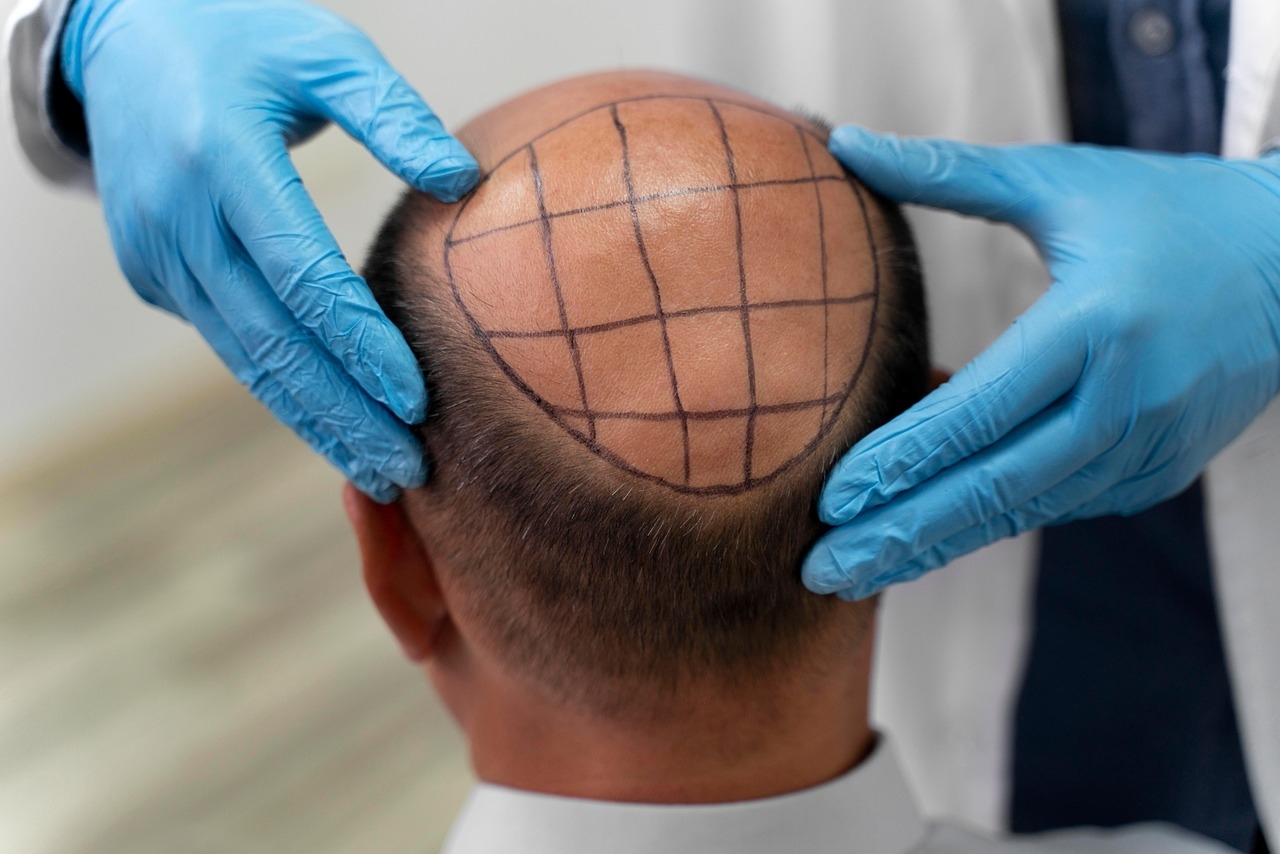
Imagine a professional footballer walking into a clinic, settling into a comfortable chair, and leaving 8 hours later with newly implanted hair that will grow naturally for the rest of his life. This scene plays out thousands of times each year for people choosing FUE hair transplants. FUE—Follicular Unit Extraction—is one of the two most popular surgical solutions for permanent hair loss, and understanding how it works transforms the way you think about restoring your hairline.
What is FUE Hair Transplant?
FUE is a minimally invasive surgical technique where individual hair follicles are extracted one at a time from a donor area (usually the back of the scalp where hair is thicker and more permanent) and transplanted into bald or thinning areas. Unlike older methods, FUE leaves no linear scar, making it ideal for people who like shorter hairstyles or want discretion about their procedure.
The procedure works because transplanted hair retains the genetic properties of its original location. Hair from the back of your head is naturally resistant to the hormone DHT (dihydrotestosterone), which causes pattern baldness. When moved to the front or crown, these follicles continue to thrive, growing normally for decades.
How Does FUE Work? The Step-by-Step Process
Extraction Phase
A surgeon uses a precision motorised punch tool (typically 0.8–1.25mm in diameter) to extract individual follicular units from donor areas. The punch creates a small circular opening around the follicle, which is then carefully removed with tweezers under magnification. A skilled surgeon performs between 1,000 to 4,000 extractions in a single session, depending on the area’s size and density. This process takes 4-6 hours for a typical procedure.
Graft Preparation
Once extracted, grafts are immediately placed in a chilled preservation solution at 4°C. This maintains follicle viability—hair roots can survive safely for up to 12 hours in proper conditions. Technicians then examine each graft under magnification to ensure quality. A typical graft contains 1-4 hair follicles; a larger transplant might involve 2,000-3,000 grafts (6,000-10,000 individual hairs).
Recipient Site Creation
The surgeon creates thousands of tiny incisions in the balding area, precisely angled and spaced to match your natural hair growth pattern. This step is critical—poor angulation creates an unnatural appearance. Surgeon expertise here determines whether your result looks like a transplant or like your hair always grew there.
Implantation
Each graft is carefully inserted into a recipient site. The surgical team works methodically, implanting grafts in patterns that restore density gradually (front to back, naturally). The entire process—extraction, preparation, site creation, and implantation—takes 8-10 hours total.
Why Choose FUE Over Traditional Methods?
Scarring and Recovery
FUE’s biggest advantage is the absence of a linear scar. The older FUT (Follicular Unit Transplantation) method removes a strip of scalp, requiring stitches and leaving a noticeable line that can limit hairstyle choices. FUE leaves only tiny dots at extraction sites, invisible to the naked eye once healed. Recovery is faster too—most people return to normal activities within 1-2 weeks, whereas FUT requires 2-3 weeks. However, the trade-off is cost: FUE typically runs £4,000-8,000+ in the UK, compared to £2,500-5,000 for FUT.
Natural Results
Because FUE allows precise control over angle, depth, and spacing, results appear more natural. Hair grows in the exact direction and pattern of your original hair. Each graft placement is individually planned, whereas FUT sometimes creates a “pluggy” appearance if not performed by an expert.
Results and Timeline
Patience is essential. Transplanted hair falls out within 2-4 weeks—a normal phenomenon called “shedding.” Don’t panic; the follicle remains alive beneath the skin. New growth begins around month 3-4, with noticeable thickening by months 4-6. Full results take 12-18 months, as hair gradually fills in and thickens. By month 18, you’ll see your final density and appearance. Growth continues indefinitely; transplanted hair lives as long as your original hair would have.
Candidate Suitability and Realistic Expectations
FUE works best for people with adequate donor hair density, realistic expectations, and early-stage hair loss (Norwood scales 2-5). If you’re completely bald across the entire scalp, traditional transplantation cannot create the density you had at age 20—there simply isn’t enough donor hair to harvest. A trichologist or surgeon consultation clarifies what’s achievable for your specific situation.
James Richardson, Head Trichologist at the London Hair Institute, notes: “FUE is transformative for early to moderate hair loss, but patients often underestimate the time required to see results. Starting transplantation at age 35-40, when pattern is established and expectations are realistic, typically yields the best psychological outcomes.”
Cost Breakdown for UK Patients

Pricing varies significantly by clinic and surgeon experience. A typical FUE transplant of 2,000 grafts (approximately 6,000 hairs) costs between £5,000-8,000 in private UK clinics. Reputable surgeons with 10+ years’ experience and artistic reputation often charge £8,000-12,000. Budget clinics may advertise £2,000-3,000 procedures, but these often involve less experienced teams and potentially lower success rates. The NHS rarely covers hair transplants for cosmetic baldness, though exceptions exist for certain conditions (burn victims, alopecia areata scarring).
Cost Breakdown Example:
- Consultation: £150-300
- Procedure (2,000 grafts): £5,000-8,000
- Follow-up sessions: Usually included
- Medications (minoxidil, finasteride): £200-400 annually
Sustainability and Long-Term Maintenance
Hair transplants are sustainable, but maintenance matters. Transplanted hair can last 15+ years, often for life. However, non-transplanted hair continues thinning if you carry the hair-loss gene. Many patients benefit from combining transplantation with medical treatments like finasteride (Propecia, £40-80 monthly in the UK) or minoxidil to slow further loss and maximize overall density.
From an eco-friendly perspective, FUE generates minimal waste—no chemical peels, no synthetic implants—just your own biological hair being relocated. The only significant environmental consideration is the energy used during the 8-10-hour procedure and travel to the clinic.
One Patient’s Story
Marcus, 42, a marketing manager from Bristol, had receded significantly by his late 30s. “I avoided hats, photos, everything,” he recalls. After consulting three surgeons, he chose a highly-reviewed private clinic and underwent FUE in March 2025. His result by December 2025 was a fuller hairline with density that looked entirely natural. “The procedure itself was painless—more tedious than anything else, sitting still for 9 hours. The recovery was straightforward. Six months in, I could see the difference, and at a year, I genuinely forgot I’d had it done. It’s just my hair now.”
Potential Complications
FUE is generally safe, but complications can occur. Infection rates are below 1% with proper aftercare. Scarring from extraction sites is usually invisible, though 2-3% of patients report visible scarring if they cut hair very short. Shock loss—temporary thinning of existing hair—occurs in some patients but typically reverses within 3-6 months. Graft survival rates typically range from 85-95% in experienced hands; this figure drops with inexperienced surgeons or poor aftercare.
FAQ: Common Questions About FUE Transplants
How many grafts do I need?
This depends on your baldness extent, hair colour, density, and aesthetic goals. A small hairline restoration might need 500-1,000 grafts, while full crown coverage could require 3,000-4,000. Your surgeon calculates this during consultation.
Is FUE painful?
No. Local anaesthetic numbs the donor and recipient areas completely. You feel pressure and hear the motorised punch, but not pain. Post-operative discomfort is mild—mostly managed with paracetamol.
Can women get FUE?
Yes, though fewer women pursue it. Female pattern baldness is sometimes less suitable for transplantation because diffuse thinning across the entire scalp means less stable donor areas. However, women with localised thinning or frontal hairline recession are excellent candidates.
How long before I can return to work?
Most people return to desk jobs within 3-5 days. If your job involves physical labour, sweat, or tight helmets, wait 2-3 weeks to avoid infection risk.
Will transplanted hair fall out?
Yes, initially (within 2-4 weeks), but this is normal. The follicle remains alive, and new growth begins in month 3-4. Long-term, transplanted hair is permanent and lasts the same duration as your original hair would.
FUE has revolutionised hair restoration over the past decade. If you’re considering it, prioritise surgeon experience, realistic expectations, and a thorough consultation. The procedure requires patience—full results take 18 months—but for many people, it delivers transformative confidence. Combined with preventative medications like finasteride, FUE offers a pathway to maintaining density and appearance well into your future.




Add Comment