Contents:
- Understanding the French Braid Basics
- How to French Braid Your Own Hair Two Sides: The Foundation
- Setting Up Your First Braid
- The Crossing Motion and Hair-Adding Technique
- Tackling the Second Braid
- Regional Variations and Styling Traditions
- Common Mistakes and How to Avoid Them
- Tension Issues
- Losing the Part Line
- Adding Too Much Hair at Once
- Tools and Products That Make a Difference
- Finishing and Styling Your Two-Sided Braids
- Maintenance and How Long the Style Lasts
- Practice Tips for Faster Mastery
- Frequently Asked Questions
- Moving Forward With Your New Skill
French braiding both sides of your head creates a dramatic, polished look that feels like a trip to the salon without leaving home. This symmetrical style has graced red carpets and everyday school runs alike, yet many people assume it requires professional help or years of practice. The truth is simpler: with the right approach and a bit of repetition, anyone can master how to french braid your own hair two sides.
Understanding the French Braid Basics
A french braid differs fundamentally from a standard three-strand braid. Rather than braiding three separate sections, a french braid incorporates additional hair as you work downward, creating a braid that sits closely against the scalp. This incorporated technique requires coordination between your hands and a steady rhythm—but once your hands understand the motion, the rest follows naturally.
The technique involves three primary components: the outer strands (which frame your face), the crossing motion (which weaves the hair together), and the feeding action (which adds new hair to the braid). Understanding how these three elements work together prevents the common begrudge people experience when learning this style.
How to French Braid Your Own Hair Two Sides: The Foundation
Before attempting side-by-side braids, you need clean, slightly damp hair with some texture. Completely dry hair slips too easily, whilst soaking wet hair clumps and becomes difficult to manage. The sweet spot is hair that’s been lightly misted with water or styled after a shower but has dried enough to hold shape.
Start by parting your hair directly down the centre, from your forehead to the nape of your neck. Use a fine-tooth comb to ensure a clean separation. This centre part is your anchor—it keeps both braids balanced and prevents the style from looking lopsided. Take a moment to smooth each section; this prevents frizz and flyaways from interfering with your braiding.
Setting Up Your First Braid
Begin on one side (most people find their dominant hand’s side easier). Take a section of hair roughly 2-3 inches wide from the hairline, just above your temple. This section should sit close to the part line. Divide this into three strands of roughly equal thickness.
Hold the strand closest to your face with your thumb and index finger on your dominant hand. Use your other hand to control the middle and back strands. This hand placement matters: your non-dominant hand (the one holding the back strands) does most of the work. Many beginners reverse this and wonder why their hands feel awkward.
The Crossing Motion and Hair-Adding Technique
Cross your front strand over the middle strand. Then cross the back strand over the new middle. This is standard three-strand braiding. The moment after your back strand becomes the middle strand, pick up a small section of loose hair from the side of your head (roughly the width of a pencil) and incorporate it into that back strand before crossing it over.
The feeding action—grabbing new hair and adding it to a strand before crossing—is what makes this a french braid rather than a regular braid. Most people’s first instinct is to add hair continuously, but actually, you only add hair to the strand that’s moving to the back of the braid, not to every strand in every rotation. This prevents the braid from becoming too thick and unwieldy.
Work downward, always adding hair from the outer edge (the side of your head, not the centre part). Stop adding new hair once you reach the nape of your neck, then continue with a standard three-strand braid for the remaining length. Secure the end with a small elastic band.
Tackling the Second Braid
The second braid mirrors the first, but psychology often makes it trickier. Your non-dominant hand is now doing unfamiliar work. Give yourself grace here. The first five attempts at the second braid will feel clumsy; the technique doesn’t truly settle until around the seventh or eighth try.
Use the exact same process: section off hair from the temple, establish your three strands, cross front over middle, then back strand (now with new hair added) over the new middle. The rhythm remains identical. The only variable is your hand’s familiarity with the non-dominant-side motion.
Many people find it helpful to practice the second braid separately before attempting both braids in sequence. Spend a few practice sessions doing just the non-dominant side. This builds muscle memory faster than alternating sides.
Regional Variations and Styling Traditions
Interestingly, the popularity of two-sided french braids varies significantly across the UK and beyond. In the Northeast and parts of Scotland, tighter, more geometric braids have traditionally been preferred for formal occasions, with many salons styling them to sit quite close to the scalp for a refined, structured look. The South West and coastal regions favour looser, more romantic interpretations, often incorporating small braids within the larger braids or leaving face-framing wisps intentionally undone.
On the West Coast, including Wales, there’s a trend toward asymmetrical double braids—where one braid is slightly thicker or positioned differently than the other. These regional preferences don’t affect the fundamental technique, but they do explain why you might see variations in how this style appears in different areas. Understanding your regional aesthetic preference can help you decide how tightly to braid and whether you prefer a geometric or romantic finish.
Common Mistakes and How to Avoid Them
Tension Issues
Uneven tension is the most frequent culprit behind lopsided braids. If one braid looks tighter than the other, it’s usually because you’re pulling harder with your non-dominant hand. Consciously loosen your grip slightly; aim for a tension where you can comfortably slide your pinky finger under the braid. Practise this repeatedly until it becomes automatic.
Losing the Part Line
As you braid, hair naturally shifts and blurs the centre part. Every three rotations of your braid, pause and check the part line. Use a fine-tooth comb to re-establish it if needed. This prevents hair from the other section accidentally mixing in.
Adding Too Much Hair at Once

A thick chunk of hair added in one go creates a visible lump in the braid. Instead, take hair in very small sections—roughly the thickness of your pinky finger. This creates a smooth, even braid rather than a bumpy one. Smaller, more frequent additions also help the hair feed smoothly into the existing braid.
Tools and Products That Make a Difference
Invest in a quality brush with a fine-tooth comb attachment. A wide-tooth comb alone won’t create a sharp enough part, and your braids will look less precise. Budget around £8-15 for a decent dual-purpose comb from chemists or supermarkets.
A light texturising spray (available from most beauty retailers for £6-12) adds grip to hair and prevents slipping. Spray lightly before parting and again before braiding. Avoid heavy products like oils or serums before braiding; save those for finishing.
Small, clear elastic bands work better than coloured ones for securing braids, as they disappear into the hair. A pack of 50 costs around £2-3 and lasts months. Avoid metal-edged elastics, which snag and break hair.
Finishing and Styling Your Two-Sided Braids
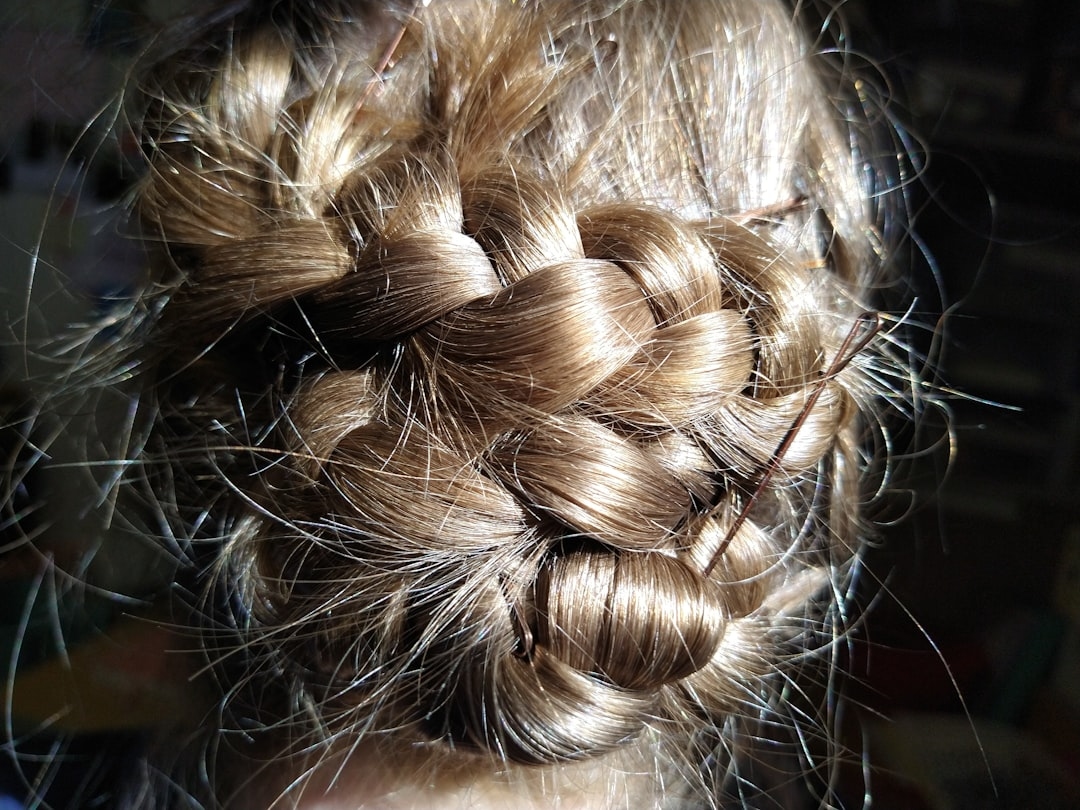
Once both braids are complete and secured, you have several finishing options. For a tighter, more formal look, spray lightly with hairspray and you’re done. For a romantic, textured appearance, gently pull on each braid section to loosen and soften it. Start at the top and work downward, tugging on each small section. This transforms a neat braid into something fuller and more whimsical.
Alternatively, wrap the braids around the back of your head and secure them with bobby pins, creating a crown effect. This works particularly well if your hair is shoulder-length or longer. Pin the right braid across the back of your head, then wrap the left braid on top, securing both with pins that match your hair colour.
For extra polish, release a few thin strands from the front section of each braid before you secure it, leaving them to frame your face. This softens the overall style and adds movement.
Maintenance and How Long the Style Lasts
A well-executed two-sided french braid lasts 24-48 hours, depending on your hair texture and activity level. Thick, coarse hair tends to hold the style longer, whilst fine hair may loosen after a day of movement. Sleep on a silk pillowcase to reduce friction and extend the braid’s lifespan. Silk slides against hair rather than gripping it, which prevents frizz and loosening.
By day two, you can refresh the style by gently re-tightening any loose sections and re-spraying with a light texture spray. Some people find the slightly messy, second-day version even more attractive than the freshly-braided version.
Practice Tips for Faster Mastery
Dedicate five consecutive days to practice, spending 10-15 minutes each day. This is significantly more effective than a single lengthy session. Your brain consolidates motor skills during sleep, so daily practice allows your hands to build stronger muscle memory.
Film yourself or use a mirror on both sides so you can see exactly what your hands are doing. Many people braiding their own hair can feel what’s happening but can’t see it, which delays learning. Visual feedback—even on a phone screen—accelerates progress dramatically.
Start slowly and resist rushing. Speed comes naturally once your hands understand the motion. Beginners who rush make mistakes that require undoing and re-doing, which wastes time. A careful, slow braid takes 5-7 minutes; a rushed, mistake-filled one takes 12-15.
Frequently Asked Questions
How long does it take to learn how to french braid your own hair two sides?
Most people can complete a passable version within 15-20 minutes of instruction, but truly comfortable execution typically requires 5-7 full practice sessions. Muscle memory develops gradually. By your tenth attempt, the motion feels almost automatic.
Can you french braid very fine or thin hair?
Yes, but you’ll need to use slightly larger initial sections and add hair more conservatively. Fine hair shows the braid structure more clearly, which can actually look quite elegant. Use minimal product to avoid weighing hair down, and ensure your hair has slight texture (not completely straight) before starting.
What’s the difference between a french braid and a dutch braid?
In a french braid, you cross strands over the middle. In a dutch braid, you cross strands under the middle. Dutch braids sit more prominently on the scalp and are slightly more textured in appearance. Both can be done on two sides using identical learning techniques.
Is it easier to french braid someone else’s hair or your own?
Most people find braiding someone else’s hair considerably easier initially because they can use both hands freely and see exactly what they’re doing. However, once you master your own hair, you’ve built stronger technique because you’ve had to overcome the visual and spatial challenges. Your own-hair braiding skill typically becomes superior after 10-12 sessions.
Can you french braid your own hair if it’s curly or textured?
Absolutely. Curly and textured hair actually grips better during braiding, making the style easier to execute and longer-lasting. Use a light leave-in conditioner rather than standard styling products, and consider braiding slightly damp (not soaking wet) curls for the smoothest result. The texture adds dimension that makes double braids look particularly striking.
Moving Forward With Your New Skill
Mastering how to french braid your own hair two sides opens a surprising number of styling possibilities. Once the basic technique feels solid, you can experiment with variations: tighter braids for exercise or movement, looser braids for everyday wear, crown braids that wrap around your head, or asymmetrical placements. The foundation you’re building right now is the platform for all these variations.
Start with the commitment to five consecutive days of practice. Set aside 15 minutes each evening, film yourself for visual feedback, and focus on smooth, slow movements rather than speed. By the end of that week, you’ll have completed the fundamental learning curve. From there, the style becomes something you can execute reliably whenever you choose. That’s the real goal: not perfection on day one, but genuine capability that lasts.


Add Comment