
Contents:
- What Biotin Actually Does in Your Hair
- Biotin Deficiency and Hair: The Real Connection
- Does Biotin Help Hair Growth in People Without Deficiency?
- How Much Biotin Should You Take?
- Cost Breakdown: Biotin Supplementation
- How Long Does It Take to See Results?
- Biotin Works Best When Combined With These Habits
- Nutrition: The Foundation
- Scalp Care and Massage
- Stress Management
- Minimising Heat and Chemical Damage
- Real Results: A Reader Story
- Who Benefits Most From Biotin Supplementation?
- Does Biotin Cause Side Effects?
- FAQ: Answering Your Biotin Questions
- How quickly does biotin work on hair?
- Can biotin regrow hair that’s already been lost?
- Should I take biotin if I eat a normal diet?
- Does biotin cause hair growth in unwanted places?
- Can I take biotin with other supplements or medications?
- Beyond Biotin: A Holistic Hair Strategy
Run your fingers through your hair. Feel that texture? The subtle thickness? Now imagine feeling it thicken even more over the next few months—fuller strands, less shedding, more shine. That’s the promise biotin carries, whispered in beauty aisles, mentioned casually in salon chairs, scrolled past on wellness websites a hundred times over. But beneath the enthusiasm lies a reasonable question: does biotin help hair growth, or is it just another supplement we’re taking on faith?
The answer is more nuanced than yes or no. Biotin plays a specific, measurable role in hair health, but not always in the dramatic way the marketing suggests. This guide cuts through the noise and tells you what actually happens when you take biotin, how long you should expect to wait, and whether it’s worth adding to your routine.
Quick Answer
Biotin (vitamin B7) is essential for hair protein structure. Research shows it can strengthen hair and reduce shedding, particularly in people with biotin deficiency or certain hair conditions like alopecia. Most people see noticeable results within 3–6 months of consistent supplementation at 2.5 mg daily. Results vary significantly based on diet, genetics, and existing hair health.
What Biotin Actually Does in Your Hair
Biotin is a water-soluble B vitamin that functions as a coenzyme in protein metabolism. Hair is made primarily of a protein called keratin. Without enough biotin, your body struggles to synthesise keratin efficiently, which means the hair structure itself becomes weaker—more prone to breakage, less lustrous, slower to grow.
Think of biotin like the construction material in hair growth. You can have good genetic blueprints and excellent blood flow delivering nutrients to follicles, but if you’re short on this particular building block, the final product suffers.
Here’s what happens at the cellular level: biotin activates enzymes that break down amino acids (the building blocks of protein) and reassemble them into keratin. This process happens continuously as new hair cells form in the follicle root. When biotin levels are adequate, this process runs smoothly. When they’re deficient, the process stutters.
Biotin Deficiency and Hair: The Real Connection
Biotin deficiency is rare in developed countries because the vitamin appears in so many foods—egg yolks, almonds, salmon, sweet potatoes, spinach. The average UK adult gets around 30 micrograms daily from food alone, and the recommended daily intake is 30–100 micrograms.
However, certain people are at genuine risk: those with digestive disorders that limit nutrient absorption (like Crohn’s disease), people taking long-term antibiotics that disrupt gut bacteria, and anyone consuming raw egg whites in large quantities (a protein in raw eggs binds biotin and prevents absorption).
If you’re deficient, biotin supplementation delivers immediate, noticeable benefits. Hair becomes visibly stronger within 4–8 weeks. If you’re not deficient—if you’re eating a normal varied diet—the picture becomes more complicated.
Does Biotin Help Hair Growth in People Without Deficiency?
This is where the research gets honest. Multiple studies show that biotin supplementation can improve hair health markers even in people who aren’t clinically deficient. A 2015 study published in Dermatology Practical & Conceptual found that women taking 2.5 mg of biotin daily showed a 35% increase in hair strength after five months. More importantly, they experienced a statistically significant reduction in hair shedding.
A separate 2012 study in the Journal of Cosmetic Dermatology examined women with thinning hair. Those taking 2.5 mg biotin daily, combined with zinc and other minerals, showed improved hair growth and thickness compared to the control group after five months.
The catch: these improvements are most pronounced in people with existing hair weakness or shedding issues, not in people with perfectly healthy hair already. If your hair is strong, thick, and grows steadily, biotin supplementation won’t transform you into someone with visibly thicker hair. It maintains and optimises what you have.
For people with androgenetic alopecia (male or female pattern baldness), the evidence is more promising. Biotin doesn’t reverse genetic hair loss on its own, but it can slow shedding and strengthen remaining hair strands when combined with other treatments like minoxidil. A 2016 study found that women with female pattern hair loss who supplemented with biotin (plus other nutrients) experienced significantly better results than those taking other treatments alone.
How Much Biotin Should You Take?
The recommended daily intake for adults is 30–100 micrograms, easily achieved through diet. For hair support specifically, most research uses 2.5 mg (2,500 micrograms) daily—roughly 25–80 times the standard recommendation.
Here’s a practical breakdown of supplementation levels:
- 500–1,000 micrograms daily: Gentle maintenance dose. Suits people with healthy hair who want to optimise growth. Low risk of side effects.
- 2.5 mg daily: The research-backed dose for hair strength and shedding reduction. This is what most studies use. Effects become visible after 3–4 months.
- 5 mg or higher: Sometimes used in clinical settings for severe hair loss or alopecia. Requires medical supervision and isn’t necessary for general hair health.
Biotin is fat-soluble in some tissues but largely water-soluble overall, meaning excess amounts are excreted through urine. Toxicity is virtually unknown in humans—even studies using 10 mg daily for extended periods reported no adverse effects.
Cost Breakdown: Biotin Supplementation
High-street options vary considerably in price:
- Basic biotin tablets (2.5 mg, 60 count): £6–12
- Mid-range branded biotin with added vitamins: £12–20
- Premium biotin gummies or combo supplements: £15–25
- Prescription biotin (rarely needed): £8–15 on the NHS (if prescribed)
Effective supplementation costs roughly 5–15 pence per day, making it one of the cheapest targeted interventions for hair health. A three-month supply costs £15–50, depending on brand and format.
How Long Does It Take to See Results?
Patience is essential here. Hair growth happens slowly. The average human head grows about 15 centimetres of new hair per year, or roughly 1.25 centimetres per month. This means new hair cells created today won’t appear visibly at the scalp for several months.
Most people notice biotin’s effects in this rough timeline:
- Weeks 1–4: No visible change. Hair might feel slightly different (some report softer texture), but nothing dramatic.
- Months 2–3: Early signs. Reduced breakage. Fewer hairs in the shower drain. Nails may become stronger (biotin affects them similarly).
- Months 3–6: Visible thickness. New growth appears stronger. Overall hair density may increase slightly. Shine improves.
- Months 6+: Sustained benefits. Hair maintains improved strength and appearance if you continue supplementing.
Stop taking biotin, and most benefits plateau after 2–4 months. The improvement doesn’t disappear overnight, but the edge you gained gradually fades as your body’s biotin-dependent keratin production returns to baseline.
Biotin Works Best When Combined With These Habits
Biotin alone isn’t magic. It works optimally alongside other practices that support hair health. Think of it as one tool in a comprehensive routine.
Nutrition: The Foundation
Protein intake directly affects hair thickness. Hair follicles need amino acids to build keratin. Aim for 50–100 grams of protein daily depending on your body weight. Iron deficiency causes hair shedding; ensure you’re eating red meat, lentils, or fortified cereals twice weekly. Zinc deficiency correlates with alopecia; shellfish, beef, and pumpkin seeds are excellent sources.
A simple approach: ensure each meal contains protein, a dark leafy green (for iron and nutrients), and healthy fats (for hormone balance and nutrient absorption). This baseline nutrition makes biotin far more effective than biotin alone ever could.
Scalp Care and Massage
Blood flow to the scalp delivers nutrients to hair follicles. A three-minute daily massage using fingertips (not nails) stimulates circulation. Studies show regular scalp massage can increase hair thickness by improving follicle perfusion. Apply gentle, circular pressure to the entire scalp, focusing on areas where you notice thinning.
Stress Management

Chronic stress pushes hair into the telogen (shedding) phase prematurely. This is called telogen effluvium, and it’s temporary but noticeable. Exercise, meditation, or simply adequate sleep reduce cortisol levels and keep more hair in the growth phase where it belongs.
Minimising Heat and Chemical Damage
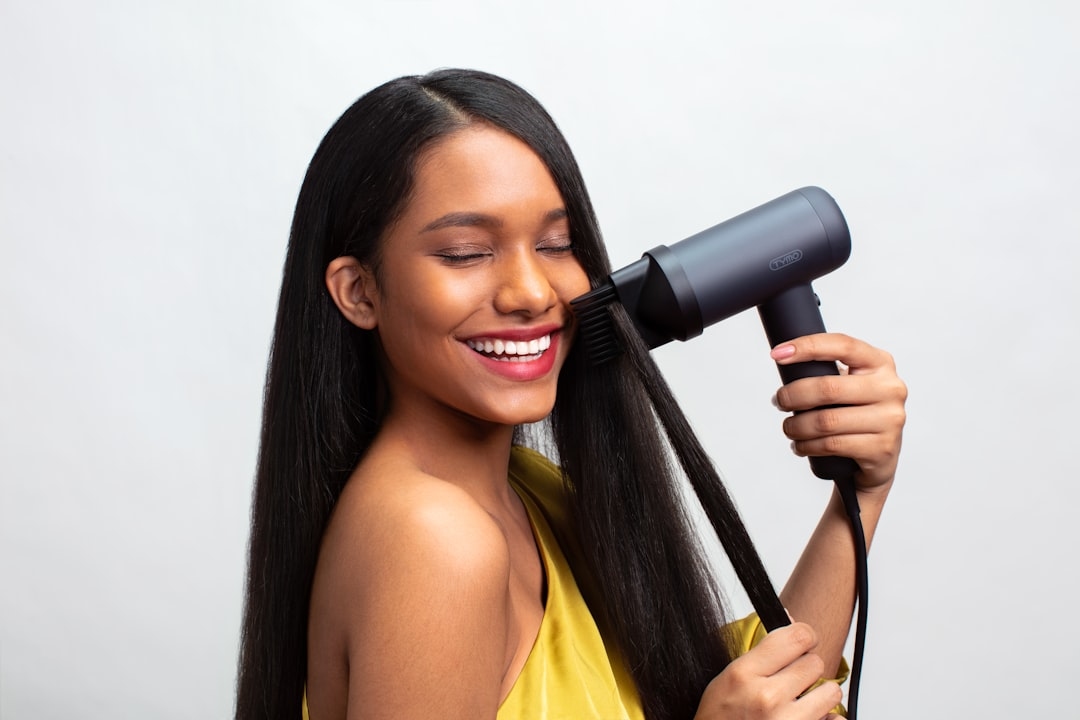
Biotin strengthens the internal structure of hair, but external damage still matters. Frequent blow-drying, straightening, or harsh chemical treatments weaken even biotin-boosted hair. Air-dry when possible, use heat protectant sprays before styling, and limit chemical services to every 8–12 weeks.
Real Results: A Reader Story
Sarah, 34, from Manchester, had always had fine, easily-breakable hair. After a stressful year at work, she noticed increased shedding—roughly 150 hairs daily instead of her normal 50–100. Her hairdresser suggested biotin. “I was sceptical,” she says, “but I was desperate.”
She started 2.5 mg biotin daily alongside her regular hair routine. No diet changes, no expensive treatments. After two months, she noticed less hair in her shower drain. By month four, her hairdresser commented that her hair felt thicker. Six months in, she saw genuine density improvement and shorter recovery time after blow-drying damage. “My hair doesn’t snap off as easily. That’s the real win for me,” she explains.
Sarah’s experience is common among people with existing shedding or breakage issues. The timeline matches research. The results are modest but measurable. And critically, she combined biotin with basic hair care—she wasn’t expecting the supplement to compensate for neglect.
Who Benefits Most From Biotin Supplementation?
Biotin works best for specific groups:
- People with telogen effluvium: Temporary shedding from stress or illness. Biotin helps normalise the hair cycle.
- People with weak, breakage-prone hair: If your hair snaps easily, biotin noticeably improves strength within 3–4 months.
- People with female or male pattern baldness: Combined with other treatments (minoxidil, finasteride), biotin reduces further shedding and supports hair quality.
- People with nutritional gaps: If your diet is irregular or you have absorption issues, biotin supplementation addresses a real deficiency.
- People with certain scalp conditions: Seborrheic dermatitis or scalp inflammation can impair hair growth. Biotin may improve this indirectly by supporting healthy keratin production.
Biotin is less likely to deliver noticeable benefits if you already have thick, strong, fast-growing hair and eat a balanced diet. You’re already optimised. Marginal gains are marginal.
Does Biotin Cause Side Effects?
Biotin has an excellent safety profile. It’s water-soluble, and excess amounts are excreted through urine. Even studies using 10 mg daily (10 times the typical hair-support dose) for years reported no serious adverse effects.
Some people report minor issues:
- Skin breakouts: Rare, but reported. Biotin affects sebum composition slightly in some people. If you develop acne after starting biotin, reduce the dose or discontinue.
- Digestive upset: Nausea or mild stomach discomfort occasionally occurs, usually with high doses. Taking biotin with food resolves this.
- Biotin interference with blood tests: High-dose biotin can interfere with some laboratory assays (particularly troponin tests used to detect heart attacks). If you’re taking biotin and undergoing blood work, inform your doctor.
Pregnancy-safe: Biotin is safe during pregnancy. The recommended intake actually increases slightly during pregnancy and lactation to 35 micrograms daily, and supplementing above that appears safe based on existing evidence.
FAQ: Answering Your Biotin Questions
How quickly does biotin work on hair?
Visible results typically appear within 3–6 months of consistent 2.5 mg daily supplementation. You might notice reduced breakage within 4–8 weeks, but actual visible thickness and length gains require patience. Hair grows roughly 1.25 centimetres monthly, so measurable new growth takes time.
Can biotin regrow hair that’s already been lost?
Biotin cannot regrow hair from dead follicles, and it doesn’t reverse genetic pattern baldness on its own. It can slow shedding and strengthen existing hair, making the hair you have appear thicker. Combined with minoxidil or finasteride, it improves overall results. But if you’re completely bald in an area, biotin won’t restore it without professional intervention (like hair transplants).
Should I take biotin if I eat a normal diet?
Probably not, unless you have noticeable hair weakness or shedding. A balanced diet provides adequate biotin for most people. If you eat eggs, nuts, seeds, and leafy greens regularly, you’re likely meeting your needs. Supplementation is most beneficial if you have specific hair issues (breakage, shedding, thin texture) or suspected deficiency. For general prevention, improving diet usually works as well as supplements at a lower cost.
Does biotin cause hair growth in unwanted places?
This is a common concern, but there’s no evidence that biotin causes excess facial or body hair growth in people without hormonal imbalances. Biotin doesn’t alter hormone levels. If you experience unusual hair growth in unexpected places while taking biotin, it’s more likely coincidental or related to hormonal changes unrelated to the supplement. Consult a doctor if concerned.
Can I take biotin with other supplements or medications?
Biotin has minimal drug interactions. It’s safe alongside most supplements and medications. One exception: extremely high-dose biotin (above 5 mg daily) can interfere with laboratory tests, so inform healthcare providers if you’re taking it before blood work. Biotin doesn’t interact negatively with minoxidil, finasteride, or other common hair-loss treatments—in fact, combining them often works better than any single treatment alone.
Beyond Biotin: A Holistic Hair Strategy
Biotin is one piece of hair health, not the entire puzzle. The most effective approach combines supplementation with lifestyle changes that address multiple factors simultaneously.
Start by evaluating your current situation honestly. Do you have noticeable shedding or breakage? Is your hair thinning visibly? Does your diet lack protein or nutrient variety? Are you under chronic stress? Each of these suggests a different intervention or combination of interventions.
Then layer your approach. Add biotin (2.5 mg daily) for 3–6 months. Simultaneously improve protein intake, reduce heat styling, and add scalp massage to your routine. If you have pattern baldness, discuss minoxidil or finasteride with your doctor. None of these interventions alone is a complete solution, but together they address hair from multiple angles—from internal nutrition to external care to hormonal factors.
Results come from consistency. Most people abandon supplements after 4–6 weeks because they expect overnight transformation. Hair doesn’t work that way. Commit to three months, then reassess. If you see improved breakage, reduced shedding, or increased density, continue. If you see nothing, biotin might simply not be the limiting factor for your particular hair situation.
The best hair strategy is the one you’ll actually stick to, combined with patience, realistic expectations, and honest self-assessment. Biotin fits that strategy for many people—just not everyone, and not as a solo solution.
Track your progress. Take a baseline photo of your hair in natural light from the same angle. Repeat monthly. The camera often reveals changes your eye misses day-to-day. After six months of consistent biotin use plus supporting habits, you’ll have concrete data about whether it’s working for you.
That’s how you move from hoping biotin helps to knowing whether it actually does.


Add Comment