Contents:
- Why Hair Doesn’t Flush Like Other Waste
- What Actually Happens When Hair Enters the Drain System
- Common Mistakes to Avoid
- The True Cost of Hair-Related Blockages in the UK
- Proper Hair Disposal and Prevention
- What Happens in Sewage Treatment Works
- Signs Your Drain Already Has a Hair Blockage
- Budget-Friendly Drain Maintenance
- Frequently Asked Questions
- Can a small amount of hair hurt?
- Will the water company handle my hair clog?
- Is it safer to flush hair than put it in the bin?
- What should I do if hair blocks my toilet?
- Are drain chemical cleaners safe for hair clogs?
- Take Action Today
Quick Answer
No, you should not flush hair down the toilet. Hair doesn’t break down in water and easily tangles with other debris to form stubborn blockages. Clearing a hair clog typically costs £80–£150 in professional drain cleaning fees. Dispose of hair in the bin instead.
You’ve just finished your shower, and a clump of wet hair spirals toward the drain. The temptation is there: just flush it. After all, water goes down drains, so surely hair does too? The reality is messier than that—and your plumbing will thank you for taking ten seconds to prevent a £150 disaster.
Why Hair Doesn’t Flush Like Other Waste
Hair is fundamentally different from the materials your toilet was designed to handle. Unlike organic waste that breaks down with water and bacteria, hair remains structurally intact. It’s made of keratin, a protein that resists decomposition in the plumbing environment. Single strands can persist for months, catching onto existing debris and creating increasingly dense tangles.
When you flush hair, it doesn’t travel straight to the treatment works. Instead, it snags on the walls of pipes, particularly at bends and junctions where water flow slows. Each strand adds to the tangle, eventually combining with grease, toilet paper fibres, and other materials to form a solid mass that obstructs water flow entirely.
What Actually Happens When Hair Enters the Drain System
Most UK water systems have separate pipes for toilet waste and other water. Hair that enters the toilet drain travels through your home’s main drain line toward the public sewer or septic tank. Along the way, it encounters several vulnerabilities.
The trap beneath your toilet basin is the first critical point. Here, water naturally holds a bend—essential for preventing sewer gases from rising back into your home. This same bend is where hair accumulates most easily, because water slows dramatically. If enough hair collects, it creates a barrier that traps other debris. Within weeks, a blockage can form that prevents water from draining properly.
If the hair makes it past the trap, it continues downward through waste pipes that are typically 100mm in diameter. Hair can wrap around pipe joints, settle in low spots, and combine with cooking grease or mineral deposits to create stubborn clogs. Professional plumbers using CCTV drain cameras regularly find hair-induced blockages bunched with fats and soap scum—a combination far harder to clear than any single material.
Common Mistakes to Avoid
- Assuming water pressure will flush it through: A single strand might seem harmless, but “just this once” becomes a habit. One hair catches five more, then five catches twenty. Water pressure isn’t the relevant factor—hair cling is.
- Rinsing hair without catching it first: Let drain water run empty before disposing of the hair ball manually. This gives you control over what enters the pipe.
- Using chemical drain cleaners as a preventative: Harsh acids or bases damage pipes, especially old ceramic or cast iron. Reserve chemical cleaners for active blockages, and even then, call a professional first.
- Ignoring early warning signs: If water drains slowly or gurgles, hair is likely accumulating. Address it before a complete blockage forms.
The True Cost of Hair-Related Blockages in the UK
A simple professional drain unblock costs between £80 and £150 in most UK regions, based on 2026 rates for standard call-out charges plus treatment. Emergency out-of-hours calls can double this cost. If the blockage requires the drain rod to be used multiple times or CCTV investigation is needed, expect £200–£300.
If hair accumulates over time and causes raw sewage to back up into your home—a worst-case scenario—repair costs escalate dramatically. Replacing damaged sections of pipework runs £500–£2,000 depending on depth and material. Clearing backup water from bathrooms or flooring adds restoration costs of £1,000+.
Compare this to the actual cost of prevention: a drain hair catcher costs £3–£8. Used correctly, it pays for itself with one avoided plumber visit.
Proper Hair Disposal and Prevention
The simplest solution is capturing hair before it enters the drain. Use a shower drain strainer or pop-up plug basket—available from any hardware shop for under £6. These catch hair while allowing water through freely. Emptying the strainer takes five seconds; you simply pull out the accumulated hair and dispose of it in the bin.
For sink basins, buy a plughole strainer. These perforated or mesh inserts sit in the drain hole and perform the same function. After each use, remove collected hair and throw it away.
Bathroom bins are essential in households with long hair. Place one beside the shower or sink specifically for hair disposal. This normalises the habit of catching hair manually rather than assuming it belongs in water systems.
What Happens in Sewage Treatment Works
Even when hair makes it past home plumbing into the public sewer network, problems continue. At water treatment facilities across the UK, hair combines with dental floss, wet wipes, and other non-biodegradable materials to clog mechanical screens. These screens remove large debris before treatment processes begin.
Staff must manually remove matted hair from screens every shift—an unpleasant and costly job. When treatment works’ screens become overly clogged, treatment efficiency drops and raw sewage can overflow into the environment. This is why water companies actively campaign against flushing anything except the “three P’s”: Paper, Poo, and (Toilet) Paper.
Signs Your Drain Already Has a Hair Blockage
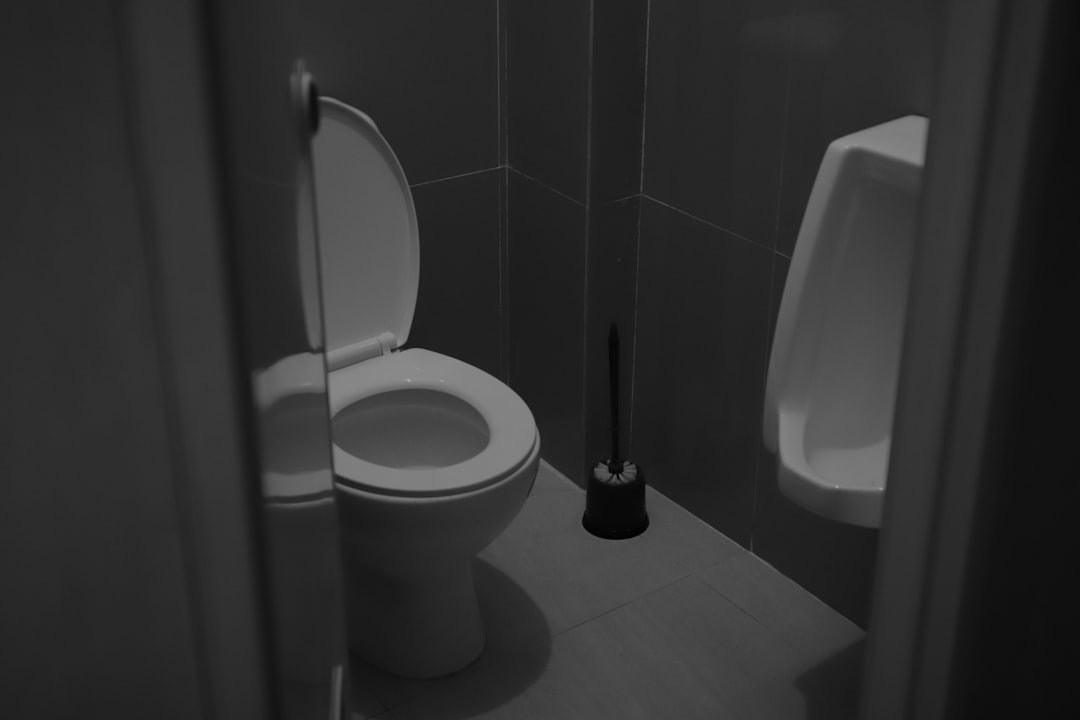
If you’ve already been flushing hair, watch for these warning signs that a blockage is forming:
- Water drains slowly from the toilet, sink, or shower
- Toilets are difficult to flush or refuse to empty completely
- Persistent smell from drains, suggesting decomposing organic matter
- Gurgling or bubbling sounds from pipes, indicating trapped air
- Water backing up into other fixtures when one is draining
If you notice any of these, call a plumber promptly. Early intervention prevents a minor blockage from becoming a full system backup.
Budget-Friendly Drain Maintenance
Prevention is genuinely the cheapest option. For under £20 total, you can outfit every sink and shower in your home with strainers and keep drain blockages from forming in the first place.
Additionally, monthly drain maintenance costs nothing and works effectively: boil a kettle of water and carefully pour it down each drain. The heat helps dissolve minor soap and grease buildup before it becomes problematic. For drains with persistent mild odours, a cup of baking soda followed by white vinegar (let it sit for 30 minutes before flushing with hot water) naturally clears organic matter without chemical damage to pipes.
Frequently Asked Questions
Can a small amount of hair hurt?
A single strand rarely causes immediate trouble, but habits develop easily. Over weeks, the odd strand combines into a problematic tangle. It’s the accumulation, not the initial quantity, that creates blockages.
Will the water company handle my hair clog?
Only if the blockage is in the public sewer main—the large pipe shared by multiple properties. Blockages within your home’s private pipework are your responsibility. You’ll be charged for the plumber visit and treatment.
Is it safer to flush hair than put it in the bin?
No. Hair in landfill is far less problematic than hair in sewage systems. It’s designed to break down eventually in landfill environments. In pipes and treatment works, it persists and causes ongoing problems.
What should I do if hair blocks my toilet?
Stop using the toilet immediately and call a plumber. Attempting to force a blockage with repeated flushing can damage the toilet trap or force sewage to back up elsewhere in your home. Professional clearing with a plunger, plumbing snake, or drain rods is the safest option.
Are drain chemical cleaners safe for hair clogs?
Chemical cleaners dissolve grease and soap but don’t break down hair’s keratin structure. They’re ineffective for hair-specific blockages and risk damaging pipes, especially older ones made from clay or cast iron. Save them for pure grease clogs, and even then, use sparingly.
Take Action Today
Flushing hair is a quick decision that creates expensive consequences. For the price of a coffee, you can install drain strainers in every shower and sink in your home. Spend ten seconds after each wash removing accumulated hair. These two habits eliminate virtually all risk of hair-related blockages.
Your future self—and your bank account—will thank you when you never have to pay a plumber £150 to clear a preventable clog. The investment in simple prevention is genuinely the smartest money you can spend on household plumbing.




Add Comment